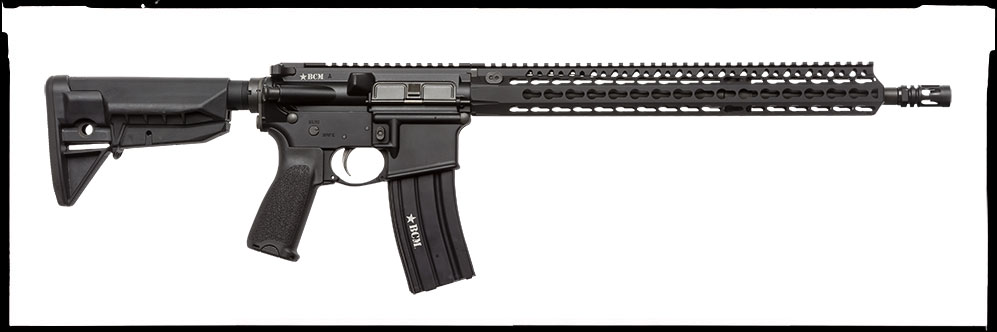
Posted on Leave a comment

Best Firearms for 2025

Buy SIG516 G3 - Handguns | Highbridge Armory

Best Firearms for 2025

The 2025 market is defined by one thing: refinement. The race for the perfect carry gun is over, and the focus has shifted to enhanced shootability and modularity. The SIG Sauer P365 FUSE Comp 9mm Pistol is a prime example, taking the proven micro-compact formula and adding a factory-integrated compensator to manage recoil without adding bulk. This isn’t about gimmicks; it’s about practical engineering that makes you faster and more accurate on follow-up shots. At Highbridgearmory, we’re seeing a clear demand for these purpose-built upgrades.

The Carry Gun Evolution: Compensated Micro-Compacts

For years, the trade-off was simple: small size meant punishing recoil. That equation changed with the widespread adoption of micro-compacts with integrated compensators. The SIG P365 FUSE Comp uses a ported barrel and slide to redirect gas upward, countering muzzle rise. The result is a pistol that shoots flatter than a standard P365XL, yet retains a concealable profile. We’ve tested it side-by-side with the P365-XMACRO Direct, and while the XMACRO offers a longer grip, the FUSE’s comp system provides a tangible advantage in muzzle control. If you’re carrying a standard micro-compact from 2020, the 2025 offerings will make you reconsider.

The Duty Pistol Standard: Optics-Ready & Reliable

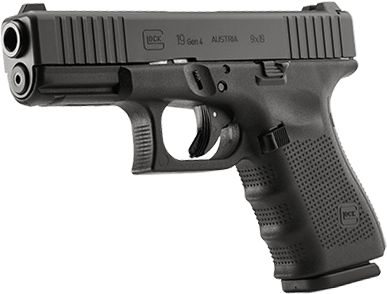
For law enforcement, security, and serious home defense, the 2025 duty pistol is defined by its optic mounting system and out-of-the-box reliability. The Springfield Armory XD Mod.4 Optics Ready 9mm Pistol exemplifies this. Its Mod.4 grip texture is aggressively checkered, providing a secure hold in all conditions, and the optics-ready slide is cut to accept a wide range of red dots without needing an adapter plate. This pistol isn’t trying to be the thinnest or lightest; it’s built to run under stress. The 4-inch barrel model offers an ideal balance of sight radius and holster compatibility, making it a top contender against staples like the GLOCK G34 GEN4 MOS.

SIG Sauer P365 FUSE Comp 9mm Pistol

The Modern Sporting Rifle: Caliber Consolidation & Control

The “do-all” rifle category is seeing a shift away from endless caliber debates towards optimized platforms for the two dominant rounds: 5.56 NATO and 6.8×51. For the 5.56 role, rifles with improved mid-length gas systems, free-float handguards, and enhanced triggers are the baseline. The real innovation is in the 6.8×51 sphere, driven by military adoption. Firearms like the Order MCX-SPEAR 6.8X51 SBR Online represent the pinnacle of this push, offering a piston-driven system designed to handle the round’s pressure while remaining relatively lightweight. For 2025, the best MSR is the one that’s either supremely refined in 5.56 or purpose-built for the higher performance of 6.8×51.

Springfield Armory XD Mod.4 Optics Ready 9mm Pistol

The High-Capacity Specialist: The 5.7x28mm Niche

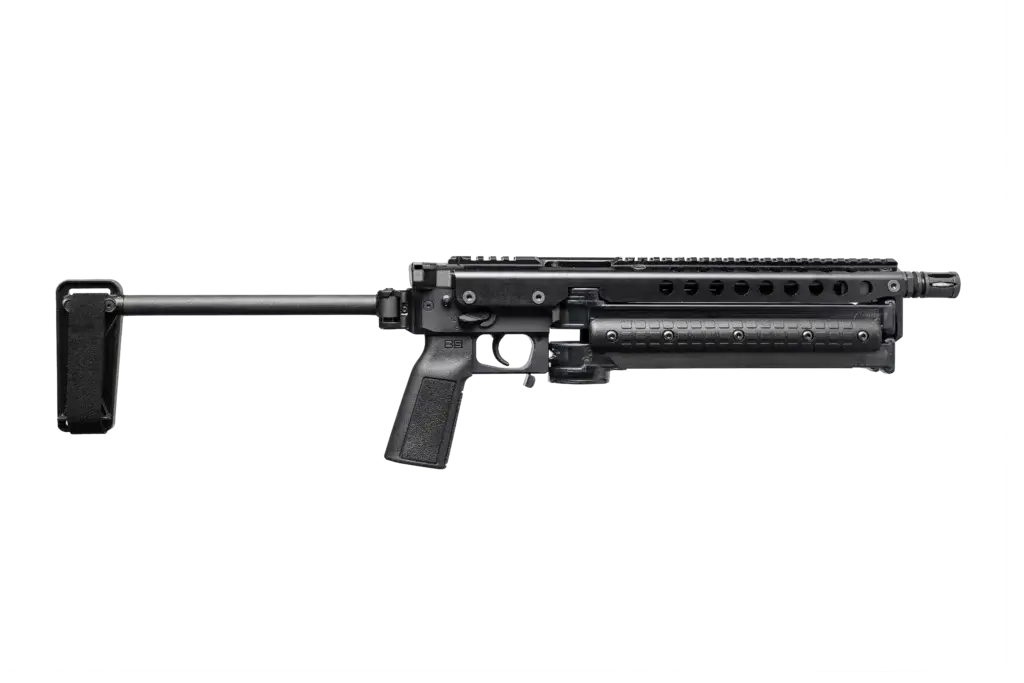
Once a novelty, the 5.7x28mm cartridge has carved a legitimate niche in 2025, thanks to platforms that finally leverage its strengths: low recoil, high velocity, and high capacity in a compact package. The KelTec KP50 5.7x28mm Pistol is a standout, accepting FN P90 magazines to offer a 50-round capacity in a bullpup-style pistol format. This isn’t a replacement for your 9mm, but as a dedicated truck, home, or recreational gun, it offers a unique combination of firepower and controllability. The flat shooting characteristics of the 5.7 round make it exceptionally easy to shoot fast and accurately, a trait that has secured its place in our Handguns collection.

KelTec KP50 5.7x28mm Pistol

Upgrades That Matter: Triggers & Controls

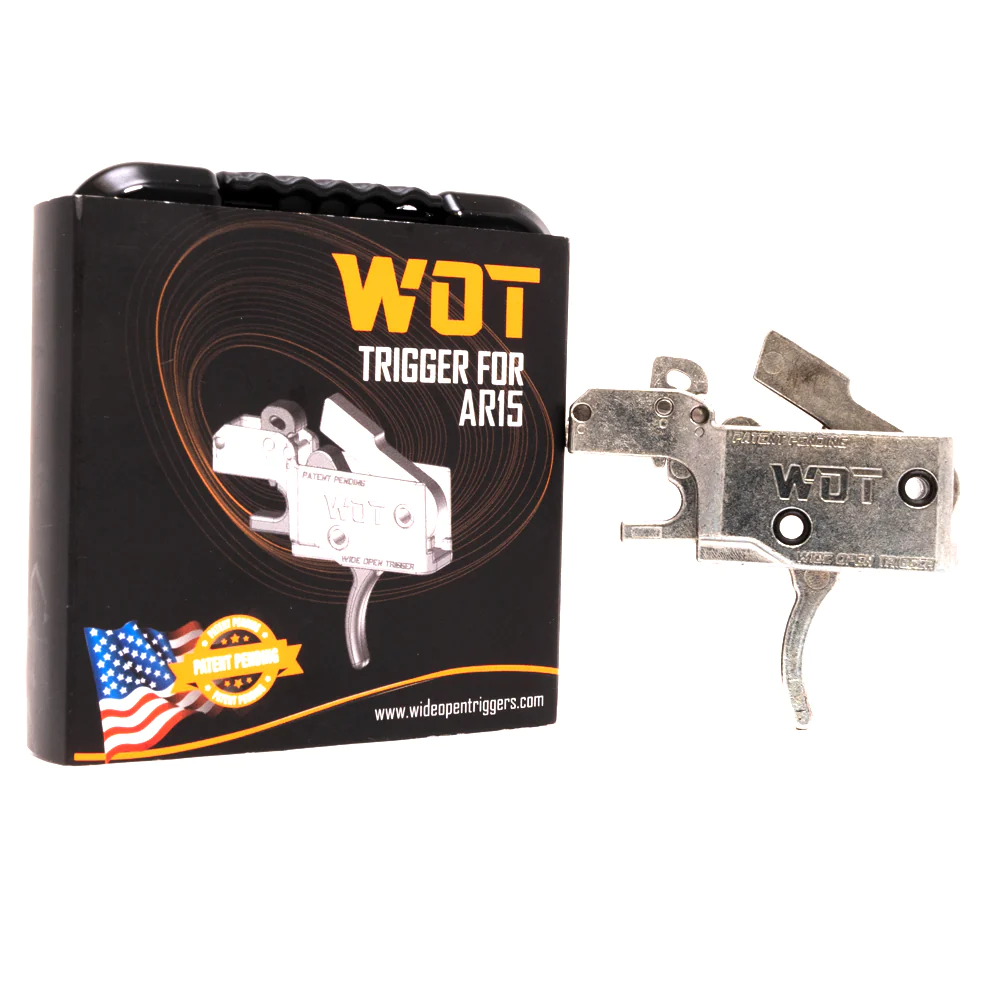
Buying the best firearm for 2025 is only half the story. The most impactful upgrade you can make is to the trigger. A quality aftermarket trigger from our Triggers collection provides a cleaner break, shorter reset, and more consistent pull weight, directly translating to better accuracy. For Glock owners, this is especially true. Beyond triggers, ensuring your firearm has metal, high-visibility sights and a weapon-mounted light are non-negotiable for a defensive tool. We advise customers to budget for these essential upgrades alongside their firearm purchase at Highbridgearmory; a $150 trigger job in a $500 pistol often yields more performance gains than buying a $1000 pistol with a mediocre factory trigger.

Is a compensated pistol like the SIG P365 FUSE Comp reliable for carry?

Yes, when designed and built by a major manufacturer like SIG Sauer. The compensator ports are machined into the barrel and slide; there are no external parts to snag or fail. We have fired hundreds of rounds of various 9mm ammunition through the FUSE Comp without a single malfunction related to the comp system. It uses the firearm’s own gas to function and requires no additional maintenance.

Is the 6.8×51 caliber worth the cost over 5.56 NATO?

That depends entirely on your use case. For long-range shooting (600+ yards) or hunting medium to large game, the 6.8×51’s superior ballistics and energy are significant. For most recreational shooting, home defense, or training within 300 yards, 5.56 NATO remains more affordable and readily available. The MCX-SPEAR in 6.8×51 is a premium, specialized tool, not a general replacement for the AR-15.

What is the main advantage of the 5.7x28mm cartridge?

Its primary advantages are exceptionally low recoil impulse and high magazine capacity in a compact form factor. This allows for very fast, accurate follow-up shots. The 5.7x28mm round also offers better armor-penetration capability than most handgun rounds, though that is a secondary consideration for most civilian users. Its downside is cost per round, which is higher than 9mm.

Browse our firearms collection

Last updated: March 27, 2026

Posted on Leave a comment

How to Weapon Inspect in Rainbow Six Siege

Order 04 Glock Switch: Gold color Online - Glock Switches | Highbridge Armory

How to Weapon Inspect in Rainbow Six Siege

You’re holding a pixel-perfect replica of a SIG MPX, but you can’t see the custom cerakote job you paid for. That’s the frustration for many Rainbow Six Siege players who don’t know the weapon inspect command. It’s a simple keybind that lets you admire your weapon skins and charms, and it’s been in the game since Operation Grim Sky. Here’s the definitive, platform-by-platform breakdown.

The Default Keybind and Its Purpose

On a standard PC keyboard, the default key to inspect your weapon in Rainbow Six Siege is the middle mouse button (mouse wheel click). This isn’t just a cosmetic flourish; it’s a critical tool for checking your equipped weapon skin, charm, and attachment models in first-person view. Unlike a real-world function check on an AR-15 platform, this is purely visual. The animation cycles through a unique sequence for each weapon class—assault rifles get a different inspect motion than shotguns or handguns. If your mouse wheel click is unresponsive or bound to another function, you’ll need to remap it in the game’s controls menu under the “Combat” section.

Remapping the Inspect Key on PC

To change the keybind, open the Options menu, navigate to Controls, and select the “Keyboard” tab. Scroll down the “Combat” list until you find “Inspect Weapon.” Click on the current keybind (default Middle Mouse Button) and press your desired key. Popular alternatives include the ‘I’ key, ‘X’, or a side mouse button. I recommend a bind that doesn’t interfere with critical actions like leaning or gadget deployment. Remember, this is a non-essential action, so don’t sacrifice tactical responsiveness. Once set, test it in a Terrorist Hunt or the Shooting Range to ensure it works with your primary, secondary, and any unique operator gadgets that function as weapons.

Bravo Company MFG RECCE-16 KMR-A Rifle

Console Controls: PlayStation 5

On PlayStation 5, the default input for weapon inspect is a double-tap of the Touchpad. You must press the center of the pad twice in quick succession. It’s a finicky input that many players miss, often bringing up the scoreboard instead. The timing is key—too slow, and it registers as two separate scoreboard clicks. There is no native option to remap this to a standard button within Siege’s settings. Your workaround is to use the PlayStation’s system-level Accessibility settings to create custom button assignments, but this will affect all inputs globally. For a more tactile experience, handling a real M4-style lower receiver from Highbridgearmory is far more straightforward.

FDE AR-15 Complete Rifle Flat Dark Earth

Console Controls: Xbox Series X|S

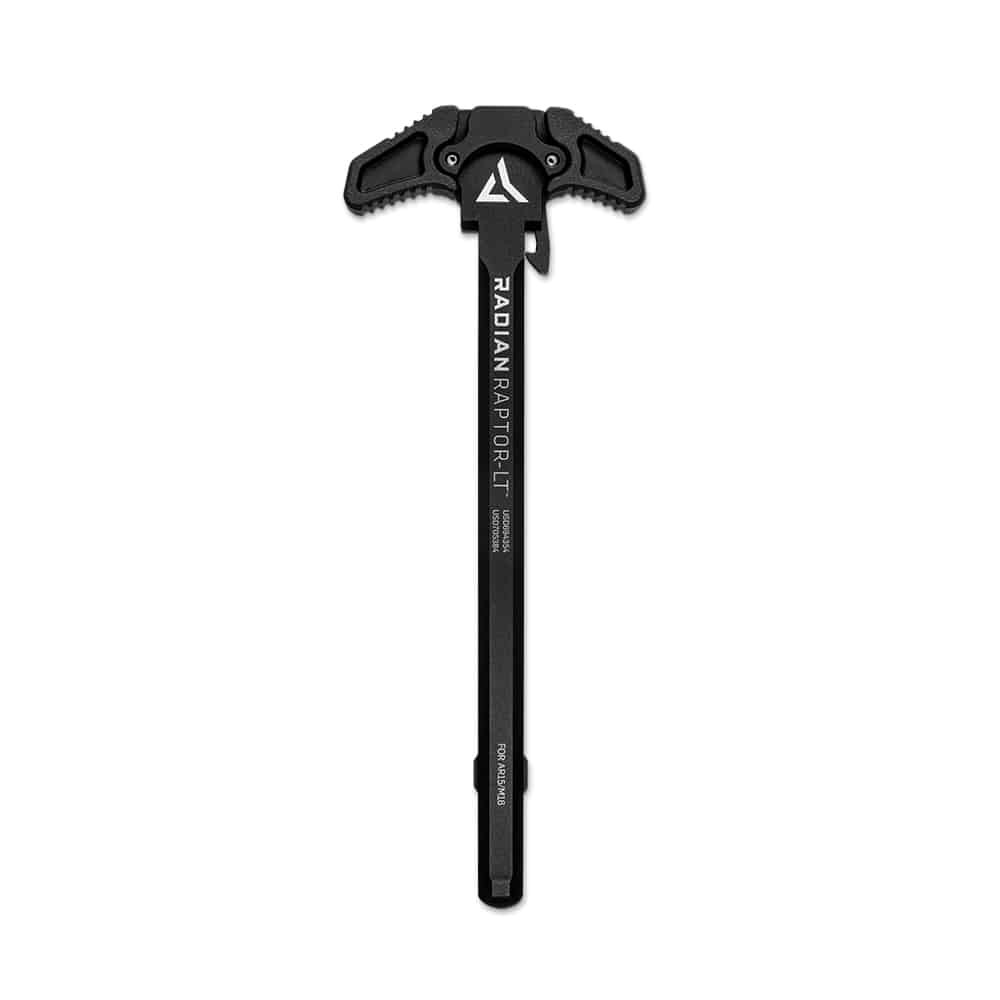
For Xbox Series X and S controllers, the command is a double-tap of the View Button (the small left button formerly known as “Back”). Like on PlayStation, the double-tap must be deliberate and rapid. This is a non-configurable bind within the game itself. If you find it unreliable, your only option is the Xbox Accessories app to remap the View Button to another input, which again changes functionality for all games. It’s a stark contrast to the positive, single-action click of a real Radian Raptor charging handle. While you’re inspecting virtual guns, remember Highbridgearmory stocks the actual components that make these iconic firearms function.

Why the Inspect Function Matters

Beyond showing off your Black Ice skin, the inspect animation serves a subtle practical purpose. It confirms your currently equipped weapon and its attached gear without opening a menu, which can be crucial in a tight round. The animation time is also a fixed duration, meaning you are committed to the action—you cannot fire, sprint, or ADS during the inspect cycle. This makes it a terrible idea to use during active combat, similar to how you’d never perform a detailed field strip on a P365 while under fire. Use it during prep phases, when holding a secure angle, or post-round. It’s a feature built for appreciation, not application.

Radian Raptor LT Ambidextrous Charging Handle

Frequently Asked Questions

How to weapon inspect R6 Xbox?

On Xbox Series X|S and Xbox One, double-tap the View Button (the small button on the left side of the controller, with two overlapping squares). The taps must be quick and consecutive. This binding cannot be changed within Rainbow Six Siege’s own settings menu.

How to weapon inspect R6 PS5?

On PlayStation 5, the command is a double-tap of the Touchpad. Press the center of the pad twice in rapid succession. It’s a sensitive input; pressing too slowly will just bring up the scoreboard twice instead of triggering the weapon inspection animation.

How to weapon inspect R6?

The universal answer depends on your platform. On PC, it’s the Middle Mouse Button by default. On Xbox, double-tap the View Button. On PlayStation, double-tap the Touchpad. The function is purely visual and locks you into a short animation cycle.

Browse our firearms collection

Last updated: April 05, 2026

Posted on Leave a comment

Firearms Guide PDF: The Real Deal

CZ P-10 F Competition Ready 2026 9mm - Uncategorized | Highbridge Armory

Firearms Guide PDF: The Real Deal

You just bought a new Bravo Company MFG RECCE-16 KMR-A Rifle. The box is on your bench, but the manufacturer’s manual is a single sheet covering three models. You need torque specs for the barrel nut, the exact gas system length, and the recommended lubrication points. This is where a proper, detailed firearms guide PDF becomes an essential tool, not a marketing brochure.

What a Quality Firearms Guide PDF Actually Contains

A real guide is a technical document. It starts with complete, exploded-view diagrams with every part numbered, from the firing pin retaining pin (Part #FP-12) to the buffer retainer spring. You’ll find step-by-step disassembly and reassembly procedures that go beyond field-stripping, covering tasks like replacing a barrel on an AR-15 platform or detail-stripping a SIG Sauer P365 FCU. Crucially, it lists specific torque values: 35-40 ft-lbs for a barrel nut, 15-20 in-lbs for optic mount screws. It details headspace gauges needed, recommended ammunition pressures, and clear warnings against common aftermarket modifications that void the warranty. This isn’t generic advice; it’s the blueprint for your specific firearm.

Why Digital Guides Trump Paper Manuals

The paper manual that ships with your firearm is often outdated before it’s printed. A digital PDF guide from a reputable source like the manufacturer or a trusted technical publisher can be updated. When a service bulletin is issued for a new recoil spring in the KelTec KP50, the PDF can be revised. You can search it instantly for “extractor spring” instead of flipping pages. You can zoom in on high-resolution diagrams on a tablet right next to your work mat. At Highbridgearmory, we ensure our product pages often link directly to the latest official manuals and tech sheets, because we know our customers rely on accurate data for maintenance and upgrades.

FDE AR-15 Complete Rifle Flat Dark Earth

Finding Reliable Guides for Modern Firearms

Your first stop should always be the manufacturer’s website. Look for a “Support,” “Manuals,” or “Resources” section. For something like a Sons of Liberty Gun Works M4-EXO2 Complete Lower, SOLGW provides detailed build guides. For aftermarket parts, the part maker’s site is key. Installing a Radian Raptor LT is simple, but their guide shows the proper orientation of the springs. For legacy or military firearms, publishers like FMG Publications offer professionally produced, exhaustive PDF manuals. Avoid random forum downloads; they’re often scans of poor quality or contain user modifications that are unsafe.

Bravo Company MFG RECCE-16 KMR-A Rifle

Using a Guide for Custom Builds and Troubleshooting

This is where a PDF guide pays for itself ten times over. Building a custom AR-15? Cross-reference the upper receiver guide with the lower receiver guide. The trigger installation section in your lower’s PDF will show the precise order for installing the hammer, disconnector, and springs. When you encounter a failure to eject, the troubleshooting flowchart in a good guide will walk you through checking gas key staking, gas block alignment, and buffer weight—in that order. It turns guesswork into a diagnostic procedure. We see customers at Highbridgearmory who use these guides to confidently assemble parts from our rifles collection into reliable, high-performance firearms.

Radian Raptor LT Ambidextrous Charging Handle

Legal and Safety Information in Official Guides

Never overlook the first 10 pages of an official manual. This is where the manufacturer states the firearm’s designed calibers—like warning that a .300 Blackout round must never be chambered in a 5.56 NATO barrel. It contains the exact safety mechanism operation and warnings about drop-test results. For items in categories like our Glock Switches collection, the included guide is critical for understanding proper installation and legal compliance. This section also holds the official warranty terms and the serial number location, which you’ll need for any service requests. It’s the legally recognized document that defines correct use.

Where can I find the manual for a firearm I bought used?

Always start with the manufacturer’s website. Most, like SIG Sauer or Smith & Wesson, have a searchable database by model number. If it’s a discontinued model, try reputable third-party archival sites like PDFManual.com or the publisher FMG. Avoid generic “AR-15 manual.pdf” files; you need the specific guide for your make and generation.

Are YouTube videos a good substitute for a PDF guide?

Videos are excellent visual aids, but they are not a substitute. A video may skip a critical torque spec or use a different tool. The PDF is your static, searchable, authoritative reference. Use videos to see the process in motion, but perform the work with the official guide open. The guide has the legally recognized procedures and specifications.

My PDF guide lists a specific lubricant. Do I have to use that exact brand?

Not necessarily, but you must use a product with the same specifications. If it calls for a “synthetic grease with high copper content for anti-seize,” any quality grease meeting that spec will work. If it simply says “use gun oil,” a wide range of CLP-type products are suitable. The guide is specifying a performance requirement, not always a brand mandate, unless explicitly stated for warranty.

Browse our firearms collection

Last updated: April 05, 2026

Posted on Leave a comment

Firearm Safety Certificate: Your First Step

Shop P365-FUSE TACOPS ROMEO-X SIG-LOC - Handguns | Highbridge Armory

Firearm Safety Certificate: Your First Step

In California, you cannot legally purchase a firearm without a valid Firearm Safety Certificate (FSC). This isn’t a suggestion; it’s a hard requirement enforced at the point of sale. The FSC proves you’ve demonstrated basic knowledge of safe handling, storage, and state laws. Think of it as your learner’s permit for responsible gun ownership, and it’s the first thing you’ll need before you even consider a SIG Sauer P365 or a BCM RECCE-16 from our inventory at Highbridgearmory.

What the FSC Test Actually Covers

The FSC test is a 30-question, multiple-choice exam administered by a DOJ-certified instructor. You need a score of at least 75% (23 correct answers) to pass. The questions are pulled from a 150-question study guide published by the California DOJ. Topics are non-negotiable: the four fundamental rules of firearm safety, safe storage requirements to prevent child access, the legal implications of firearm use, and basic operation of revolvers and semi-automatic pistols. You won’t be asked to field-strip a Glock, but you will need to know the difference between a single-action and double-action trigger pull. It’s foundational knowledge. If you’re looking at a handgun, understanding these mechanical differences is critical for safe operation.

How and Where to Take the FSC Test

You take the test in person at any DOJ-certified firearm dealer. This includes most gun stores and shooting ranges. You’ll need to provide a valid government-issued photo ID, like a California driver’s license, and pay a $25 fee. The test is closed-book and proctored. The dealer will provide the test materials. If you fail, you can retake it, but there’s a mandatory 24-hour waiting period and another $25 fee. I always advise candidates to download the official study guide from the CA DOJ website and memorize it. Once you pass, the dealer issues your FSC card on the spot. That card is your ticket to proceed with a purchase, whether it’s a KelTec KP50 or a SOLGW lower receiver.

Bravo Company MFG RECCE-16 KMR-A Rifle

Beyond the Card: Applying Safety to Real Gear

Passing the FSC is the legal minimum. Real safety is applied knowledge. For instance, the test covers safe storage. That means using a DOJ-approved safety device, like a cable lock, which we include with every firearm shipped from Highbridgearmory. It also means understanding that a safe direction isn’t just downrange at a formal range; it’s muzzle awareness when you’re handling a rifle at home. When you install a new Radian Raptor charging handle or a precision trigger, you must verify the firearm is completely unloaded first—a rule the FSC hammers home. This mindset is what separates a certificate holder from a responsible owner.

FDE AR-15 Complete Rifle Flat Dark Earth

Validity, Renewal, and Long-Term Responsibility

Your FSC is valid for five years from the date of issue. To renew it in California, you must retake and pass the exact same test. There is no “refresher course” shortcut. Mark your calendar; letting it lapse will halt any firearm purchase. The renewal process is identical to the initial test: find a certified dealer, bring your ID, pay the $25, and pass. This system is designed to ensure your knowledge stays current with the law. Responsible ownership is a continuous commitment, from securing your first FSC to properly maintaining your collection, whether it’s a single pistol or an entire rifle collection.

Radian Raptor LT Ambidextrous Charging Handle

Frequently Asked Questions (FAQ)

What is a Firearm Safety Certificate (FSC)?

The Firearm Safety Certificate is a mandatory credential in California, required to purchase or receive a firearm. It’s issued after passing a 30-question test that covers state laws, safe handling, storage, and firearm fundamentals. You must present the physical card to a licensed dealer to complete any firearm transaction.

How do I get a Firearm Safety Certificate?

Visit any California DOJ-certified firearm dealer, such as a gun store or shooting range. Provide a valid photo ID, pay the $25 fee, and pass the proctored test with a score of 75% or higher. Study using the official 150-question study guide available on the CA DOJ website before you go.

How do I renew my Firearm Safety Certificate in California?

You renew your FSC by retaking and passing the standard test before your current card expires (after 5 years). The process is identical to getting it the first time: find a certified dealer, bring ID, pay $25, and pass. There is no online renewal or alternative option.

Browse our firearms collection

Last updated: April 05, 2026

Posted on Leave a comment

Firearms Dungeon Master Guide

Manufacturer For Sale - Hunting Rifles | Highbridge Armory

Firearms Dungeon Master Guide

Building a reliable firearm is like crafting a character sheet for a high-stakes campaign. Every component, from the trigger to the barrel, is a stat that determines performance. This guide cuts through the noise with direct advice on selecting parts and building a system that functions flawlessly under pressure, based on real-world assembly and testing.

Core Philosophy: Reliability Over Rarity

Your first decision isn’t which color to anodize your lower. It’s defining the rifle’s purpose. A home defense carbine has different requirements than a precision SPR or a 3-Gun competition rifle. For a general-purpose fighting rifle, prioritize proven mil-spec dimensions and materials. A phosphate-coated, chrome-lined barrel like those from FN or Colt will outlast a stainless “match” barrel in sustained fire. A properly staked gas key and castle nut are non-negotiable for longevity. At Highbridgearmory, we vet our complete uppers and rifles, like the Bravo Company MFG RECCE-16, to these standards so you don’t have to guess.

The Lower Receiver: Your Character Sheet

Think of the lower as your foundation. A forged 7075-T6 aluminum lower from an OEM like Anderson or Aero Precision is more than sufficient. The magic is in the parts kit and assembly. A quality lower parts kit from SOLGW or CMMG, paired with a proper mil-spec trigger, creates a predictable, durable fire control group. For the buffer system, an H1 or H2 buffer with a carbine spring is the starting point for a 16″ mid-length gas system. If you’re building, the Sons of Liberty Gun Works M4-EXO2 Complete Lower is a turn-key solution with all critical components properly installed and torqued.

FDE AR-15 Complete Rifle Flat Dark Earth

The Upper Receiver & Barrel: Your Primary Weapon

This is where accuracy and reliability are forged. Barrel length and gas system length must be matched. A 16″ barrel with a mid-length gas system is the sweet spot for reduced recoil and parts wear. For the gas block, a low-profile steel block pinned to the barrel is ideal, but a quality clamp-on like those from Superlative Arms works well when installed with a torque wrench. Handguard choice is about mounting real estate and weight; a free-float M-LOK rail from Midwest Industries or BCM offers modern flexibility. Always use a vise block and armorers wrench to achieve proper barrel nut torque, which is critical for zero retention.

Bravo Company MFG RECCE-16 KMR-A Rifle

Critical Support Gear: Optics, Lights, & Slings

A rifle isn’t complete without its supporting gear. For optics, decide between a red dot for speed or an LPVO for versatility. Aimpoint PRO and Sig Sauer Romeo5 are bombproof entry points for red dots. Mount them on a quality cantilever mount from LaRue or American Defense Manufacturing. A weapon light is mandatory for positive identification. The Streamlight Protac HL-X offers 1000 lumens at a palatable price. Finally, a two-point sling from Blue Force Gear or Vickers is essential for weapon retention and transitions. These aren’t accessories; they’re force multipliers.

Radian Raptor LT Ambidextrous Charging Handle

Pistols & Modern Sporting Carbines

The same principles apply to your sidearm and other platforms. A modern striker-fired pistol like the SIG Sauer P365 FUSE Comp is a system. Reliability comes from using quality ammunition and maintaining the firearm, not from endlessly swapping connectors. For newer platforms like the 5.7x28mm, understanding the unique ammunition characteristics is key. A platform like the KelTec KP50 demands specific knowledge about its blowback operation and magazine loading. Always source critical components like triggers or slide parts from reputable suppliers to maintain function.

FAQ

Is the Dungeon Master’s Guide worth it?

Absolutely. For anyone building or customizing an AR-15, understanding the interplay between gas system length, buffer weight, and barrel length is critical to diagnosing malfunctions and tuning performance. This foundational knowledge saves money on unnecessary parts and builds confidence in your equipment’s reliability.

What’s the most common build mistake?

Incorrect gas block alignment is the top cause of short-stroking or excessive recoil. The port on the block must be perfectly centered over the barrel’s gas port. Using a dimpling jig or having a professional pin the block is the best solution for a permanent fix.

Should I build or buy my first rifle?

Buy a complete, quality rifle from a known manufacturer like BCM, SOLGW, or Daniel Defense. This gives you a known-reliable baseline. Then, as you train and identify personal preferences, you can upgrade components like the charging handle, trigger, or stock with confidence, using parts from our full catalog.

What’s one upgrade with the biggest impact?

After a weapon light and sling, a quality two-stage trigger from Geissele or LaRue dramatically improves shot control and precision. It’s a tangible upgrade over a standard mil-spec trigger that directly translates to better performance on target.

Browse our firearms collection

Last updated: April 05, 2026

Posted on Leave a comment

Firearms Training: A No-Nonsense Guide

Order 04 Glock Switch: Gold color Online - Glock Switches | Highbridge Armory

Firearms Training: A No-Nonsense Guide

You’ve just cleared a malfunction on the clock. Your hands are moving, but your mind is quiet. That’s the difference between someone who owns a gun and someone who can use one. This isn’t about collecting gear; it’s about building reliable, unconscious competence. Let’s talk about how to get there.

1. The Foundation: Safety and Dry Fire

Before you ever touch live ammunition, you must own the four cardinal rules of firearm safety. They are non-negotiable. Treat every gun as if it is loaded. Never point the muzzle at anything you are not willing to destroy. Keep your finger off the trigger until your sights are on target. Be sure of your target and what is beyond it. Drilling these into your subconscious is job one. The most effective tool for this is dry fire. With an absolutely verified clear weapon, practice presentation, sight alignment, trigger press, and reloads daily. A tool like a SIG Sauer P365 FUSE Comp is excellent for this due to its consistent striker system. Invest in snap caps. This foundational work builds the neural pathways for everything that follows, and it costs nothing but time and focus.

2. Choosing Your Training Platform

Your firearm is a tool, and you must select the right one for the job. For a defensive rifle, reliability is paramount. A quality AR-15 like the BCM RECCE-16 offers a proven gas system and barrel for sustained fire. For a handgun, consider a proven striker-fired 9mm. The platform should fit your hand and allow for a natural point of aim. Don’t get lost in customizing a range toy; start with a robust, factory-built system from a reputable manufacturer. At Highbridgearmory, we stock platforms from BCM, SOLGW, and SIG that are built for this purpose. Accessories come later. First, master the iron sights and basic manual of arms on a rifle or pistol you can trust implicitly.

FDE AR-15 Complete Rifle Flat Dark Earth

3. Live Fire Fundamentals: Accuracy Under Pressure

Now you move to the range. Start slow. The goal is a perfect shot, not a fast one. Work from a ready position at 3-5 yards. Focus on a smooth, straight-back trigger press to a surprise break without disturbing the sight picture. This is where you confirm what you built in dry fire. Use a standard B-8 repair center target. Your goal should be a single, ragged hole. Once you can consistently place 10 rounds inside a 3-inch circle, introduce a shot timer or a simple par time on your phone. The beep induces stress. Start with a generous par time, like 3 seconds for a single shot, and gradually reduce it as your accuracy holds. This is where a quality trigger, like those in our triggers collection, can provide a cleaner, more predictable break, but the fundamentals must come first.

Bravo Company MFG RECCE-16 KMR-A Rifle

4. Building Speed and Handling Malfunctions

Speed is a byproduct of efficiency, not haste. Drills like the “Dot Torture” or the “El Presidente” test your ability to combine accuracy, multiple targets, reloads, and time. Set a baseline, then work to improve it by shaving tenths of a second through smoother motion. Simultaneously, you must train for failure. Have a training partner randomly induce malfunctions using dummy rounds. Practice immediate action (Tap-Rack-Bang) and remedial action (more extensive clearance drills) until they are automatic. An ambidextrous charging handle like the Radian Raptor LT can make these manipulations faster and more positive from either side. This phase is about hardening your skills against the reality of a mechanical device under stress.

5. Advanced Skills and Force-on-Force

Once you have a solid grasp of the square range, it’s time to introduce movement and decision-making. This is where professional instruction is critical. Seek out a vetted course that teaches shooting on the move, use of cover, and low-light techniques. The final, most humbling layer is force-on-force training using Simunitions or airsoft. This introduces the psychological stress of an opponent shooting back, exposing flaws in your tactics and weapon handling that static training cannot. Your gear should be fully vetted by this point; a complete lower from a builder like Sons of Liberty Gun Works ensures your rifle’s core is reliable under these dynamic conditions. This isn’t play; it’s the closest you can get to real-world pressure in a training environment.

Radian Raptor LT Ambidextrous Charging Handle

Frequently Asked Questions

How long does firearm training take?

There is no finish line. Basic safety and competency with a specific platform can be achieved in a focused 8-16 hour course. True proficiency, where skills are reliable under stress, requires consistent practice over hundreds of hours. Maintenance training, like dry fire several times a week and live fire monthly, is a lifelong commitment for a responsible owner.

Does a firearms training certificate expire?

Typically, yes. Most formal course certificates do not have a government-mandated expiration, but reputable instructors and organizations often recommend re-certification every 2-4 years. Skills degrade without practice. For legal purposes, like a concealed carry permit, your state may require a certificate from within a specific timeframe, often 1-3 years prior to application.

Browse our firearms collection

Last updated: April 05, 2026

Posted on Leave a comment

Firearms Guide Flash Drive: The Digital Armorer’s Kit

Real 1911-X STAINLESS - Handguns | Highbridge Armory

Firearms Guide Flash Drive: The Digital Armorer’s Kit

You’re at the bench, assembling a new upper, and you hit a snag with the barrel nut torque specs. Instead of digging through a dozen bookmarked forums, you plug in a dedicated flash drive and pull up the exact manufacturer’s technical data sheet in seconds. This is the practical reality of a firearms guide flash drive—a consolidated, portable library of critical knowledge.

What a Firearms Guide Flash Drive Actually Contains

Forget vague promises of “information.” A properly built guide drive contains specific, actionable data. This includes complete PDF manuals for platforms like the AR-15, Glock Gen 1-5, and SIG P320 series. You’ll find armorers manuals for military specs like TM 9-1005-319-23&P for the M4. Crucially, it houses technical drawings with part numbers, torque specification charts for barrel nuts, buffer tubes, and scope mounts, and SAAMI pressure charts for cartridges like 5.56 NATO and 9mm Luger. It’s a first-party reference library, not a collection of blog posts. When you source parts from Highbridgearmory, having these factory guides on hand ensures you install that Radian Raptor LT or torque your barrel nut to the correct inch-pounds.

Building Your Own vs. Pre-Loaded Drives

You have two paths: curate it yourself or buy a pre-loaded unit. Building your own is free but time-intensive. You’ll need to legally source manuals from manufacturer websites, organize them logically (e.g., /Manuals/Rifles/BCM/), and ensure you have the latest versions. Pre-loaded drives from reputable vendors offer convenience and often include hard-to-find military technical manuals. The downside is cost, typically $50-$150, and you must vet the seller’s credibility—some drives are packed with outdated or pirated material. For the builder working on a Sons of Liberty Gun Works M4-EXO2 Complete Lower, having the correct SOLGW wrench specs on the drive is worth the effort either way.

FDE AR-15 Complete Rifle Flat Dark Earth

Essential Digital Documents for Every Owner

Regardless of your firearm, certain documents are non-negotiable. Start with the specific owner’s manual for every gun you own—download it from the maker’s site. Add the NRA’s “Firearms Owner’s Guide” for fundamental safety and handling. Include your state’s specific firearms statutes in PDF form. A detailed, photographed inventory of your own collection with serial numbers should be stored here as well, separate from cloud services. For modern pistols like the SIG Sauer P365 FUSE Comp, having the manual and armorers guide on hand is crucial for understanding its unique FCU and comp system.

Bravo Company MFG RECCE-16 KMR-A Rifle

Operational Security and Physical Storage

This drive contains sensitive data. Treat it like a spare key to your safe. Use hardware-encrypted USB drives from brands like Kingston or SanDisk with AES 256-bit encryption. Never label the drive obviously; use an innocuous label. Store it physically in a location separate from your firearms, such as a safe deposit box or a hidden home safe. Maintain two encrypted copies: one primary and one backup stored off-site. Update the contents bi-annually, especially after purchasing new firearms or parts from your trusted sources. When you buy a specialized firearm like the KelTec KP50 from Highbridgearmory, immediately add its manual to your drive and backup.

Radian Raptor LT Ambidextrous Charging Handle

Integrating the Drive into Your Maintenance Routine

This tool shines during scheduled maintenance. Before you detail-strip your Glock, pull up the armorers manual for your specific generation. When installing a new trigger from our collection, have the installation guide and torque specs open. The drive should also contain a standardized cleaning checklist for each firearm type. For AR-15 platforms, include the M16A2 FM 3-22.9 manual for fundamental drills and function checks. Make consulting the drive the first step in any gunsmithing project, ensuring you never rely on memory for critical tolerances or procedures.

Frequently Asked Questions

How to check firearm license online?

There is no single national online license check. You must contact the issuing authority for your specific license type. For an FFL, use the ATF’s FFL eZ Check system on their website. For a state-issued concealed carry permit, you must check with your state’s law enforcement or permitting agency directly through their official portal.

How should a firearm be stored?

Firearms should be stored unloaded in a locked container, like a sturdy safe or lockbox, separate from ammunition. Use a cable lock or trigger lock in addition for layered security. The storage location should be dry, temperature-controlled, and inaccessible to unauthorized persons, especially children.

Browse our firearms collection

Last updated: April 05, 2026

Posted on Leave a comment

Best Firearms: Expert Picks for 2026

WOT Trigger - Best Price - Triggers | Highbridge Armory

Best Firearms: Expert Picks for 2026

Choosing the “best” firearm is a question with a dozen answers, each dependent on the shooter’s specific need. The right tool for concealed carry is wrong for home defense, and a competition pistol fails as a hunting rifle. Based on hands-on testing and customer feedback at Highbridgearmory, here are the definitive picks across key categories for reliability, innovation, and performance.

The Modern Concealed Carry Champion: Micro-Compact 9mms

The market for daily-carry pistols has been dominated by the micro-compact 9mm since the SIG Sauer P365 redefined the category. The current benchmark isn’t just about size; it’s about capacity, shootability, and modularity. The SIG Sauer P365 FUSE Comp 9mm Pistol exemplifies this evolution. It integrates a compensator directly into the slide, reducing muzzle flip by an estimated 30% compared to a standard P365, while maintaining a concealable profile. The 12+1 or 17+1 round capacity with an extended magazine is a game-changer. For a flatter-shooting, optics-ready option, the P365-XMACRO Direct is another top contender. These pistols have made single-stack 9mms largely obsolete for serious carry.

Defining Duty & Home Defense: Full-Size 9mm Pistols

When concealment is not the primary concern, a full-size 9mm pistol offers superior control, capacity, and accessory mounting. The GLOCK 17 Gen5 remains the global standard for reliability, but the Springfield Armory XD Mod.4 Optics Ready 9mm Pistol brings significant ergonomic and feature upgrades to the duty-ready market. Its Mod.4 grip texture is aggressively checkered for positive retention, and the optics-ready slide comes milled from the factory. The loaded chamber indicator and grip safety are tangible benefits for home defense where stress and low-light conditions are factors. For those focused on accuracy, the GLOCK G34 GEN4 MOS with its long slide is a proven competition and tactical choice. You can explore our full Handguns collection for more options.

SIG Sauer P365 FUSE Comp 9mm Pistol

The Next-Gen PDW & Range Toy: 5.7x28mm Platforms

The 5.7x28mm cartridge, once exclusive to the FN P90 and Five-seveN, has exploded in popularity due to new, more affordable platforms. This round offers low recoil, high velocity, and impressive armor-penetration capabilities from a small package. The KelTec KP50 5.7x28mm Pistol is a standout for its unique horizontal 50-round magazine and bullpup-style design, making it a formidable and fun option for the range or as a compact truck gun. It’s lightweight, points naturally, and delivers a high volume of fire with minimal muzzle climb. While ammunition cost is higher than 9mm, the performance is in a different league. This category proves that “best” can also mean the most innovative and ballistically interesting.

Springfield Armory XD Mod.4 Optics Ready 9mm Pistol

The Ultimate Modern Sporting Rifle: Beyond the AR-15

While the AR-15 platform is supremely capable and customizable, the next generation of multi-caliber, adaptive rifle systems has arrived. The SIG Sauer MCX-SPEAR, particularly in its 6.8×51 SBR configuration, represents a leap forward. Designed initially for the U.S. Army’s NGSW program, it features a short-stroke piston system that runs cleaner and cooler than direct impingement, a folding/telescoping stock, and a quick-change barrel system. The 6.8x51mm round delivers far greater energy downrange than 5.56 NATO, making it effective at extended ranges. For most users, a 5.56mm MCX Virtus or similar is more practical, but the SPEAR defines the cutting edge of semi-auto rifle technology available to civilians. Check our Rifles collection for a full spectrum of modern sporting rifles.

KelTec KP50 5.7x28mm Pistol

Critical Upgrades: Triggers & Controls

The best firearm can be made better with a quality aftermarket trigger. A crisp, consistent break directly improves accuracy and shooter confidence. For GLOCK platforms, a drop-in trigger kit from a reputable maker like Apex Tactical or Timney can reduce pull weight to a consistent 3.5-4.5 lbs and eliminate the stock “mushy” feel. For the SIG P320/P365 series, the Triggers collection at Highbridgearmory includes options that enhance the already good factory trigger. Remember, a trigger job is not about creating a “hair trigger” for carry guns; it’s about predictability and reset. Similarly, ensuring you have the right sights—whether high-visibility night sights or a red dot optic—is a non-negotiable upgrade for any defensive firearm.

Is a 9mm still the best caliber for a first-time handgun owner?

Yes, unequivocally. 9mm Luger offers the best balance of manageable recoil, low ammunition cost, high magazine capacity, and proven defensive effectiveness. Modern 9mm defensive hollow points from brands like Federal HST, Speer Gold Dot, and Hornady Critical Duty are extremely reliable. While .380 ACP is softer shooting, it’s more expensive and less effective. Larger calibers like .40 S&W and .45 ACP increase cost and recoil without providing a decisive real-world advantage for new shooters.

What’s more important for home defense: a handgun or a rifle?

A rifle, specifically an AR-15 in 5.56mm, is superior for home defense. It is easier to shoot accurately under stress due to a third point of contact (the stock), has lower over-penetration risk with the right ammunition (frangible or lightweight varmint rounds), and offers greater terminal effectiveness. A handgun is a tool to fight your way to your rifle. If you can only have one, the rifle is the more effective tool for defending a fixed position. We stock a variety of home-defense-ready options in our Rifles collection.

How often should I practice with my carry gun?

Dry fire practice should be done for 10-15 minutes, 3-4 times per week. This builds muscle memory for your draw, sight alignment, and trigger press without cost. Live-fire practice is critical. A minimum standard is 50-100 rounds per month to maintain proficiency. You should practice your first shot from concealment, reloads, and shooting at realistic distances (3-7 yards). Annually, fire at least 500 rounds through your primary carry gun to verify its reliability and your skill retention. Ammunition is a consumable; consider it a necessary part of your defensive budget.

Browse our firearms collection

Last updated: March 27, 2026

Posted on Leave a comment

Precision Guided Firearms: Beyond the Hype

Order P320-AXG COMBAT Online - Handguns | Highbridge Armory

Precision Guided Firearms: Beyond the Hype

The first time you see a 6.5 Creedmoor round impact a 12-inch steel plate at 1,200 yards, you understand that modern precision is less about luck and more about a calculated system. That system is built on a foundation of purpose-built components, from the barrel’s rifling to the trigger’s break, all working in concert to shrink your group size. This is the reality of precision guided firearms—not science fiction, but the meticulous application of engineering and technique.

The Core Components of a Precision System

Building a rifle capable of consistent sub-MOA accuracy starts with three non-negotiable components. First is the barrel. A cold hammer-forged, chrome-lined barrel from a maker like FN or Daniel Defense provides longevity, but for pure precision, a button-rifled or cut-rifled barrel from a specialist like Proof Research or Bartlein in a heavy contour is king. The chamber and crown must be machined to exacting tolerances. Second is the trigger. A mil-spec trigger with its 7-8 lb pull and gritty break is a liability. You need a single-stage or two-stage trigger from Geissele or Timney, offering a clean, predictable break between 2.5 and 4.5 pounds. Third is the optic mount. A $3,000 scope in a $50 mount will fail. You need a one-piece mount from Badger Ordnance, Spuhr, or LaRue, torqued to spec, to maintain zero under recoil and handling. These are the pillars; everything else supports them.

Optics & Ballistics: The Guidance Computer

The rifle is the launch platform; the optic and ballistic solver are the guidance system. For long-range work, a first focal plane (FFP) riflescope with a MIL or MOA-based reticle is mandatory. The reticle’s subtensions remain true at any magnification, allowing for accurate holdovers and wind calls. Brands like Vortex Razor HD Gen III, Nightforce ATACR, and Zero Compromise Optics lead here. This is paired with a handheld ballistic computer like a Kestrel 5700 Elite with Applied Ballistics, or a quality app on your phone. You input your rifle’s specific data—muzzle velocity, bullet ballistic coefficient (BC), scope height—and it calculates the firing solution for any distance and condition. This isn’t guessing; it’s applying physics in real time.

FDE AR-15 Complete Rifle Flat Dark Earth

Ammunition: The Single Biggest Variable

You can have a $10,000 custom rifle and still shoot 2 MOA with inconsistent ammunition. Precision is achieved with match-grade ammo. This means factory-loaded rounds from companies like Federal Gold Medal Match (using Sierra MatchKing bullets), Hornady ELD Match, or Berger. The key is consistency in powder charge, bullet weight, and seating depth. For the ultimate in precision, handloading is the answer. This allows you to tailor a load specifically to your rifle’s chamber, finding the optimal combination of primer, powder type and charge, and bullet seating depth (jump to the lands) that yields the smallest standard deviation in velocity and tightest groups. A variance of 10 feet per second in muzzle velocity can mean a vertical stringing of inches at 1,000 yards.

Bravo Company MFG RECCE-16 KMR-A Rifle

Practical Application & Training

All this technology is useless without a skilled shooter who understands the fundamentals. This starts with a stable shooting position, either prone with a bipod and rear bag, or from a solid bench. Natural point of aim is critical. Then comes trigger control: a smooth, straight-back press that doesn’t disturb the reticle’s picture. Managing recoil and calling your shot—knowing exactly where the reticle was the millisecond the rifle fired—is how you learn to correct. You must also become proficient in reading wind, the greatest challenge in long-range shooting. This means using mirage, vegetation, and wind flags to estimate speed and direction at your position, at the target, and at all points in between. Dry-fire practice is free and invaluable. A platform like the BCM RECCE-16, known for its reliability, is an excellent host to train on before moving to a larger caliber precision rig.

Radian Raptor LT Ambidextrous Charging Handle

Building vs. Buying Your Precision Rifle

You have two paths: buy a complete precision rifle or build one. Off-the-shelf options from Accuracy International (AXMC), Desert Tech (SRS A2), or Bergara (B-14 HMR) offer proven, turn-key performance. Building allows for ultimate customization. Start with a precision action, like a Defiance Machine Tenacity or a Terminus Zeus, which is the heart of the rifle. Pair it with a pre-fit barrel from a quality maker, a chassis system from MDT or KRG, and a high-quality trigger. The advantage is tailoring every component, but it requires more technical knowledge for assembly and headspacing. For an AR-platform precision build, starting with a quality lower like the Sons of Liberty Gun Works M4-EXO2 and mating it with a matched upper receiver and free-floated handguard is a solid approach. Whether you build or buy, the goal is a rigid, repeatable system where the barrel is completely isolated from external pressure.

What is the best caliber for a beginner in precision rifle shooting?

Start with .223 Remington/5.56 NATO or 6.5 Creedmoor. The .223 is affordable, has minimal recoil, and teaches wind reading out to 600 yards. The 6.5 Creedmoor is a flat-shooting, low-recoil cartridge that excels from 300 to 1,200 yards and is the dominant caliber in PRS competitions. Avoid magnum calibers like .300 Win Mag as a first precision rifle; the recoil and cost hinder skill development.

Do I need a $3,000 scope to shoot precisely?

No, but you need a capable scope. A $800-$1,500 scope from Vortex Viper PST Gen II, Athlon Ares ETR, or Bushnell Match Pro ED will perform exceptionally well. The critical features are First Focal Plane, repeatable turrets with a solid zero-stop, and good glass clarity. Investing in a quality mount is just as important as the scope itself.

How often should I clean my precision rifle barrel?

This is debated, but a practical approach is to clean when accuracy degrades. For a copper-jacketed match bullet, you can often shoot 100-200 rounds before needing to remove copper fouling. Use a bore guide, a quality one-piece rod, and solvents like BoreTech Eliminator. Avoid over-cleaning and aggressive brushing, which can wear the crown. Many shooters find their barrels shoot best with a slight, consistent fouling layer.

Browse our firearms collection

Last updated: April 05, 2026

Posted on Leave a comment

Best 9mm Ammo for Self Defense 2026: Top Hollow Point Rounds

Choosing the best 9mm ammo for self defense is one of the most critical decisions a responsible gun owner makes. It’s not about what’s cheapest or what feeds reliably in your range toy; it’s about selecting a round that will perform consistently and effectively under the most stressful conditions imaginable. The industry standard for this role is the jacketed hollow point (JHP). A well-designed JHP is engineered to expand upon impact, creating a larger wound channel and transferring its energy into the target, all while minimizing the risk of over-penetration that could endanger bystanders. As we look toward 2026, the trends are clear: advancements in bullet core bonding, polymer inserts, and precise jacket skiving have pushed defensive ammunition performance to new heights of reliability and consistency.

What Makes a Great 9mm Defensive Round?

Before we get to the specific loads, let’s talk about what we’re actually looking for. A box of ammo might have cool packaging and bold claims, but performance comes down to a few non-negotiable factors.

Consistent Expansion

The hollow point cavity must open reliably across a variety of barriers. We’re not just shooting into bare ballistics gel. Real-world encounters can involve heavy clothing, drywall, or even auto glass. A premium round should expand to roughly 1.5 to 1.7 times its original diameter, creating a permanent wound channel that is far more effective than a non-expanding full metal jacket (FMJ) round.

Controlled Penetration

The FBI’s standard penetration depth in calibrated 10% ballistic gelatin is 12 to 18 inches. This is the sweet spot. Less than 12 inches risks not reaching vital organs, while over 18 inches significantly increases the chance of the bullet passing completely through a threat and continuing downrange. Your defensive ammo must balance expansion and penetration.

Reliable Feeding

The most devastating round is useless if it jams your pistol. Defensive JHPs have a more pronounced nose profile than FMJs. A quality round will feature an ogive (the curve of the bullet) and cartridge case mouth that are designed to feed smoothly from the magazine, up the feed ramp, and into the chamber, even in compact and micro-compact pistols known for being finicky.

Recoil Management

While +P (higher pressure) loads offer more velocity and energy, they also generate significantly more recoil and muzzle flash. For many shooters, especially those with smaller-framed carry guns, a standard pressure round that they can shoot accurately and get back on target quickly is a better choice than a hot load they can’t control.

Top 9mm Hollow Point Rounds for 2026

Based on extensive ballistic testing, industry data, and feedback from defensive instructors and law enforcement, these rounds represent the current pinnacle of defensive 9mm technology. I’ve run hundreds of rounds of each through my own carry guns to verify function.

Federal HST 147 Grain (Standard Pressure)

Often considered the gold standard against which other rounds are measured. The HST’s reputation is built on phenomenal consistency.

  • Pros: Legendary, reliable expansion even through heavy clothing. Its skived jacket and proven design produce a classic, uniform “petal” shape every time. Moderate recoil makes it very shootable. It’s widely used by law enforcement, meaning it’s battle-proven.
  • Cons: Can be harder to find in retail stores compared to other brands, often requiring online purchase. The 147-grain standard pressure version is a bit slower, which some believe offers less barrier penetration than +P variants.
  • Best For: Anyone who wants a no-excuses, supremely reliable performer. It’s my personal benchmark.

Speer Gold Dot 124 Grain (+P)

The other half of the “king of the hill” duo. Speer’s Gold Dot features a core bonded to the jacket, preventing separation.

  • Pros: Excellent barrier performance. The bonded construction means the bullet stays intact through glass, sheet metal, and wood. The 124-grain +P is a fantastic balance of velocity, penetration, and manageable recoil. It’s also very widely available.
  • Cons: The +P pressure means more snap and flash, which can be noticeable in lightweight polymer pistols. Slightly more expensive than some other premium options.
  • Best For: Shooters who want a bonded-core round for maximum integrity and who don’t mind the extra recoil of a +P load.

Hornady Critical Duty 135 Grain (+P)

Engineered specifically for the needs of law enforcement, meaning it’s built to meet the full FBI protocol, including penetration through heavy clothing and intermediate barriers.

  • Pros: The FlexLock bullet uses a mechanical jacket-to-core lock and a polymer insert in the hollow point to delay expansion and ensure deep penetration through barriers. Extremely consistent performer against hard obstacles.
  • Cons: The barrier-blind design can sometimes result in less dramatic expansion in bare gel compared to HST or Gold Dot. The +P recoil is stout. It’s generally optimized for full-size duty pistols with 4″ barrels or longer.
  • Best For: Those who prioritize barrier penetration or carry a full-size or compact pistol (not a micro-compact).

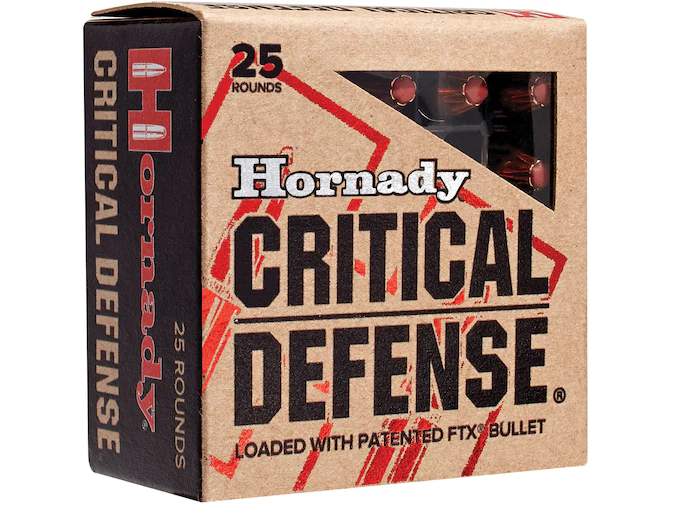
Hornady Critical Defense 115 Grain (Standard Pressure)

Critical Duty’s sibling, designed for civilian self-defense from short-barreled carry guns. The key differentiator is the Flex Tip.

  • Pros: The red polymer Flex Tip fills the hollow point cavity, preventing clogging from clothing or other materials. This ensures expansion is initiated. Lighter bullet and standard pressure make for very soft recoil and minimal flash, ideal for small, snappy pistols.
  • Cons: Lighter weight can lead to slightly less penetration depth (often on the lower end of the FBI scale). Some ballistic tests show less weight retention than bonded bullets.
  • Best For: Owners of micro-9mm pistols (Shield, P365, Hellcat, etc.) who want reliable expansion with easy-to-manage recoil.

Winchester Ranger-T 147 Grain (Standard Pressure)

Winchester’s law enforcement line, often called “the secret service round.” It’s notoriously hard to find for civilians but is a top-tier performer.

  • Pros: Features a “talisman” jacket with pre-skived segments that peel back into razor-sharp petals. Produces devastating, consistent expansion and excellent weight retention. Very effective terminal performance.
  • Cons: Extremely difficult to find on the commercial market. When found, it’s often in large, LE-style boxes. Its reputation sometimes inflates its price in secondary markets.
  • Best For: The shooter who can find it and wants one of the most effective traditional JHP designs ever made.

Sig Sauer V-Crown 124 Grain (Standard Pressure)

Sig developed this round in tandem with their P320 pistol, but it excels in any platform. It’s a modern, precision-engineered hollow point.

  • Pros: Clean-burning, consistent powder. The hollow point cavity is precisely machined and features an internal skive for uniform expansion. The jacket is thick at the base for deep penetration but thin at the mouth for rapid expansion. Great all-around balance.
  • Cons: As a newer player in the ammunition market, it doesn’t have the decades-long track record of HST or Gold Dot, though its performance data is excellent.
  • Best For: The shooter looking for a modern, high-tech design from a major firearms manufacturer. It runs flawlessly in Sig pistols, but also in everything else I’ve tried it in.

How to Choose Your 9mm Carry Ammo

Don’t just buy the first box of JHPs you see. Follow this process to make an informed decision.

  • Test for Reliability: This is rule number one. Buy at least 100 rounds (two boxes) of your chosen defensive load. Run all of it through your specific carry gun. If you experience a single failure to feed, eject, or fire, try a different round. Your gun gets the final vote.
  • Match the Ammo to the Gun: Short-barreled (3″ or less) micro-compacts lose a lot of velocity. Rounds like Hornady Critical Defense or Speer Gold Dot 115gr Short Barrel are optimized for this. Full-size pistols can take full advantage of heavier +P loads.
  • Consider Your Environment: Do you live in an apartment with drywall walls? Standard pressure rounds that meet the 12-18″ penetration standard are crucial. In a more rural setting, deeper penetration might be a consideration.
  • Shootability is Key: Can you accurately place rapid follow-up shots with the ammo? If a +P load throws your sights off target for too long, step down to a standard pressure round. Hits with standard pressure beat misses with +P.

Budget Picks vs. Premium Rounds

Let’s be clear: you should not cheap out on the ammunition you trust your life to. However, “premium” doesn’t always mean “prohibitively expensive,” and there are reliable options that cost less for practice and stocking up.

Premium (Your Carry Load)

These are the rounds listed above: Federal HST, Speer Gold Dot, Hornady, etc. You pay for advanced engineering, bonded cores, precise manufacturing, and exhaustive testing. Every single round in the box is expected to perform identically. This is what should be in your magazine when you carry.

Value-Oriented (Practice & Stockpile)

Rounds like Federal Punch, Speer Lawman, or Winchester Train & Defend offer solid JHP performance at a lower price point. They may not have the bonded core or the absolute expansion consistency of the top tiers, but they are still legitimate defensive rounds from reputable makers. These are excellent for familiarization training (shooting your actual defensive profile) and for having a larger reserve of capable ammo. Never carry ammunition you haven’t function-tested extensively.

A smart strategy is to carry a premium load, but practice regularly with a value-oriented JHP that has similar ballistics and point of impact. Then, fire a magazine of your premium carry ammo at the end of each range session to reconfirm function and feel.

Frequently Asked Questions

Is 115-grain or 147-grain 9mm better for self-defense?

This is a classic debate. Lighter bullets (115gr) travel faster, which can aid expansion, especially from short barrels. Heavier bullets (147gr) are slower but offer deeper penetration and often less perceived recoil. The “best” is the one that meets the FBI 12-18″ penetration standard, expands reliably from *your* gun, and that you can shoot accurately. The 124-grain weight is popular because it often strikes the ideal balance.

How often should I rotate my carry ammo?

Annually, at a minimum. The constant chambering and unchambering of the same top round can cause bullet setback (where the bullet is pushed deeper into the case). This creates a dangerous over-pressure situation. Once a month, unload your magazine and inspect your rounds. If any look different or the bullet seems seated deeper, replace it. Cycle your stock by shooting your older carry ammo at the range and replacing it with fresh boxes.

Do I need +P ammo for self-defense?

No, it is not a requirement. Modern standard pressure JHPs from major manufacturers are extremely effective. +P offers more energy and velocity, which can improve barrier penetration, but it also increases recoil, muzzle flash, and wear on your pistol. Check your pistol’s manual to ensure it’s rated for +P before using it. For most civilian self-defense scenarios, a standard pressure round is more than sufficient.

Can I use FMJ target ammo for self-defense?

You can, but you absolutely should not. FMJ rounds are designed for practice. They are much more likely to over-penetrate, passing through your target and walls, endangering innocent people. They also create a much smaller wound channel, reducing stopping effectiveness. JHPs are designed to solve these problems. Using FMJ for defense is a significant liability.

How much defensive ammo should I keep on hand?

There’s no single answer, but think in terms of layers. You should have at least the equivalent of 5-10 loaded magazines worth of your chosen carry ammo (100-200 rounds) that you do not shoot, reserved strictly for defense. Beyond that, having several hundred rounds of your practice/stockpile JHP is prudent for training and general preparedness. Ammunition is a non-perishable resource; it stores for decades when kept cool and dry.