Posted on Leave a comment

Pistol Parry Ghost of Yotei: A Tactical Guide

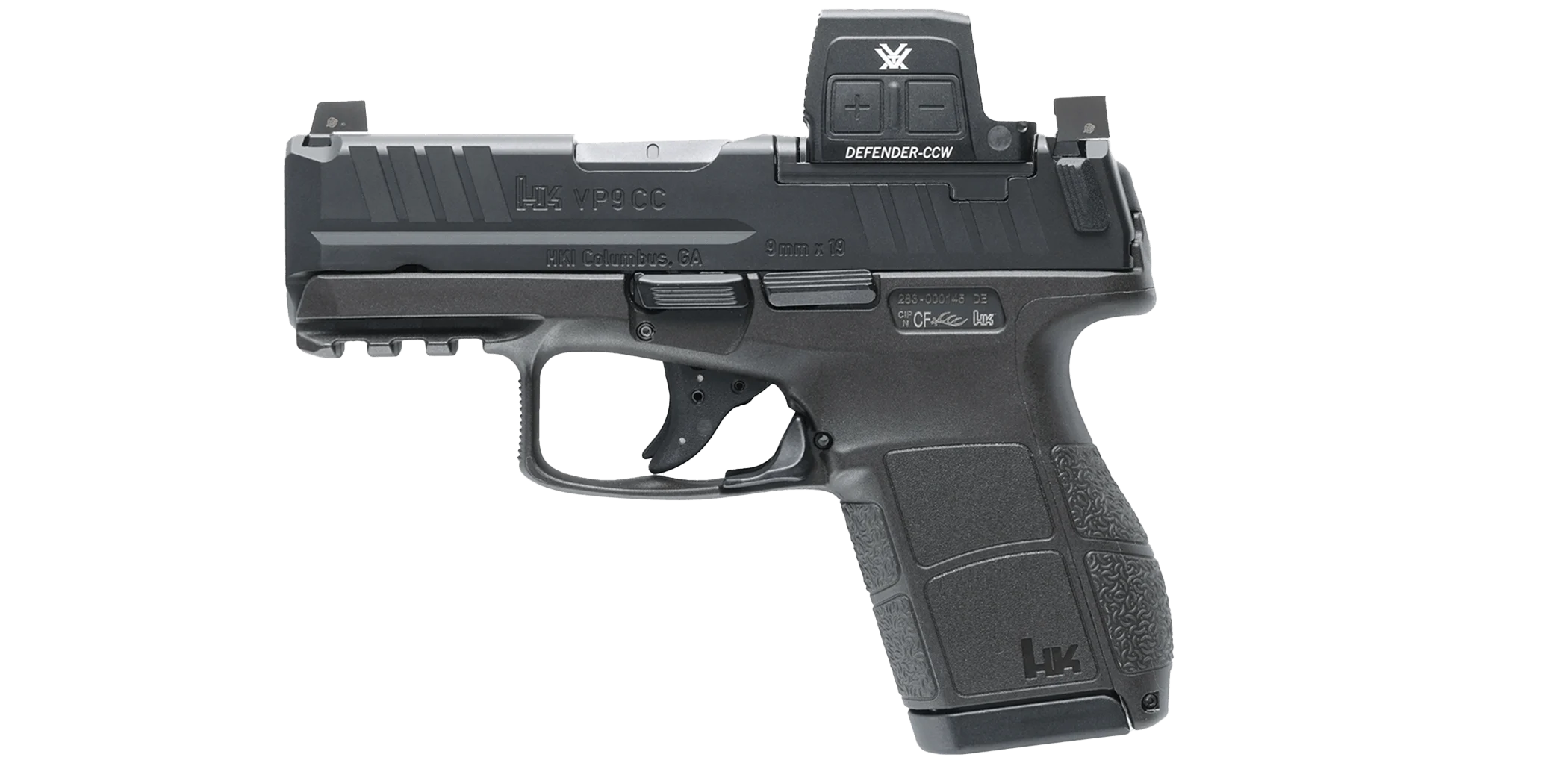
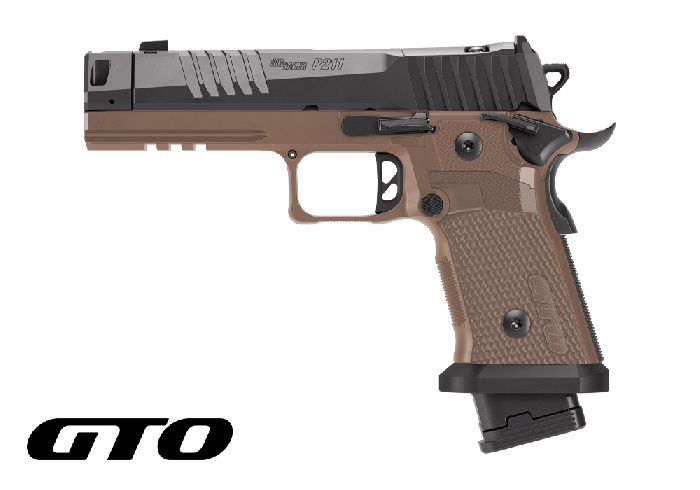
KelTec KP50 5.7×28mm – 50-Round Pistol - Handguns | Highbridge Armory

Pistol Parry Ghost of Yotei: A Tactical Guide

The “Pistol Parry Ghost of Yotei” isn’t a firearm drill you’ll find in a manual. It’s a specific, high-speed malfunction clearance technique born from competitive shooting, designed to get a pistol back in the fight in under a second when a double-feed or severe stovepipe occurs. The name comes from its fluid, almost ghost-like motion to parry the malfunction away. Mastering it requires a foundation in proper grip, stance, and aggressive manipulation—skills that translate directly to defensive and tactical pistolcraft.

The Foundation: Grip and Stance Are Everything

You cannot execute a fast, controlled Pistol Parry from a weak position. Your support hand grip must be high and tight under the trigger guard, with your thumbs forward along the frame. This isn’t a 70/30 grip; it’s 100% from both hands. Your stance should be aggressive, slightly bladed, with forward weight distribution. When the malfunction happens—say, a 9mm case lodged vertically between the slide and barrel hood—you need a stable platform to withstand the violent upward yank of the parry. A limp-wristed grip will cause the entire pistol to torque in your hands, wasting time. I see this most with shooters transitioning from heavier metal-framed guns to polymer models like the SIG P365; the technique demands even more conscious grip pressure on the lighter platform.

Executing the Parry: The Four-Step Breakdown

When you see the malfunction, your sequence is: Lock, Strip, Parry, Rack. First, lock the slide to the rear with your support hand thumb. Second, strip the magazine out with your firing hand; don’t be gentle. Third, this is the “parry”: rotate the pistol muzzle 90 degrees to the weak side (elevated port), and with a sharp, upward-and-outward motion of your support hand, slap the rear of the slide to dislodge the obstruction. Think of knocking a bottle off a fence. Finally, with the port clear, perform a power stroke on the slide with your support hand, visually confirming the chamber is empty before inserting a fresh mag and charging the weapon. The entire sequence should be one continuous, violent motion.

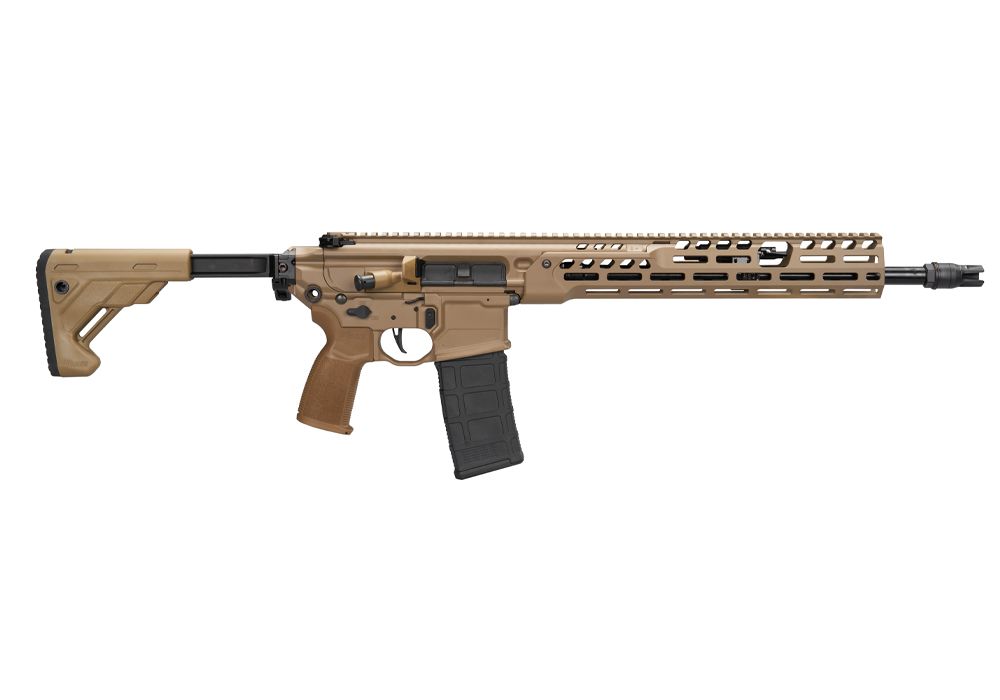
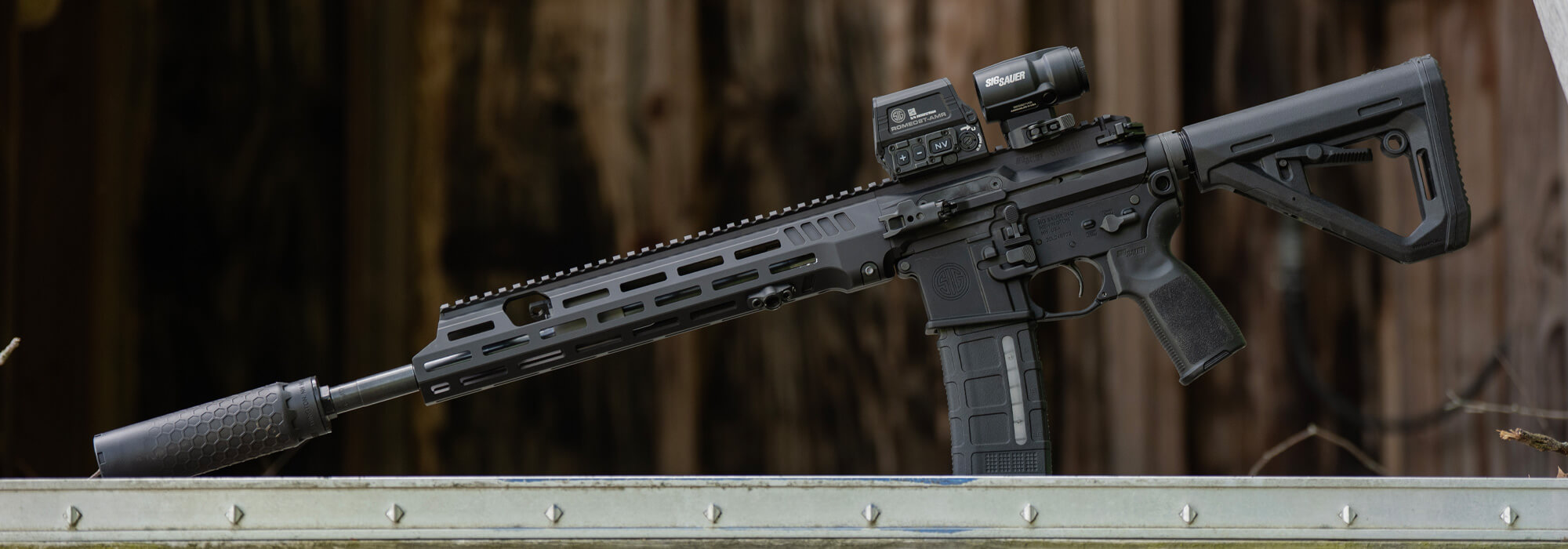
Bravo Company MFG RECCE-16 KMR-A Rifle

Why It Works: The Mechanics of Force

The Ghost of Yotei works because it uses the pistol’s own inertia against the malfunction. Simply racking the slide on a double-feed often jams the two rounds tighter. The parry applies a sharp, transverse force to the rear of the slide. This sudden jolt, combined with the gravity-assisted opening of the elevated ejection port, pops the stuck casing or round free more reliably than straight-back pressure. It’s particularly effective with common service pistols like Glocks, SIGs, and Smith & Wesson M&Ps, which have robust extractors. The technique is less about finesse and more about applying decisive, directional force. Practicing this with snap caps at home is essential to build the muscle memory before you ever need it under stress.

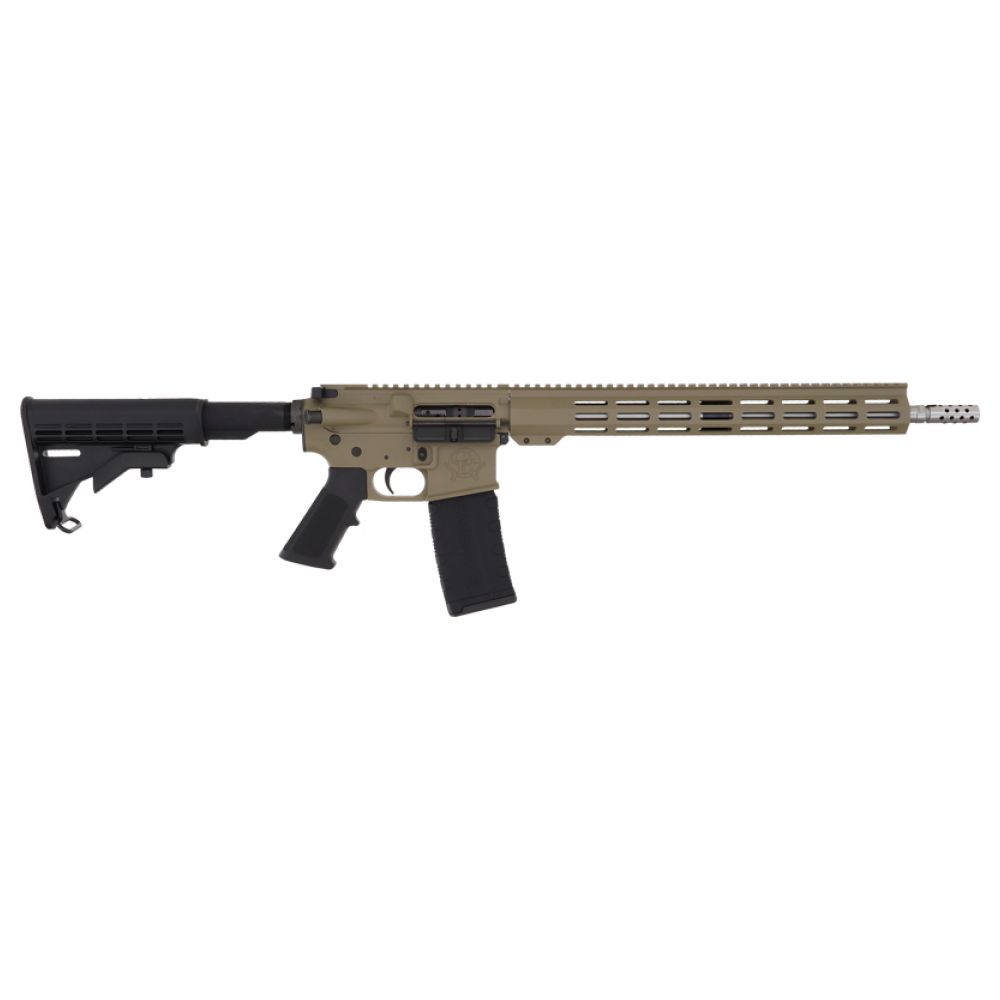
FDE AR-15 Complete Rifle Flat Dark Earth

Training Drills and Common Fail Points

Start dry. Use dummy rounds to induce a double-feed. Practice the sequence slowly until the movements are ingrained, then gradually increase speed. The most common fail point is an incomplete magazine strip; if the mag isn’t fully ejected, the fresh round in the mag will impede clearing. Another is a weak parry slap that doesn’t generate enough force to clear the obstruction. Use a shot timer to pressure yourself—aim for a sub-1.5 second clearance from identification to a simulated press-out. This skill is why we stress quality magazines and maintenance at Highbridgearmory; a worn magazine spring is a prime cause of the malfunctions this technique fixes.

Equipment Considerations for Reliable Performance

Your gear matters. A pistol with sharp, aggressive slide serrations at the rear makes the parry slap more positive. A flared magazine well aids in rapid re-insertion under stress. While the technique is universal, it’s worth noting that pistols with optics mounted can change the balance and grip area. Practice with your actual carry or duty setup. For those building a kit, starting with a reliable foundation like a Sons of Liberty Gun Works M4-EXO2 Complete Lower for a rifle build, or selecting a proven handgun from our Handguns collection, ensures you’re not fighting the equipment from the start. Highbridgearmory stocks the tools that won’t let you down when you need this drill the most.

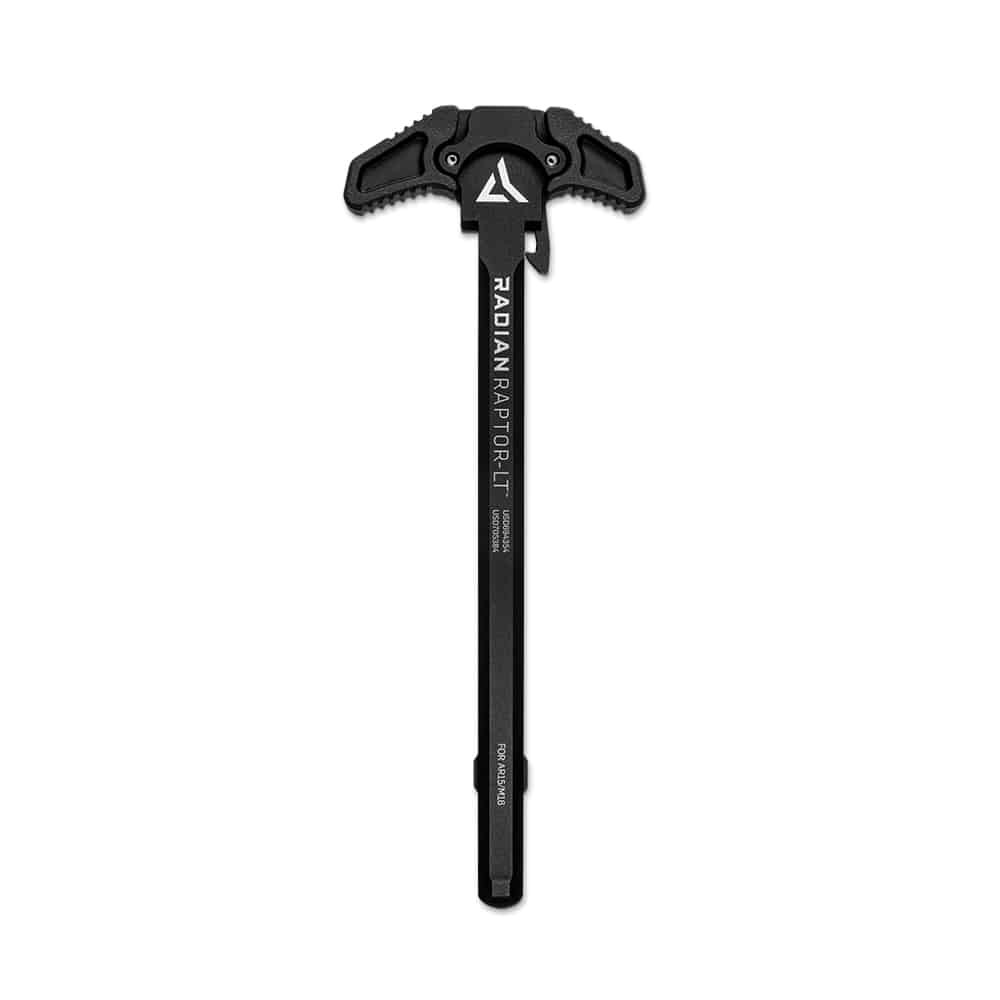
Radian Raptor LT Ambidextrous Charging Handle

Frequently Asked Questions

how to pistol parry ghost of yotei

The Pistol Parry Ghost of Yotei is a high-speed malfunction clearance for double-feeds. The sequence is: lock the slide rearward, strip the magazine, rotate the pistol 90 degrees to the weak-side ejection port, then deliver a sharp, upward-and-outward slap to the rear of the slide to dislodge the obstruction. Immediately follow with a full power stroke to clear the chamber before reloading.

how to do pistol parry ghost of yotei

To perform the drill, you need a firm, high-thumbs grip and an aggressive stance. Upon identifying the malfunction, use your support hand to lock the slide back while your firing hand strips the mag. Execute the “parry” by slapping the slide’s rear serrations to knock the jammed round free, then rack the slide vigorously to ensure the chamber is empty before inserting a fresh magazine.

how to perform pistol parry ghost of yotei

Performing the technique requires practiced, violent manipulation. It’s not a gentle tap. The key is generating enough transverse force with the parrying slap to overcome the friction holding the spent case or live round. Dry practice with snap caps to build the muscle memory, focusing on making the magazine strip, parry, and rack one fluid, decisive motion.

Browse our firearms collection

Last updated: April 05, 2026

Posted on Leave a comment

Firearms Possession Sentencing Guidelines

Order M18 Online - Handguns | Highbridge Armory

Firearms Possession Sentencing Guidelines

A first-time offender in a federal court for simple possession of a firearm by a prohibited person under 18 U.S.C. § 922(g) is looking at a guideline sentencing range of roughly 30 to 37 months, assuming no criminal history. That’s before mandatory minimums for aggravating factors kick in. This isn’t theoretical; it’s the reality calculated from the U.S. Sentencing Commission’s Chapter Two guidelines, specifically §2K2.1. Understanding these numbers is as critical as knowing the function of a Radian Raptor LT charging handle on your rifle.

The Federal Sentencing Table: Your Base Offense Level

The heart of federal sentencing is the Base Offense Level (BOL) found in §2K2.1. For unlawful possession, the BOL starts at 14. However, it jumps to 20 if the firearm was involved in another felony offense, and skyrockets to 26 if it’s a machine gun, a destructive device, or a firearm with an obliterated serial number. This is where specific knowledge matters. The law doesn’t see a BCM RECCE-16 the same as a modified Glock with an auto-sear from our Glock Switches collection; the latter triggers that severe enhancement. From the BOL, points are added for criminal history, number of firearms, and other specifics, directly impacting the final sentencing range on the 43-level table.

Mandatory Minimums and Aggravating Factors

Guidelines are one thing; mandatory minimum sentences are a hard stop. Under the Armed Career Criminal Act (ACCA), 18 U.S.C. § 924(e), a person with three prior violent felony or serious drug offense convictions faces a 15-year mandatory minimum. “Crime of violence” definitions are constantly litigated, but they often include burglary, robbery, and aggravated assault. Furthermore, possession “in furtherance of” a drug trafficking crime under §924(c) carries a consecutive 5-year minimum, which stacks on top of any other sentence. This is why legal possession is paramount. A firearm from Highbridgearmory must be owned in full compliance with state and federal law to avoid these devastating penalties.

Bravo Company MFG RECCE-16 KMR-A Rifle

State-Level Variations: A Patchwork of Penalties

While federal law sets a floor, state penalties vary wildly. In Texas, unlawful carry of a handgun is generally a Class A misdemeanor, punishable by up to a year in jail. In California, a felon in possession of a firearm (PC 29800) is a felony with 16 months, 2, or 3 years in state prison. New York’s criminal possession of a weapon in the second degree (PL 265.03) is a Class C violent felony with a mandatory minimum of 3.5 years. You must know your local statutes. The SOLGW M4-EXO2 lower you can legally build in one state could be the basis for a felony charge in another if not properly permitted.

FDE AR-15 Complete Rifle Flat Dark Earth

Mitigating Factors and Defense Strategies

A skilled attorney will fight to lower the guideline calculation and avoid mandatory minimums. Key mitigations include demonstrating the firearm was not used, was inoperable, or was possessed solely for lawful purposes like collection. “Acceptance of responsibility” can reduce the offense level by 2-3 points. Challenging the validity of prior convictions used for ACCA enhancement is common. The best defense, however, is proactive compliance. Ensuring your rifle or pistol is legally acquired and you are not a prohibited person is the only sure way to stay clear of the system. Stores like Highbridgearmory facilitate legal transfers to responsible owners.

Radian Raptor LT Ambidextrous Charging Handle

FAQ: Firearms Possession Sentencing

How much jail time for possession of a firearm?

For a federal first-offense felony possession by a prohibited person, expect 2-3 years under standard guidelines. With three prior violent felonies, the Armed Career Criminal Act mandates a 15-year minimum. State sentences vary from less than a year for misdemeanors to over a decade for aggravated felonies.

Browse our firearms collection

Last updated: April 05, 2026

Posted on Leave a comment

How to Weapon Inspect in Siege X

Order GLOCK 19 GEN4 FRONT COCKING SERRATIONS Online - Glock Switches | Highbridge Armory

How to Weapon Inspect in Siege X

You’ve just secured a round in Siege X with a clean headshot using your favorite operator’s primary, and you want to see that custom skin in action. The weapon inspect animation is a core part of the game’s feedback loop, but the input isn’t always obvious. On PC, the default key is ‘N’, but console players need to know the specific controller combination.

Understanding the Weapon Inspect Function

Weapon inspect is a purely cosmetic animation that allows you to view your firearm’s model, including any equipped skins, charms, or attachments. It serves no tactical purpose—in fact, it can be a liability if used at the wrong moment—but it’s a key part of player expression. The animation varies slightly between weapon classes; an SMG like the MP5 will have a different inspect motion than a DMR like the 417. Knowing how to trigger it quickly becomes second nature, much like performing a press-check on a real firearm to verify a chambered round. For operators who value their kit, it’s as essential as maintaining a real Bravo Company MFG RECCE-16 KMR-A Rifle.

Default Controls and Keybinds on PC

On PC, the default keybind for weapon inspect is ‘N’. Many competitive players remap this to a more accessible key, like a side mouse button or ‘V’, to avoid moving their left hand from movement keys. You can change this in the Controls menu under the “General” tab. I recommend binding it to a key you can reach without thought, similar to how you’d instinctively operate the ambidextrous controls on a Radian Raptor LT Charging Handle. Remember, the animation locks you out of firing for its duration, so never use it when an engagement is imminent. It’s for moments of downtime, like during the preparation phase or when holding a secure angle.

FDE AR-15 Complete Rifle Flat Dark Earth

Weapon Inspect on Xbox and PlayStation Consoles

For Xbox Series X|S and PlayStation 5, the input is not a single button press. You must hold down the weapon swap button (typically ‘Y’ on Xbox or ‘Triangle’ on PlayStation) and then press the reload button (‘X’ on Xbox, ‘Square’ on PS). This combination must be held briefly. It’s a deliberate two-step process to prevent accidental activation. Think of it like the safety procedure on a real weapon; you don’t want to inadvertently inspect your gun when you meant to reload. The tactile feedback of a controller makes this feel distinct, much like the positive reset of a quality trigger from our collection at Highbridgearmory.

Bravo Company MFG RECCE-16 KMR-A Rifle

Customization and Operator-Specific Animations

While the basic inspect function is universal, some elite operator skins or specific weapon blueprints feature unique inspect animations. These are purely cosmetic rewards. To see them, you must own that specific skin and have it equipped. The game’s detailed weapon models, from the SIG MPX to the M590A1 shotgun, are worth admiring up close. This attention to detail mirrors the real-world craftsmanship we appreciate in firearms, like the precision found in a SIG Sauer P365 FUSE Comp. If you’re customizing your loadout in-game, consider checking out the real-steel equivalents in our rifles collection at Highbridgearmory for inspiration.

Radian Raptor LT Ambidextrous Charging Handle

Practical Tips and When to Use It

Use the weapon inspect function only during guaranteed safe periods: the operator selection screen, the preparation phase, or when you are certain no enemy is nearby. Using it mid-round is a great way to get eliminated. It’s a tool for flair, not function. This mirrors real-world handling discipline; you keep your finger off the trigger and your weapon on safe until you are ready to engage. The satisfaction of a detailed virtual model is similar to the hands-on inspection of a well-built firearm from our full catalog. Know your controls, practice the input in a custom game, and then save it for the right moment after a successful engagement.

Frequently Asked Questions

How to weapon inspect siege x?

On PC, press the ‘N’ key by default. On Xbox or PlayStation consoles, hold the weapon swap button (Y/Triangle) and then press the reload button (X/Square). The animation is cosmetic and locks you out of firing, so use it only during safe downtime.

How to weapon inspect siege x console?

For all consoles (Xbox Series X|S and PlayStation 5), the command is the same: hold down the weapon swap button, then while holding it, press the reload button. It’s a simultaneous hold-and-press action, not a toggle. This prevents accidental activation during combat.

How to weapon inspect siege x ps5?

On PS5, hold the Triangle button to bring up the weapon swap prompt, then press the Square button while still holding Triangle. Release both buttons to return to normal gameplay. The input requires a brief moment of holding, much like manipulating a safety on a real firearm.

Browse our firearms collection

Last updated: April 05, 2026

Posted on Leave a comment

Firearms Guidelines: The Four Rules

Real SSAR-15 OGR Bump Stock - Rifles | Highbridge Armory

Firearms Guidelines: The Four Rules

You can recite the four cardinal rules of firearm safety in your sleep, but a 2023 analysis of negligent discharges found that 87% of incidents involved a violation of Rule 2: Never let the muzzle cover anything you are not willing to destroy. Memorizing them isn’t enough; you must internalize the mechanical reality behind each one. This isn’t about theory—it’s about building a failsafe mental protocol that functions under stress, fatigue, or distraction. Let’s break down what these rules *actually* mean for handling a Bravo Company MFG RECCE-16 KMR-A Rifle at the range or a SIG Sauer P365 on your hip.

1. Treat Every Firearm as if it is Loaded

This is the foundation. The moment you assume a firearm is unloaded, you begin making exceptions to the other rules. The correct mindset is operational: you must verify the condition of the weapon with your own senses, every single time it comes into your possession. For a semi-automatic pistol, this means locking the slide back, visually and physically inspecting the chamber and magazine well. For an AR-15 platform rifle, you drop the magazine, lock the bolt to the rear, and run a finger into the chamber. This ritual isn’t just for you; it’s for anyone you hand the firearm to. At Highbridgearmory, we see this discipline as non-negotiable, whether you’re handling a budget build or a premium Sons of Liberty Gun Works M4-EXO2 lower. The mechanical action of verification builds the muscle memory that prevents tragedy.

2. Never Point the Muzzle at Anything You Are Not Willing to Destroy

Muzzle discipline is the most visible sign of a competent shooter. This rule is active 100% of the time, even when you “know” the firearm is unloaded. The muzzle’s direction is your primary safety. At a crowded public range, this means keeping your barrel pointed downrange at the berm, even during a malfunction drill or when applying a chamber flag. At home, it means being hyper-aware of muzzle orientation during dry-fire practice—never letting it sweep a wall shared with a neighbor’s house. This applies to every firearm, from a compact KelTec KP50 to a full-length rifle. The rule accounts for mechanical failure and human error; a negligent discharge pointed at a safe backstop is a reportable mistake. One pointed at a person is a life-altering catastrophe.

FDE AR-15 Complete Rifle Flat Dark Earth

3. Keep Your Finger Off the Trigger Until Your Sights Are on Target

The trigger guard exists for a reason. Your finger should rest straight along the frame or receiver, above the trigger guard, until you have made a conscious decision to fire. This is a neuro-muscular habit that must be drilled. Under stress, like drawing from a holster or moving to a firing position, the natural flinch response will pull your finger into the guard. Training overrides this. Pay attention to your grip when manipulating the safety selector or using a tool like a Radian Raptor LT charging handle—your finger has no business near the trigger during these administrative actions. This rule is what separates a safe, controlled double-tap from an accidental burst. It applies universally, whether you’re running a 3.5-pound competition trigger or a standard military-spec pull.

Bravo Company MFG RECCE-16 KMR-A Rifle

4. Be Sure of Your Target and What is Beyond It

This rule extends your responsibility beyond the firing line. A 5.56x45mm round from an AR-15 can travel over a mile and penetrate multiple interior walls. Before you press the trigger, you must identify your target with absolute certainty and know what lies in the path of your bullet and where it will stop. At the range, this means knowing the range’s backstop construction and ensuring your lane is clear. In a defensive scenario, it is the critical factor in justifying a shot. You are accountable for every round that leaves your barrel. This rule also governs ammunition selection; understanding the penetration characteristics of your chosen load, like 9mm JHP vs. FMJ, is part of being sure. It’s the final, external check that ties all the other rules together.

Radian Raptor LT Ambidextrous Charging Handle

Integrating the Rules into Real-World Handling

Safety isn’t a checklist; it’s a continuous process. Start by applying these rules during dry-fire practice at home. Use a dedicated, cleared space with a safe backstop (a brick fireplace, a bookcase filled with books). When transporting firearms, they should be unloaded, in a case, with the action open if possible. At Highbridgearmory, we recommend this for every firearm you transport, from our rifles collection to our handguns. When storing, use a quality safe. Remember, mechanical safeties are backup devices, not primary ones. Your primary safeties are your brain and your adherence to these four rules. They must function automatically, whether you’re cleaning a Glock, competing, or hunting. This mindset is what defines a responsible firearm owner.

Do these rules apply to a firearm with the safety engaged?

Yes, absolutely. A mechanical safety is a supplemental device that can fail. The four rules are based on human behavior and must be followed regardless of the safety’s position. Always treat the firearm as if the safety does not exist. Rule 1 and Rule 2 are in effect 100% of the time.

How do I practice muzzle discipline in a cramped home?

You must designate a “safe direction,” which is often the floor (into the foundation slab) or a specific, robust piece of furniture you’ve verified as a safe backstop. Be mindful of angles—down may be safe in a single-story home but not in an apartment. The key is conscious, deliberate handling and never allowing the muzzle to sweep an uncontrolled space.

What’s the first thing I should do when someone hands me a firearm?

Immediately and safely verify its condition yourself. Politely say, “Let me check the chamber,” or similar. Even if they just cleared it, you must perform your own safety check. This is standard protocol among experienced shooters and is not considered rude. It reinforces Rule 1 and ensures a safe transfer of control.

Browse our firearms collection

Last updated: April 05, 2026

Posted on Leave a comment

Firearms Offences: Federal Sentencing Guide

WOT Trigger - Best Price - Triggers | Highbridge Armory

Firearms Offences: Federal Sentencing Guide

A first-time offender caught with a single, unregistered Glock switch faces a mandatory minimum of 30 months in federal prison. That’s not a typo. The sentencing guidelines for firearms offences are severe, rigid, and often misunderstood by otherwise law-abiding gun owners. This isn’t about state-level misdemeanors; it’s about federal charges that carry decade-long sentences. Understanding these laws is as critical as understanding the mechanics of your BCM RECCE-16.

The Federal Sentencing Table: How Time is Calculated

Federal judges don’t have wide discretion. They use the United States Sentencing Guidelines, a point-based grid. The “Base Offence Level” for simple unlawful possession of a firearm by a prohibited person starts at Level 14. But that’s just the floor. Specific firearm characteristics add points. A stolen firearm adds 2 levels. Having the serial number altered or removed adds 4 levels. If the firearm is described as a “semiautomatic firearm capable of accepting a large capacity magazine,” that’s another 2 levels. Your criminal history category (I through VI) is plotted against the final offence level (1-43) on the grid to produce a sentencing range in months. For example, a Level 26 offence for someone in Criminal History Category I recommends 63-78 months. Possession with intent to distribute while armed? That starts at Level 20 and skyrockets from there.

Mandatory Minimums: The Non-Negotiable Floor

Beyond the guidelines are mandatory minimum sentences set by Congress. These are non-negotiable floors. The most common is 18 U.S.C. § 924(c), which mandates a 5-year sentence for possessing a firearm in furtherance of a drug trafficking crime or crime of violence. That sentence must run consecutively to any other sentence. A second 924(c) conviction triggers a 25-year mandatory minimum, also consecutive. For possession of a machine gun or a firearm with a silencer, the mandatory minimum is 30 years. These aren’t theoretical. I’ve seen cases where a young man with a P365 in his waistband during a minor drug sale received a 5-year federal sentence on top of his state time. Ignorance is never a defense.

Bravo Company MFG RECCE-16 KMR-A Rifle

Prohibited Persons & The NICS Denial

Who is a “prohibited person”? It’s broader than convicted felons. The category includes anyone convicted of a crime punishable by over one year (even if a state calls it a misdemeanor), unlawful users of controlled substances, those adjudicated mentally defective, individuals subject to certain restraining orders, and more. Lying on Form 4473 (the NICS background check) is a separate federal felony punishable by up to 10 years. If you are denied a purchase at Highbridgearmory or any dealer, do not attempt to re-purchase or have a “straw buyer” do it for you. That is a fast track to indictment. The system flags these denials, and ATF follows up. The legal alternative is to seek relief from disabilities through proper channels, not to circumvent the law.

FDE AR-15 Complete Rifle Flat Dark Earth

Constructive Possession & “In Furtherance Of”

You don’t need to be holding the gun to be guilty. “Constructive possession” means you had the power and intention to exercise control over it, even if it’s in a co-defendant’s car or a shared apartment. This is a critical concept for anyone who shares a range bag or vehicle. More serious is the “in furtherance of” element for a 924(c) charge. Prosecutors must prove the firearm furthered, advanced, or helped forward the underlying crime. A loaded pistol in the center console during a drug run is almost always deemed “in furtherance of.” A disassembled rifle in a locked safe at home during a tax fraud scheme likely is not. The line is fact-specific, but the government’s interpretation is aggressively broad. This is why responsible storage and transport, separate from any questionable activity, is paramount.

State vs. Federal Charges: Where You’re Prosecuted Matters

State penalties vary wildly. In some jurisdictions, carrying without a permit might be a fine. In others, it’s a felony. Federal prosecution is a different beast entirely. The feds typically take cases involving prohibited persons, drug trafficking, violent crimes, or cases with an interstate nexus (firearm moved across state lines, purchased out of state, etc.). Federal conviction rates exceed 90%, parole was abolished in 1987, and inmates serve at least 85% of their sentence. A 10-year federal sentence means 8.5 years inside, minimum. State systems often have parole, earlier release, and more rehabilitative programs. The decision of whether the ATF and U.S. Attorney’s Office pick up your case can be the single biggest factor in the outcome.

Radian Raptor LT Ambidextrous Charging Handle

Frequently Asked Questions

What are firearm offences?

Firearm offences are violations of laws governing the possession, use, manufacture, or sale of firearms and related items. At the federal level, key statutes include unlawful possession by a prohibited person (18 U.S.C. § 922(g)), making a false statement on a background check (18 U.S.C. § 922(a)(6)), and possessing a firearm in furtherance of a drug trafficking or violent crime (18 U.S.C. § 924(c)). These are distinct from state-level infractions like permit violations.

What is the minimum sentence for a gun charge?

There is no single minimum; it depends on the specific charge. The most common federal mandatory minimum is 5 years for possessing a firearm in furtherance of a drug or violent crime under 924(c). For simple possession by a felon, there is no mandatory minimum, but the sentencing guidelines typically recommend 15-21 months for a first-time offender with a standard criminal history.

Can you get probation for a federal gun charge?

For most substantive federal firearms felonies, probation alone is highly unlikely. Mandatory minimums require prison time. Even for charges without a mandatory minimum, the Federal Sentencing Guidelines heavily favor incarceration. Probation might only be a realistic outcome for certain misdemeanors or as part of a rare, substantial assistance departure for cooperating with prosecutors.

What is a “prohibited person”?

A prohibited person is legally barred from possessing firearms or ammunition. Categories include convicted felons, unlawful drug users, individuals with certain domestic violence misdemeanors or restraining orders, those adjudicated as mentally defective or committed to a mental institution, and fugitives from justice. This status is national and is checked via the NICS system during a purchase from Highbridgearmory.

Browse our firearms collection

Last updated: April 05, 2026

Posted on Leave a comment

Firearms Safety Course: The Non-Negotiable First Step for Every Responsible Owner

Firearms Safety Course: The Non-Negotiable First Step for Every Responsible Owner

In 2023, the National Shooting Sports Foundation reported that over 5.4 million people purchased their first firearm. If you were one of them, or are considering it, a formal firearms safety course isn’t just a suggestion—it’s your foundational duty. Handling a tool designed for lethal force without certified training is a liability, not a right.

What a Real Firearms Safety Course Covers (Beyond the Four Rules)

Everyone can parrot the four universal safety rules. A professional course makes you live them. A proper curriculum, like those from the NRA or state-certified instructors, drills into mechanical operation, loading and unloading procedures for different action types, and immediate action drills for malfunctions. You’ll learn stance, grip, and sight alignment not just for accuracy, but for safe muzzle discipline. Crucially, it covers legal responsibilities: where you can and cannot carry, use of force statutes, and secure storage laws like FOPA. This isn’t theoretical; you’ll handle inert training versions of popular platforms like the Glock 19 or Smith & Wesson M&P Shield to build muscle memory before you ever touch a live round.

Selecting the Right Course: CCW, Basic Pistol, or Hunter Safety?

Your training path depends on your firearm’s purpose. A basic pistol course is mandatory for all handgun owners, covering revolvers and semi-automatics. If concealed carry is your goal, a state-specific CCW course is legally required in most jurisdictions and includes live-fire qualification, often with a minimum caliber like .380 ACP or 9mm. For long guns, a Hunter Safety course is essential, teaching safe carry in the field, zone-of-fire awareness, and tree stand safety. Don’t buy a $800 Springfield Hellcat for EDC and then take a hunter safety class. Match the training to the tool. At Highbridgearmory, we often direct new buyers to local instructors before they finalize a purchase from our store.

Essential Gear You’ll Need for Training (And Beyond)

Showing up empty-handed won’t work. Any reputable course requires essential safety gear: ANSI-rated wrap-around eye protection and electronic hearing protection like Walker’s Razor Slims, which allow range commands to be heard clearly. You’ll need a proper holster that completely covers the trigger guard—a flimsy nylon universal holster is a safety hazard. For the firearm itself, start with a proven, simple platform. We recommend first-time buyers in our handguns category look at the Smith & Wesson M&P 9 M2.0 or the Taurus G3C for their consistent triggers and manual safety options. Bring at least 100 rounds of factory-new ammunition, like Federal American Eagle 115gr FMJ, not reloads.

Integrating Safety Course Principles into Daily Practice

Certification is the beginning, not the end. Safe handling must become autonomic. This means every time you pick up your firearm, whether it’s a Ruger 10/22 for plinking or a Sig Sauer P365 for carry, you physically and visually confirm it is unloaded—chamber flag or open action. Designate a specific direction as your “safe direction” at home, using a properly rated safe like a Liberty Centurion for storage. Dry-fire practice, using verified-empty snap caps like those from A-Zoom, is invaluable for reinforcing trigger discipline without cost or noise. The principles from your course must govern every interaction, from cleaning your Mossberg 500 to presenting from a holster.

Is an online firearms safety course sufficient for getting a permit?

Almost never. While some states may allow an online component for the classroom portion, virtually all require in-person, instructor-led live-fire qualification for a concealed carry permit. An online-only course cannot assess your actual handling, muzzle control, or shooting proficiency. Always verify your state’s specific requirements with a certified local instructor.

How much does a typical firearms safety course cost?

Expect to invest between $75 and $200 for a quality one-day basic pistol or hunter safety course. State-mandated CCW courses often run $100-$250, depending on round count and range fees. This is a minor investment compared to the cost of your firearm and the value of proper training. It’s significantly less than the cost of a negligent discharge.

I grew up around guns. Do I really need a formal course?

Yes. Informal “family training” often ingrains bad habits and gaps in legal knowledge. A formal course provides a structured, standardized curriculum and certification that is often required by law. It also exposes you to professional teaching methods and different perspectives on safety protocols that you may have missed. There is no substitute for credentialed, professional instruction.

The most important safety device is the one between your ears. A professional firearms safety course builds the software for that hardware. Once you’ve completed your training, you’ll be prepared to select your firearm with knowledge and confidence. Browse our firearms collection at Highbridgearmory to find the right tool, from dependable training handguns to premium home defense shotguns, all selected with the responsible, educated owner in mind.

Last updated: March 25, 2026

Posted on Leave a comment

What is a Firearms Identification Card? Your State-by-State Breakdown

What is a Firearms Identification Card? Your State-by-State Breakdown

In New Jersey, you need a Firearms Purchaser Identification Card (FPIC) just to buy a single box of .22LR ammunition. In Massachusetts, you can’t legally possess a firearm or ammunition without a Firearms Identification (FID) Card. If you’re new to gun ownership or moving to a new state, understanding the specific identification card required is your first and most critical step. This isn’t about concealed carry; this is about the foundational permit that allows you to own, purchase, or even touch firearms and ammo in certain jurisdictions. Getting it wrong means you can’t legally take possession of that new Smith & Wesson M&P Shield Plus or Glock 19 you’ve been eyeing at Highbridgearmory.

The Core Concept: More Than Just a “Gun License”

A Firearms Identification Card (FID), or its equivalent like a Firearm Owner’s Identification (FOID) card, is a state-issued permit that grants an individual the basic privilege to purchase, possess, or acquire firearms and/or ammunition. It’s distinct from a concealed carry permit. Think of it as a background check and eligibility verification that stays current. States like Illinois (FOID), Massachusetts (FID/LTC), New Jersey (FPIC), and others require this card before any firearm transfer. The process always involves fingerprinting, a thorough background check by state police, and often references. Without this card in these states, you cannot legally take possession of a firearm from an FFL, including purchases made online and shipped to your local dealer. It’s the mandatory first gate before you can even browse the handguns category with purchase intent.

A Deep Dive: Massachusetts FID Card vs. License to Carry

Massachusetts has a tiered system that confuses many. The Firearms Identification (FID) Card, often green, allows you to possess and purchase non-large-capacity rifles and shotguns, and ammunition. You cannot possess a handgun with just an FID. For that, you need a License to Carry (LTC), which is red and comes in Class A (concealed carry) and Class B (open carry/transport only) variants. The LTC application process is more rigorous. An FID card is sufficient for purchasing a classic bolt-action like a Ruger American Rifle or a pump-action shotgun like a Mossberg 590, but if you want a Springfield Armory Hellcat or a Sig Sauer P365 for home defense, the LTC is non-negotiable. Always verify your local police department’s specific requirements, as they are the issuing authority.

The Illinois FOID: A Non-Negotiable Requirement

Illinois’ Firearm Owner’s Identification (FOID) card is one of the strictest in the nation. No one may possess a firearm or ammunition within state borders for any duration without a valid FOID card. This applies to residents and non-residents alike. The Illinois State Police (ISP) administer the program, which involves a background check and a $10 fee for a 10-year card. The key point: an FFL in Illinois cannot, under any circumstances, transfer a firearm or ammo to you without first seeing and logging your valid FOID. This means if you find a great deal on a Canik Rival or a Smith & Wesson M&P15 Sport II at our store, you must have your FOID information ready for your chosen Illinois FFL to complete the transfer. Delays in FOID renewal instantly freeze your ability to purchase.

New Jersey’s FPIC: The Permit to Purchase

New Jersey’s system is particularly cumbersome. The Firearms Purchaser Identification Card (FPIC) is required to purchase any firearm—handgun, rifle, or shotgun. However, to actually buy a handgun, you also need a separate permit for *each* handgun, and these permits expire after 90 days. The FPIC application requires fingerprinting and approvals from both your local police and the New Jersey State Police. Even to buy a simple .22 target rifle like a Ruger 10/22 or ammunition of any kind, the FPIC must be presented. The process is known for long wait times, making planning essential. If you’re a New Jersey resident, securing your FPIC is step zero before you even consider specific models.

Navigating the Process and What to Buy Afterward

Your first action is to visit your local police department’s website or precinct for the exact application packet. Expect to provide photographs, fingerprints, references, and pay a fee. The process can take from 30 days to several months. Once you have that card in hand, your legal ability to acquire firearms begins. For new owners in restrictive states, I often recommend starting with a versatile, compliant platform. A featureless AR-15 built to meet state codes or a reliable 12-gauge shotgun like the Mossberg 500 Flex series are solid first choices. For handgun states, focus on state-compliant models often listed with 10-round magazines, such as the Glock 19 Gen5 or the Smith & Wesson M&P9 Shield EZ. Highbridgearmory clearly marks state-compliant models, which is crucial for FID/FOID holders.

What is a firearms identification card?

A Firearms Identification Card (FID) is a state-issued permit required in certain jurisdictions that allows an individual to legally purchase, possess, and acquire firearms and/or ammunition. It is a baseline eligibility credential, separate from a concealed carry license, and is mandatory before any firearm transfer can occur in states that require it.

What is a firearms identification card in Massachusetts?

In Massachusetts, a Firearms Identification (FID) Card is a green license that permits the holder to possess and purchase non-large-capacity rifles, shotguns, and ammunition. It does not allow for the possession of handguns, which requires a more stringent License to Carry (LTC). The FID is typically for long guns and mace/pepper spray.

What is a firearms owner identification card?

A Firearm Owner’s Identification (FOID) card is the specific term used in Illinois for the mandatory permit all residents must possess to legally own or purchase any firearm or ammunition within the state. Issued by the Illinois State Police, it is valid for 10 years and must be presented for all firearm-related transactions.

Understanding your state’s specific card is the absolute foundation of responsible firearm ownership. Once you’ve secured yours, you can legally build your collection. Browse our firearms collection at Highbridgearmory, where we categorize products to help you easily find state-compliant models and everything you need for your next lawful purchase.

Last updated: March 25, 2026

Posted on Leave a comment

California Firearms Laws: What You Need to Know Before You Buy

California Firearms Laws: What You Need to Know Before You Buy

You’ve found the perfect handgun online, but before you can complete the transfer to your local California dealer, you need a Firearm Safety Certificate, and the pistol must be on the state’s Roster of Handguns Certified for Sale. This is just the first hurdle. California’s firearms laws are a complex, ever-evolving web of regulations that directly dictate what you can own, how you can acquire it, and where you can carry it. Getting it wrong isn’t just an inconvenience—it’s a felony. This breakdown cuts through the legal jargon to give you the actionable knowledge required to operate within the law.

The Handgun Roster and the “Safe” Handgun Mandate

California maintains an official Roster of Handguns Certified for Sale. For a new semi-automatic pistol to be added to this roster, it must pass specific “safety” tests, including a chamber load indicator, a magazine disconnect mechanism (where mechanically feasible), and microstamping capability—a technology that doesn’t functionally exist for commercial production. This has effectively frozen the roster, preventing the sale of most new handgun models from manufacturers. The practical result? Your choices for new, roster-approved handguns are limited to models that have been on the list for years. For example, popular models like the Glock 17 Gen 3 are roster-compliant, while the Gen 5 is generally not. At Highbridgearmory, we clearly label roster status. If you’re a new resident importing off-roster handguns, you must use a Special Firearms Eligibility Check (SFEC) and register them with the DOJ within 60 days.

Assault Weapons and Feature-Based Bans

California’s definition of an “assault weapon” is primarily feature-based for semi-automatic, centerfire rifles. A rifle with a detachable magazine is banned if it has any one of the following: a pistol grip, a thumbhole stock, a folding or telescoping stock, a grenade launcher or flare launcher, a flash suppressor, or a forward pistol grip. The common workaround is a “featureless” build. This involves using a fixed stock (like a featureless rifle stock), a fin grip or sparrow dynamics grip that prevents wrapping the thumb, and a muzzle brake instead of a flash hider. The alternative is a “fixed magazine” solution, like the AR MagLock, which legally makes the magazine non-detachable without disassembling the action. We stock a wide selection of featureless-compliant uppers and parts to help you build a legal configuration.

Magazine Capacity Restrictions

It is illegal to manufacture, import, keep for sale, offer for sale, or give away any magazine that holds more than 10 rounds of ammunition. Possession of such “large-capacity magazines” (LCMs) is generally a misdemeanor. There are limited exceptions, such as for magazines possessed during specific, narrow windows following court rulings, but the current, enforceable law is a firm 10-round limit. This applies to all firearms—handguns, rifles, and shotguns. When you purchase a firearm from Highbridgearmory destined for California, we ensure it is shipped with compliant 10-round magazines or is configured to accept only 10-rounders. Do not attempt to import standard-capacity magazines; it’s a direct violation.

The 10-Day Wait and DROS Process

All firearm purchases from a dealer, including private party transfers (PPT), require a Dealer Record of Sale (DROS) and a mandatory 10-day waiting period. This clock starts when the DROS is submitted to the California Department of Justice (CA DOJ), not when you pay. You will need a valid Firearm Safety Certificate (FSC) for long guns and handguns, a second form of ID proving California residency (like a vehicle registration or utility bill), and you must complete a safe handling demonstration for handguns. The 10 days are calendar days, including weekends and holidays. You cannot take possession early. After the 10 days, you have 30 days to pick up the firearm from the dealer. If you miss this window, the dealer must restart the entire DROS process.

Transportation and Carry Laws

Transporting firearms in a vehicle is strictly regulated. Unloaded long guns may be transported anywhere in a vehicle. Handguns and “assault weapons” must be transported in a locked container, and the vehicle’s trunk counts as a locked container only if it is fully enclosed and locked. The glove box or center console does not qualify. The best practice is to use a dedicated, hard-sided locking case like a Pelican, with the firearm unloaded and the ammunition separate. As for carry, California is a “may-issue” state for concealed carry weapons (CCW) permits. Issuance is at the discretion of your county sheriff or local police chief, and requirements vary drastically. Open carry of handguns is generally prohibited statewide. Understanding these transport rules is non-negotiable to avoid accidental felonies during routine travel.

Can I buy ammo online and have it shipped to my door in California?

No. As of July 1, 2019, all ammunition purchases in California must be processed through a licensed ammunition vendor. You can purchase ammo online, but it must be shipped to a CA-licensed vendor (FFL or ammunition vendor). You will then go to that vendor, pay a $1 background check fee (plus any vendor transfer fees), and pass an eligibility check before taking possession. Highbridgearmory facilitates this process by shipping ammunition orders directly to your chosen, participating California FFL.

What is the “one handgun per 30 days” rule?

California law prohibits any person from purchasing more than one handgun, or completing the DROS for more than one handgun, within any 30-day period. This applies to all handgun acquisitions from a dealer, including private party transfers processed through a dealer. There are limited exemptions for certain law enforcement officers, individuals with a valid Curio & Relic (C&R) license with a COE, and transactions where multiple handguns are part of a single operation by a law enforcement agency. The 30-day clock is based on the DROS application date.

Are “80% lowers” or “ghost guns” legal in California?

As of July 1, 2022, it is illegal to manufacture, distribute, transport, import, keep for sale, offer for sale, or possess any firearm that is not serialized by a state or federally licensed manufacturer. This includes previously un-serialized frames or receivers (often called “80% lowers”). Existing unserialized firearms you possessed before that date must have been applied for a state-assigned serial number through the CA DOJ’s CFARS system by January 1, 2024. It is now illegal to build a new firearm at home from an unserialized component without going through a licensed manufacturer. We strongly recommend purchasing only serialized, complete or stripped lower receivers from a licensed dealer like Highbridgearmory to ensure compliance.

Navigating California’s legal maze is a prerequisite for responsible ownership. The team at Highbridgearmory stays current on these regulations to ensure the products we offer and the guidance we provide help you stay compliant. Once you understand the rules, you can make informed decisions about your next purchase. Browse our firearms collection, which is curated with California’s unique requirements in mind, and find the right tool for your needs within the bounds of the law.

Last updated: March 25, 2026

Posted on Leave a comment

The Best Firearms for Self-Defense: A Practical Guide Based on Real-World Use

The Best Firearms for Self-Defense: A Practical Guide Based on Real-World Use

You wake up to the sound of glass breaking downstairs at 3 AM. The police are minutes away when seconds count. In that moment, the theoretical debate ends, and your choice of defensive firearm becomes the single most critical piece of gear you own. It’s not about having “a gun”—it’s about having the right tool, one you can operate under stress, that delivers reliable, decisive stopping power. This guide cuts through the noise and focuses on proven platforms for protecting your home and person.

The Modern Defensive Handgun: Striker-Fired 9mm Dominance

The striker-fired 9mm pistol is the standard for a reason. It offers a consistent trigger pull, a simple manual of arms (often no external safety to fumble with), and sufficient capacity in a manageable caliber. Recoil is controllable, allowing for faster, more accurate follow-up shots compared to larger calibers. For home defense, a full-size model like the Glock 17 or Smith & Wesson M&P9 2.0 provides a full grip, longer sight radius, and typically 17+1 rounds. For concealed carry, compact models like the Glock 19 or Sig Sauer P365 XL strike an ideal balance. The P365 XL, for instance, gives you 12+1 or 15+1 rounds in a remarkably slim frame. At Highbridgearmory, we stock these workhorses because they simply work. You can browse our handgun selection to see current availability on these and other top-tier models.

The Defensive Shotgun: Unmatched Stopping Power at Close Quarters

For a dedicated home defense weapon, nothing matches the psychological and physical impact of a 12-gauge shotgun. The sound of a pump-action being racked is universally understood. More importantly, a load of #4 buckshot delivers devastating terminal ballistics at room distances while presenting less over-penetration risk through walls than a rifle round. The Mossberg 500 or 590A1 series are the gold standards for reliability, with their dual extractors and proven action. An 18.5-inch barrel provides maneuverability in hallways. For a semi-automatic option, the Beretta 1301 Tactical is in a class of its own for speed and reliability. A quality weapon-mounted light is non-negotiable for a home defense shotgun. Pair it with a simple bead sight or ghost ring rear, and you have a system that is brutally effective within its intended range.

The Pistol-Caliber Carbine (PCC): The Ultimate Home Defense Rifle?

The PCC is arguably the ideal firearm for many home defense scenarios. It takes the same 9mm cartridge from your handgun but fires it from a stable, shoulder-fired platform. This means drastically improved accuracy, reduced felt recoil, and increased velocity. A model like the Ruger PC Carbine or the Sig Sauer MPX is easy for any family member to shoot effectively. With a 16-inch barrel, it’s still maneuverable, and most accept Glock or Sig magazines, streamlining your ammunition and magazine logistics. Adding a red dot sight makes target acquisition instantaneous. The PCC minimizes over-penetration concerns compared to rifle calibers while maximizing hit probability under stress. It’s a force multiplier that turns a handgun round into a far more capable solution.

AR-15 Platform in 5.56 NATO: Debunking the Over-Penetration Myth

Contrary to popular belief, a properly loaded AR-15 is one of the best choices for home defense regarding over-penetration. While a 5.56mm rifle round is powerful, its lightweight, high-velocity bullet is designed to fragment and yaw upon impact with soft tissue and drywall. Compared to 9mm FMJ or 00 buckshot, quality 55-grain soft-point or hollow-point 5.56 rounds are less likely to pass through multiple interior walls while retaining lethal energy. The platform itself offers minimal recoil, extreme accuracy, and high capacity. A 16-inch carbine with a mid-length gas system, like a BCM Recce-16 or a Daniel Defense M4A1, paired with a weapon light and red dot, is arguably the most effective tool for stopping a violent threat. You can find AR-15 options at Highbridgearmory built to this exact standard of reliability.

Critical Factors Beyond the Firearm: Ammunition, Lights, and Training

Your firearm is only part of the system. Your ammunition choice is critical. For 9mm, use modern, proven jacketed hollow points (JHPs) like Federal HST 124gr or Speer Gold Dot 124gr. For 5.56, avoid military ball ammo; use fragmenting soft points. A weapon-mounted light is mandatory for positive threat identification in low light—Streamlight and SureFire are the benchmarks. Finally, none of this matters without training. Professional instruction and regular, purposeful practice are what turn equipment into a lifesaving skill. Dry fire is free and invaluable. Invest in a quality holster, a sturdy belt, and more ammunition for training than you think you need.

Is a .380 ACP pistol sufficient for self-defense?

Yes, but with major caveats. Modern .380 JHP loads from makers like Hornady Critical Defense have closed the gap, making it a viable option. However, it is a minimum-power cartridge best suited for deep concealment where a 9mm is too bulky. Shot placement is even more critical, and you sacrifice magazine capacity. For a primary defense gun, a micro-9mm like the Sig P365 or Springfield Hellcat is a better choice. Reserve .380 for backup or deep-concealment roles.

What’s better for home defense: a handgun or a shotgun?

It depends on your scenario and training. A shotgun (12-gauge with #4 buck) offers supreme stopping power and is simpler to aim under stress, but it has low capacity and can be cumbersome. A full-size 9mm handgun offers high capacity, is easier to store in a quick-access safe, and leaves one hand free (e.g., to hold a child or phone), but requires more skill to shoot accurately under duress. For most people, a handgun with a weapon light is the more practical, versatile choice. The ideal solution for a dedicated home gun is often a PCC or AR-15.

How much should I spend on a reliable self-defense firearm?

Plan on a budget of $500-$800 for a reliable striker-fired 9mm pistol (Glock, S&W M&P, Canik). A Mossberg 500 shotgun starts around $400. A quality AR-15 starts around $800 for a base model from a reputable maker like Smith & Wesson (M&P15) or Ruger (AR-556). Don’t cheap out. A $250 pistol of questionable origin is not a lifesaving tool; it’s a liability. The investment in a proven platform from a reputable dealer like Highbridgearmory is an investment in reliability when you cannot afford a malfunction.

The right firearm is the one you can operate instinctively, that goes bang every time you press the trigger, and that you practice with regularly. There is no single “best” answer, only the best tool for your specific needs and capabilities. Once you’ve decided on a direction, equip yourself with quality gear from a source that understands the stakes. Browse our firearms collection at Highbridgearmory to find the proven tools that professionals trust.

Last updated: March 25, 2026

Posted on Leave a comment

Choosing Your Firearm: A Practical Comparison of Handguns, Rifles, and Shotguns

Choosing Your Firearm: A Practical Comparison of Handguns, Rifles, and Shotguns

You’re standing at the counter, paperwork filled out, and you’ve narrowed it down to two finalists: a polymer-framed 9mm striker-fired pistol and a classic .45 ACP 1911. The difference in felt recoil, magazine capacity, and intended use isn’t just theoretical—it’s the deciding factor in a purchase you’ll rely on. This is where abstract specs meet tangible performance, and making the right choice requires a clear-eyed comparison of purpose, mechanics, and reality.

Handgun Showdown: Striker-Fired vs. Hammer-Fired for Everyday Carry

The debate between striker-fired and hammer-fired pistols defines the modern carry market. Striker-fired designs like the Glock 19, SIG Sauer P320, and Smith & Wesson M&P Shield dominate for a reason: they offer a consistent trigger pull, simplified manual of arms with no external safety to disengage, and inherent reliability from fewer external parts. For daily concealed carry, this simplicity under stress is a major advantage. Hammer-fired guns, like the SIG P226 or the CZ 75, provide a different tactile experience—often a crisper, lighter single-action trigger pull after the first shot and the option of carrying “cocked and locked” like a 1911. For a dedicated home defense or competition role where concealment isn’t paramount, that superior trigger can aid accuracy. At Highbridgearmory, we stock both philosophies because the “best” choice hinges on your training preference and comfort with the platform.

Centerfire Rifle Cartridges: Matching the Round to the Role

Selecting a rifle often starts with the cartridge, as it dictates effective range, recoil, and cost. The 5.56 NATO/.223 Remington is the undisputed king of the modern sporting rifle for good reason. From a 16″ AR-15 like the Ruger AR-556, it offers minimal recoil, affordable practice ammo, and sufficient power for varmints and home defense within 300 yards. When you need to reach farther and hit harder, the 7.62x51mm NATO/.308 Winchester steps in. In a platform like the Springfield Armory M1A or a bolt-action Ruger American Predator, the .308 delivers ethical takedown power for most North American game and maintains effectiveness out to 800+ yards. For those prioritizing long-range precision on a budget, the 6.5 Creedmoor, available in rifles like the Bergara B-14 HMR, offers superior ballistic coefficients and less wind drift than .308, making it easier to shoot accurately at extended distances.

The Shotgun’s Domain: Pump-Action Reliability vs. Semi-Auto Speed

For home defense and hunting in thick brush, the shotgun is a powerhouse. The choice between pump-action and semi-automatic is fundamental. A pump-action like the Mossberg 500 or Remington 870 is a tank. Its manual operation is 100% user-powered, meaning it will cycle any ammunition from light target loads to 3″ magnum slugs without adjustment. This absolute reliability and lower price point make it an ideal first shotgun. A quality semi-auto, such as the Beretta A300 or the Benelli M4, reduces felt recoil significantly and allows for faster follow-up shots. The trade-off is increased complexity, higher cost, and the potential need to tune the gas system for reliable cycling with a wide range of loads. For a dedicated defensive tool where speed is critical, the semi-auto shines. For a versatile, no-fuss workhorse, the pump action is unbeatable.

Beyond the First Shot: Capacity, Ergonomics, and Aftermarket Support

Initial purchase price is just the entry fee. Practical comparison must factor in long-term usability. Magazine capacity is a legal and functional consideration. A standard Glock 17 holds 17+1 rounds of 9mm; a 1911 typically holds 7+1 of .45 ACP. Ergonomics are personal but critical—can you naturally reach the magazine release and manipulate the slide stop without shifting your grip? Platforms like the Glock, SIG P320, and Smith & Wesson M&P have massive aftermarket support for sights, triggers, and holsters. A more niche firearm might be perfect for you, but finding a quality holster or spare magazines could be difficult and expensive. Before you commit, browse categories at our store to see which platforms have the depth of accessories you’ll want down the line.

Making the Decision: Application is Everything

There is no “best” firearm, only the best tool for a specific application. A lightweight Smith & Wesson Shield Plus in 9mm is an excellent deep-concealment carry gun but a poor choice for a weekend pistol competition. A 16″ AR-15 in 5.56 is a superb defensive rifle but illegal for deer hunting in many states where a .350 Legend or .450 Bushmaster upper would be required. Be brutally honest about the primary role. Is this for concealed carry, bedside duty, hunting whitetail, punching paper at 600 yards, or a combination? Your answer will immediately eliminate entire categories of firearms and focus your comparison on the relevant specs: size, weight, caliber, barrel length, and sighting system. This focused approach prevents you from buying a compromise that excels at nothing.

Is a 9mm or .45 ACP better for home defense?

Modern 9mm defensive ammunition from brands like Federal HST or Speer Gold Dot achieves FBI penetration standards and offers excellent expansion. The advantages are lower recoil, higher magazine capacity, and lower ammunition cost for practice. The .45 ACP delivers a larger diameter projectile with more energy, but with significantly more recoil and lower capacity. For most shooters, the 9mm’s combination of manageable recoil and higher capacity makes it the more effective and controllable choice in a high-stress situation.

What’s more important for a first rifle: caliber or platform?

Platform first, specifically the AR-15. Its modularity is the key. Starting with a basic 5.56/.223 rifle from a reputable maker gives you a reliable, easy-to-shoot foundation. The true advantage is that you can later swap uppers in minutes to change calibers like .300 Blackout for suppressed use, 6.5 Grendel for hunting, or 9mm for cheap plinking—all on the same lower receiver and trigger you’re already trained on. This flexibility is unmatched by any other rifle system.

Can a shotgun be a good choice for a beginner?

Yes, with caveats. A 12-gauge pump-action is simple and effective, but the recoil with full-power buckshot or slugs can be punishing and lead to a flinch. For a new shooter, I recommend starting with a 20-gauge shotgun. It offers substantially less recoil while still providing formidable defensive or hunting capability with the right load. The Mossberg 500 or Remington 870 are both available in reliable 20-gauge models, making them far more approachable for learning fundamentals.

The most informed decision comes from handling the firearms yourself. Specifications on paper tell only half the story. Visit your local range, rent a few options, and feel the difference. When you’re ready to purchase, Browse our firearms collection at Highbridgearmory where we provide detailed specs, availability, and the serious hardware for shooters who move past theory and into practice.

Last updated: March 25, 2026