Firearms Training: A No-Nonsense Guide
You’ve just cleared a malfunction on the clock. Your hands are moving, but your mind is quiet. That’s the difference between someone who owns a gun and someone who can use one. This isn’t about collecting gear; it’s about building reliable, unconscious competence. Let’s talk about how to get there.
1. The Foundation: Safety and Dry Fire
Before you ever touch live ammunition, you must own the four cardinal rules of firearm safety. They are non-negotiable. Treat every gun as if it is loaded. Never point the muzzle at anything you are not willing to destroy. Keep your finger off the trigger until your sights are on target. Be sure of your target and what is beyond it. Drilling these into your subconscious is job one. The most effective tool for this is dry fire. With an absolutely verified clear weapon, practice presentation, sight alignment, trigger press, and reloads daily. A tool like a SIG Sauer P365 FUSE Comp is excellent for this due to its consistent striker system. Invest in snap caps. This foundational work builds the neural pathways for everything that follows, and it costs nothing but time and focus.
2. Choosing Your Training Platform
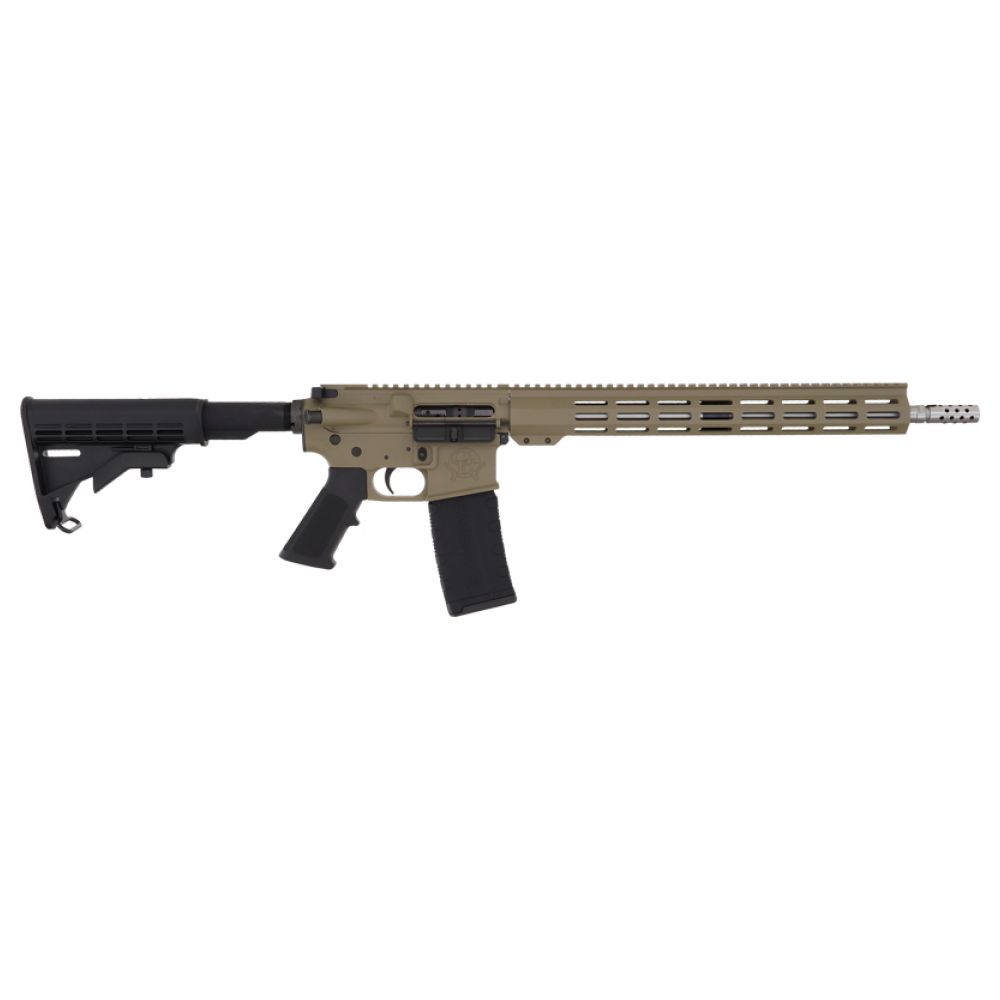
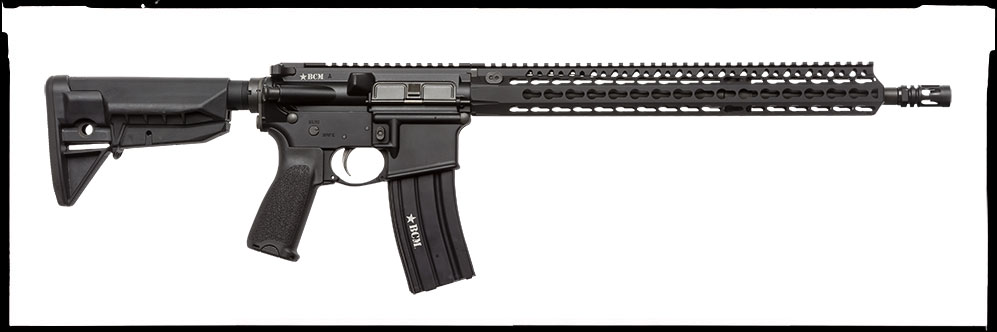
Your firearm is a tool, and you must select the right one for the job. For a defensive rifle, reliability is paramount. A quality AR-15 like the BCM RECCE-16 offers a proven gas system and barrel for sustained fire. For a handgun, consider a proven striker-fired 9mm. The platform should fit your hand and allow for a natural point of aim. Don’t get lost in customizing a range toy; start with a robust, factory-built system from a reputable manufacturer. At Highbridgearmory, we stock platforms from BCM, SOLGW, and SIG that are built for this purpose. Accessories come later. First, master the iron sights and basic manual of arms on a rifle or pistol you can trust implicitly.
3. Live Fire Fundamentals: Accuracy Under Pressure
Now you move to the range. Start slow. The goal is a perfect shot, not a fast one. Work from a ready position at 3-5 yards. Focus on a smooth, straight-back trigger press to a surprise break without disturbing the sight picture. This is where you confirm what you built in dry fire. Use a standard B-8 repair center target. Your goal should be a single, ragged hole. Once you can consistently place 10 rounds inside a 3-inch circle, introduce a shot timer or a simple par time on your phone. The beep induces stress. Start with a generous par time, like 3 seconds for a single shot, and gradually reduce it as your accuracy holds. This is where a quality trigger, like those in our triggers collection, can provide a cleaner, more predictable break, but the fundamentals must come first.
4. Building Speed and Handling Malfunctions
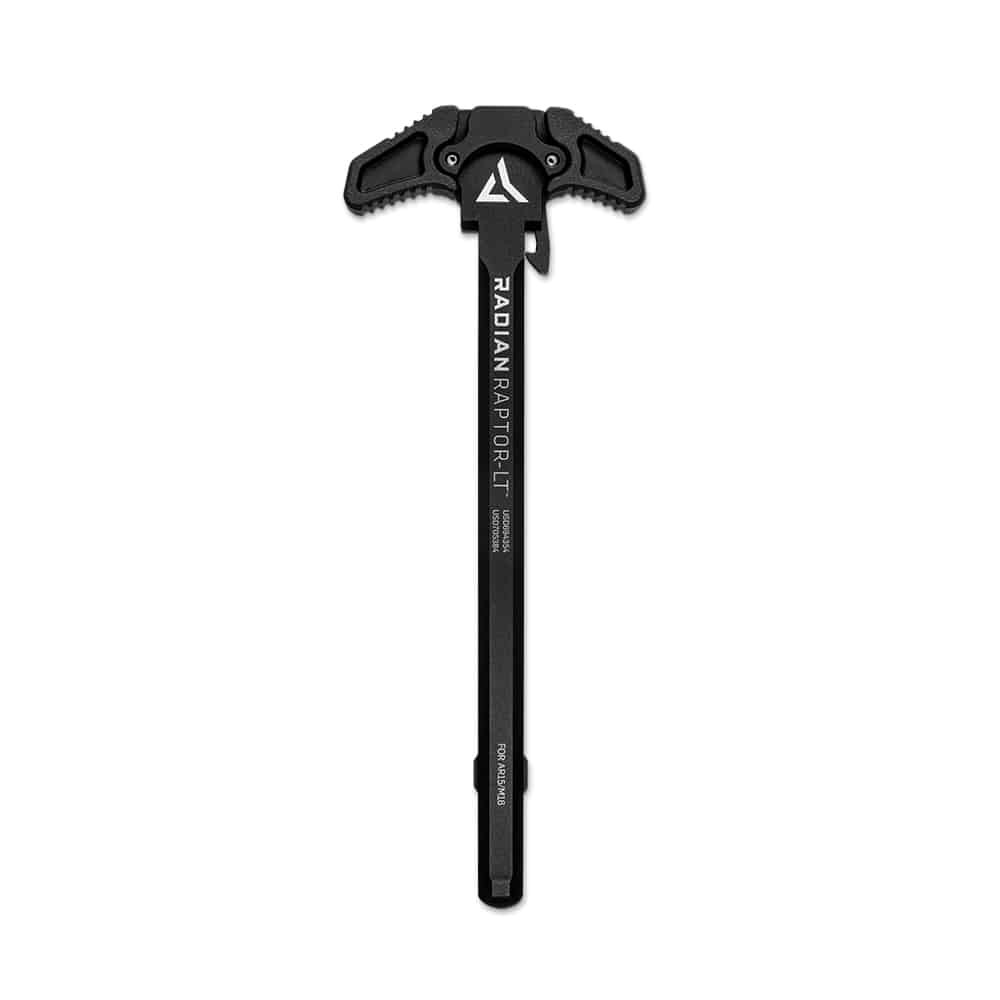
Speed is a byproduct of efficiency, not haste. Drills like the “Dot Torture” or the “El Presidente” test your ability to combine accuracy, multiple targets, reloads, and time. Set a baseline, then work to improve it by shaving tenths of a second through smoother motion. Simultaneously, you must train for failure. Have a training partner randomly induce malfunctions using dummy rounds. Practice immediate action (Tap-Rack-Bang) and remedial action (more extensive clearance drills) until they are automatic. An ambidextrous charging handle like the Radian Raptor LT can make these manipulations faster and more positive from either side. This phase is about hardening your skills against the reality of a mechanical device under stress.
5. Advanced Skills and Force-on-Force
Once you have a solid grasp of the square range, it’s time to introduce movement and decision-making. This is where professional instruction is critical. Seek out a vetted course that teaches shooting on the move, use of cover, and low-light techniques. The final, most humbling layer is force-on-force training using Simunitions or airsoft. This introduces the psychological stress of an opponent shooting back, exposing flaws in your tactics and weapon handling that static training cannot. Your gear should be fully vetted by this point; a complete lower from a builder like Sons of Liberty Gun Works ensures your rifle’s core is reliable under these dynamic conditions. This isn’t play; it’s the closest you can get to real-world pressure in a training environment.
Frequently Asked Questions
How long does firearm training take?
There is no finish line. Basic safety and competency with a specific platform can be achieved in a focused 8-16 hour course. True proficiency, where skills are reliable under stress, requires consistent practice over hundreds of hours. Maintenance training, like dry fire several times a week and live fire monthly, is a lifelong commitment for a responsible owner.
Does a firearms training certificate expire?
Typically, yes. Most formal course certificates do not have a government-mandated expiration, but reputable instructors and organizations often recommend re-certification every 2-4 years. Skills degrade without practice. For legal purposes, like a concealed carry permit, your state may require a certificate from within a specific timeframe, often 1-3 years prior to application.
Browse our firearms collection
Last updated: April 05, 2026