Precision Guided Firearms: Beyond the Hype
The first time you see a 6.5 Creedmoor round impact a 12-inch steel plate at 1,200 yards, you understand that modern precision is less about luck and more about a calculated system. That system is built on a foundation of purpose-built components, from the barrel’s rifling to the trigger’s break, all working in concert to shrink your group size. This is the reality of precision guided firearms—not science fiction, but the meticulous application of engineering and technique.
The Core Components of a Precision System
Building a rifle capable of consistent sub-MOA accuracy starts with three non-negotiable components. First is the barrel. A cold hammer-forged, chrome-lined barrel from a maker like FN or Daniel Defense provides longevity, but for pure precision, a button-rifled or cut-rifled barrel from a specialist like Proof Research or Bartlein in a heavy contour is king. The chamber and crown must be machined to exacting tolerances. Second is the trigger. A mil-spec trigger with its 7-8 lb pull and gritty break is a liability. You need a single-stage or two-stage trigger from Geissele or Timney, offering a clean, predictable break between 2.5 and 4.5 pounds. Third is the optic mount. A $3,000 scope in a $50 mount will fail. You need a one-piece mount from Badger Ordnance, Spuhr, or LaRue, torqued to spec, to maintain zero under recoil and handling. These are the pillars; everything else supports them.
Optics & Ballistics: The Guidance Computer
The rifle is the launch platform; the optic and ballistic solver are the guidance system. For long-range work, a first focal plane (FFP) riflescope with a MIL or MOA-based reticle is mandatory. The reticle’s subtensions remain true at any magnification, allowing for accurate holdovers and wind calls. Brands like Vortex Razor HD Gen III, Nightforce ATACR, and Zero Compromise Optics lead here. This is paired with a handheld ballistic computer like a Kestrel 5700 Elite with Applied Ballistics, or a quality app on your phone. You input your rifle’s specific data—muzzle velocity, bullet ballistic coefficient (BC), scope height—and it calculates the firing solution for any distance and condition. This isn’t guessing; it’s applying physics in real time.
Ammunition: The Single Biggest Variable
You can have a $10,000 custom rifle and still shoot 2 MOA with inconsistent ammunition. Precision is achieved with match-grade ammo. This means factory-loaded rounds from companies like Federal Gold Medal Match (using Sierra MatchKing bullets), Hornady ELD Match, or Berger. The key is consistency in powder charge, bullet weight, and seating depth. For the ultimate in precision, handloading is the answer. This allows you to tailor a load specifically to your rifle’s chamber, finding the optimal combination of primer, powder type and charge, and bullet seating depth (jump to the lands) that yields the smallest standard deviation in velocity and tightest groups. A variance of 10 feet per second in muzzle velocity can mean a vertical stringing of inches at 1,000 yards.
Practical Application & Training
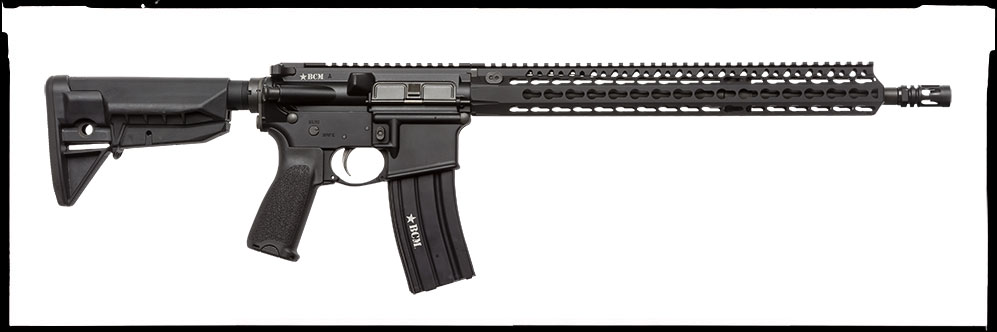
All this technology is useless without a skilled shooter who understands the fundamentals. This starts with a stable shooting position, either prone with a bipod and rear bag, or from a solid bench. Natural point of aim is critical. Then comes trigger control: a smooth, straight-back press that doesn’t disturb the reticle’s picture. Managing recoil and calling your shot—knowing exactly where the reticle was the millisecond the rifle fired—is how you learn to correct. You must also become proficient in reading wind, the greatest challenge in long-range shooting. This means using mirage, vegetation, and wind flags to estimate speed and direction at your position, at the target, and at all points in between. Dry-fire practice is free and invaluable. A platform like the BCM RECCE-16, known for its reliability, is an excellent host to train on before moving to a larger caliber precision rig.
Building vs. Buying Your Precision Rifle
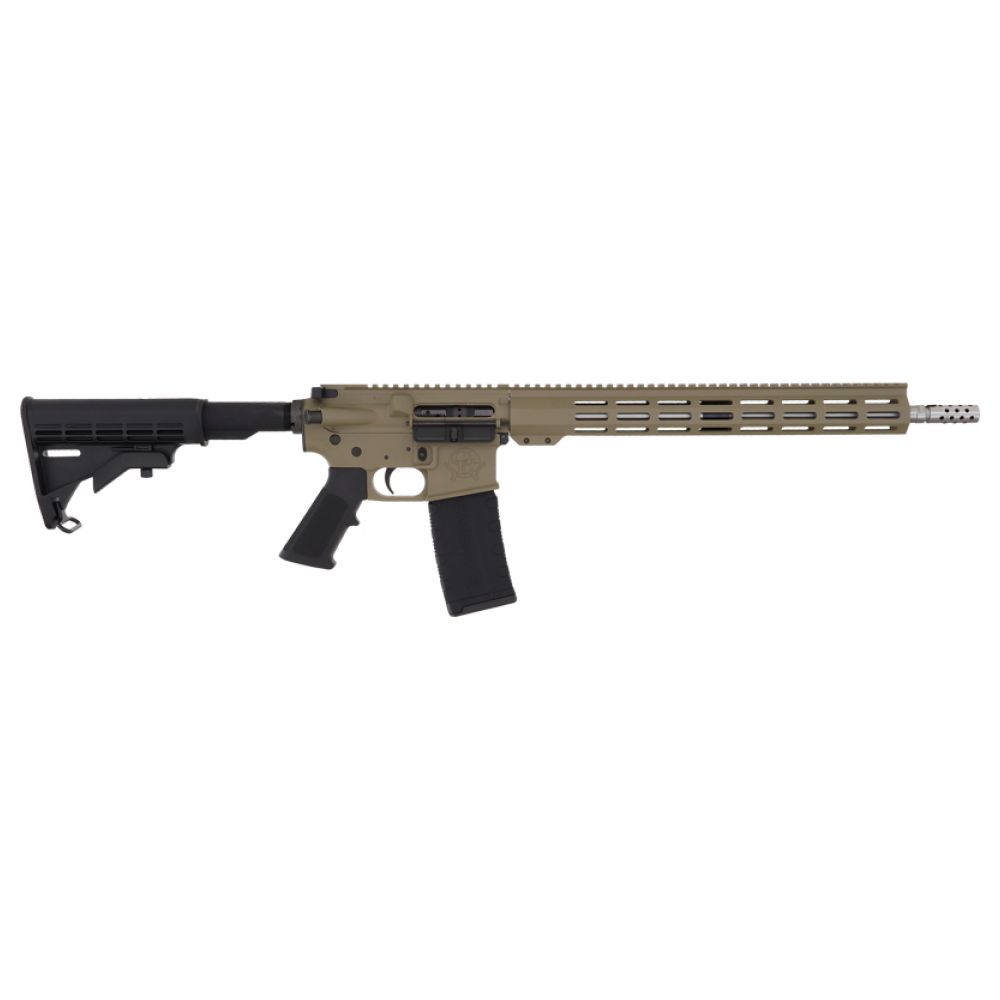
You have two paths: buy a complete precision rifle or build one. Off-the-shelf options from Accuracy International (AXMC), Desert Tech (SRS A2), or Bergara (B-14 HMR) offer proven, turn-key performance. Building allows for ultimate customization. Start with a precision action, like a Defiance Machine Tenacity or a Terminus Zeus, which is the heart of the rifle. Pair it with a pre-fit barrel from a quality maker, a chassis system from MDT or KRG, and a high-quality trigger. The advantage is tailoring every component, but it requires more technical knowledge for assembly and headspacing. For an AR-platform precision build, starting with a quality lower like the Sons of Liberty Gun Works M4-EXO2 and mating it with a matched upper receiver and free-floated handguard is a solid approach. Whether you build or buy, the goal is a rigid, repeatable system where the barrel is completely isolated from external pressure.
What is the best caliber for a beginner in precision rifle shooting?
Start with .223 Remington/5.56 NATO or 6.5 Creedmoor. The .223 is affordable, has minimal recoil, and teaches wind reading out to 600 yards. The 6.5 Creedmoor is a flat-shooting, low-recoil cartridge that excels from 300 to 1,200 yards and is the dominant caliber in PRS competitions. Avoid magnum calibers like .300 Win Mag as a first precision rifle; the recoil and cost hinder skill development.
Do I need a $3,000 scope to shoot precisely?
No, but you need a capable scope. A $800-$1,500 scope from Vortex Viper PST Gen II, Athlon Ares ETR, or Bushnell Match Pro ED will perform exceptionally well. The critical features are First Focal Plane, repeatable turrets with a solid zero-stop, and good glass clarity. Investing in a quality mount is just as important as the scope itself.
How often should I clean my precision rifle barrel?
This is debated, but a practical approach is to clean when accuracy degrades. For a copper-jacketed match bullet, you can often shoot 100-200 rounds before needing to remove copper fouling. Use a bore guide, a quality one-piece rod, and solvents like BoreTech Eliminator. Avoid over-cleaning and aggressive brushing, which can wear the crown. Many shooters find their barrels shoot best with a slight, consistent fouling layer.
Browse our firearms collection
Last updated: April 05, 2026