Firearms Offences: Federal Sentencing Guide
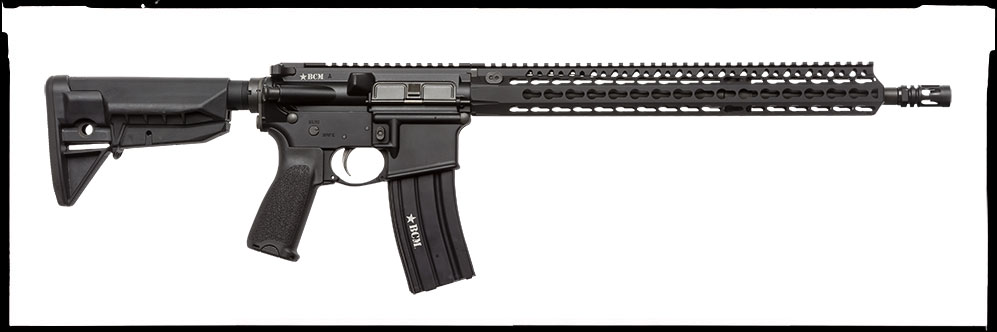
A first-time offender caught with a single, unregistered Glock switch faces a mandatory minimum of 30 months in federal prison. That’s not a typo. The sentencing guidelines for firearms offences are severe, rigid, and often misunderstood by otherwise law-abiding gun owners. This isn’t about state-level misdemeanors; it’s about federal charges that carry decade-long sentences. Understanding these laws is as critical as understanding the mechanics of your BCM RECCE-16.
The Federal Sentencing Table: How Time is Calculated
Federal judges don’t have wide discretion. They use the United States Sentencing Guidelines, a point-based grid. The “Base Offence Level” for simple unlawful possession of a firearm by a prohibited person starts at Level 14. But that’s just the floor. Specific firearm characteristics add points. A stolen firearm adds 2 levels. Having the serial number altered or removed adds 4 levels. If the firearm is described as a “semiautomatic firearm capable of accepting a large capacity magazine,” that’s another 2 levels. Your criminal history category (I through VI) is plotted against the final offence level (1-43) on the grid to produce a sentencing range in months. For example, a Level 26 offence for someone in Criminal History Category I recommends 63-78 months. Possession with intent to distribute while armed? That starts at Level 20 and skyrockets from there.
Mandatory Minimums: The Non-Negotiable Floor
Beyond the guidelines are mandatory minimum sentences set by Congress. These are non-negotiable floors. The most common is 18 U.S.C. § 924(c), which mandates a 5-year sentence for possessing a firearm in furtherance of a drug trafficking crime or crime of violence. That sentence must run consecutively to any other sentence. A second 924(c) conviction triggers a 25-year mandatory minimum, also consecutive. For possession of a machine gun or a firearm with a silencer, the mandatory minimum is 30 years. These aren’t theoretical. I’ve seen cases where a young man with a P365 in his waistband during a minor drug sale received a 5-year federal sentence on top of his state time. Ignorance is never a defense.
Prohibited Persons & The NICS Denial
Who is a “prohibited person”? It’s broader than convicted felons. The category includes anyone convicted of a crime punishable by over one year (even if a state calls it a misdemeanor), unlawful users of controlled substances, those adjudicated mentally defective, individuals subject to certain restraining orders, and more. Lying on Form 4473 (the NICS background check) is a separate federal felony punishable by up to 10 years. If you are denied a purchase at Highbridgearmory or any dealer, do not attempt to re-purchase or have a “straw buyer” do it for you. That is a fast track to indictment. The system flags these denials, and ATF follows up. The legal alternative is to seek relief from disabilities through proper channels, not to circumvent the law.
Constructive Possession & “In Furtherance Of”
You don’t need to be holding the gun to be guilty. “Constructive possession” means you had the power and intention to exercise control over it, even if it’s in a co-defendant’s car or a shared apartment. This is a critical concept for anyone who shares a range bag or vehicle. More serious is the “in furtherance of” element for a 924(c) charge. Prosecutors must prove the firearm furthered, advanced, or helped forward the underlying crime. A loaded pistol in the center console during a drug run is almost always deemed “in furtherance of.” A disassembled rifle in a locked safe at home during a tax fraud scheme likely is not. The line is fact-specific, but the government’s interpretation is aggressively broad. This is why responsible storage and transport, separate from any questionable activity, is paramount.
State vs. Federal Charges: Where You’re Prosecuted Matters
State penalties vary wildly. In some jurisdictions, carrying without a permit might be a fine. In others, it’s a felony. Federal prosecution is a different beast entirely. The feds typically take cases involving prohibited persons, drug trafficking, violent crimes, or cases with an interstate nexus (firearm moved across state lines, purchased out of state, etc.). Federal conviction rates exceed 90%, parole was abolished in 1987, and inmates serve at least 85% of their sentence. A 10-year federal sentence means 8.5 years inside, minimum. State systems often have parole, earlier release, and more rehabilitative programs. The decision of whether the ATF and U.S. Attorney’s Office pick up your case can be the single biggest factor in the outcome.
Frequently Asked Questions
What are firearm offences?
Firearm offences are violations of laws governing the possession, use, manufacture, or sale of firearms and related items. At the federal level, key statutes include unlawful possession by a prohibited person (18 U.S.C. § 922(g)), making a false statement on a background check (18 U.S.C. § 922(a)(6)), and possessing a firearm in furtherance of a drug trafficking or violent crime (18 U.S.C. § 924(c)). These are distinct from state-level infractions like permit violations.
What is the minimum sentence for a gun charge?
There is no single minimum; it depends on the specific charge. The most common federal mandatory minimum is 5 years for possessing a firearm in furtherance of a drug or violent crime under 924(c). For simple possession by a felon, there is no mandatory minimum, but the sentencing guidelines typically recommend 15-21 months for a first-time offender with a standard criminal history.
Can you get probation for a federal gun charge?
For most substantive federal firearms felonies, probation alone is highly unlikely. Mandatory minimums require prison time. Even for charges without a mandatory minimum, the Federal Sentencing Guidelines heavily favor incarceration. Probation might only be a realistic outcome for certain misdemeanors or as part of a rare, substantial assistance departure for cooperating with prosecutors.
What is a “prohibited person”?
A prohibited person is legally barred from possessing firearms or ammunition. Categories include convicted felons, unlawful drug users, individuals with certain domestic violence misdemeanors or restraining orders, those adjudicated as mentally defective or committed to a mental institution, and fugitives from justice. This status is national and is checked via the NICS system during a purchase from Highbridgearmory.
Browse our firearms collection
Last updated: April 05, 2026