Firearms Guidelines: The Four Rules
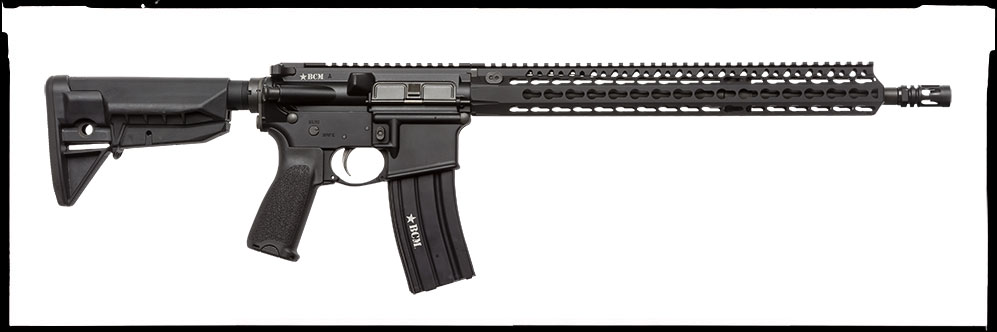
You can recite the four cardinal rules of firearm safety in your sleep, but a 2023 analysis of negligent discharges found that 87% of incidents involved a violation of Rule 2: Never let the muzzle cover anything you are not willing to destroy. Memorizing them isn’t enough; you must internalize the mechanical reality behind each one. This isn’t about theory—it’s about building a failsafe mental protocol that functions under stress, fatigue, or distraction. Let’s break down what these rules *actually* mean for handling a Bravo Company MFG RECCE-16 KMR-A Rifle at the range or a SIG Sauer P365 on your hip.
1. Treat Every Firearm as if it is Loaded
This is the foundation. The moment you assume a firearm is unloaded, you begin making exceptions to the other rules. The correct mindset is operational: you must verify the condition of the weapon with your own senses, every single time it comes into your possession. For a semi-automatic pistol, this means locking the slide back, visually and physically inspecting the chamber and magazine well. For an AR-15 platform rifle, you drop the magazine, lock the bolt to the rear, and run a finger into the chamber. This ritual isn’t just for you; it’s for anyone you hand the firearm to. At Highbridgearmory, we see this discipline as non-negotiable, whether you’re handling a budget build or a premium Sons of Liberty Gun Works M4-EXO2 lower. The mechanical action of verification builds the muscle memory that prevents tragedy.
2. Never Point the Muzzle at Anything You Are Not Willing to Destroy
Muzzle discipline is the most visible sign of a competent shooter. This rule is active 100% of the time, even when you “know” the firearm is unloaded. The muzzle’s direction is your primary safety. At a crowded public range, this means keeping your barrel pointed downrange at the berm, even during a malfunction drill or when applying a chamber flag. At home, it means being hyper-aware of muzzle orientation during dry-fire practice—never letting it sweep a wall shared with a neighbor’s house. This applies to every firearm, from a compact KelTec KP50 to a full-length rifle. The rule accounts for mechanical failure and human error; a negligent discharge pointed at a safe backstop is a reportable mistake. One pointed at a person is a life-altering catastrophe.

3. Keep Your Finger Off the Trigger Until Your Sights Are on Target
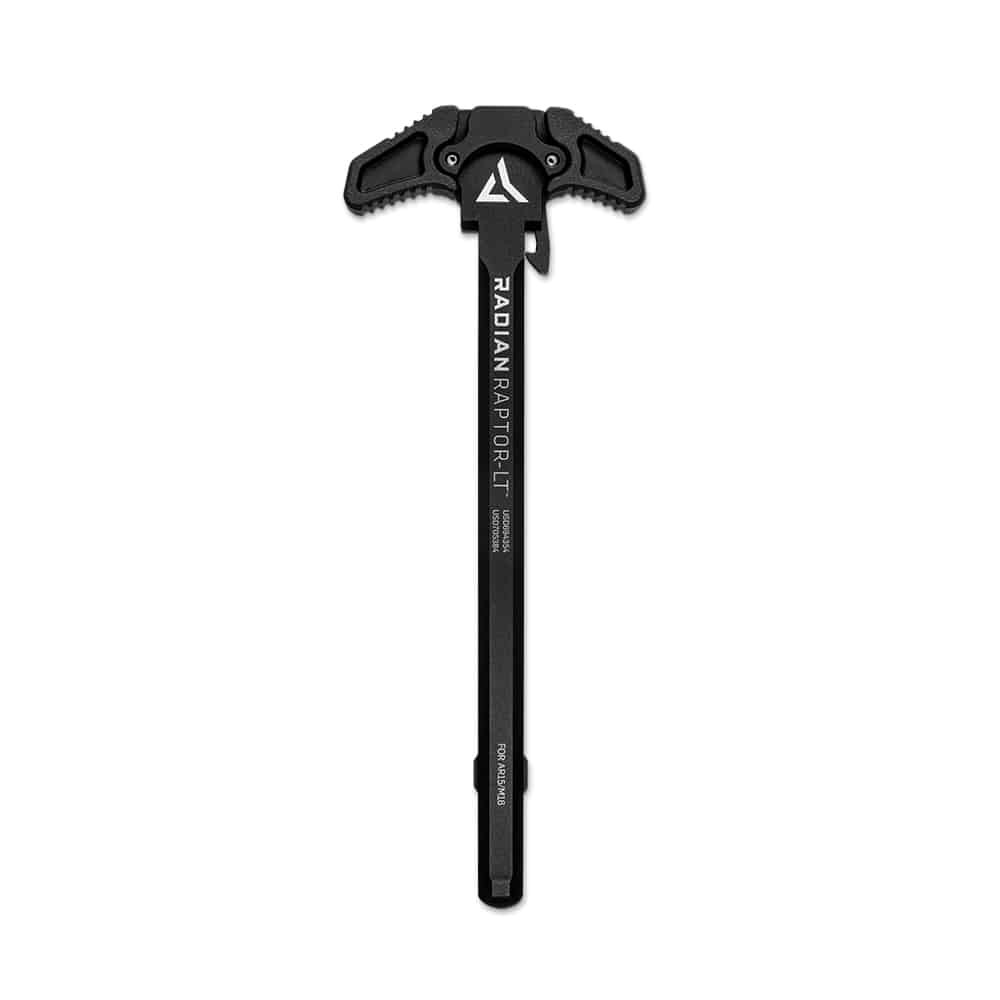
The trigger guard exists for a reason. Your finger should rest straight along the frame or receiver, above the trigger guard, until you have made a conscious decision to fire. This is a neuro-muscular habit that must be drilled. Under stress, like drawing from a holster or moving to a firing position, the natural flinch response will pull your finger into the guard. Training overrides this. Pay attention to your grip when manipulating the safety selector or using a tool like a Radian Raptor LT charging handle—your finger has no business near the trigger during these administrative actions. This rule is what separates a safe, controlled double-tap from an accidental burst. It applies universally, whether you’re running a 3.5-pound competition trigger or a standard military-spec pull.
4. Be Sure of Your Target and What is Beyond It
This rule extends your responsibility beyond the firing line. A 5.56x45mm round from an AR-15 can travel over a mile and penetrate multiple interior walls. Before you press the trigger, you must identify your target with absolute certainty and know what lies in the path of your bullet and where it will stop. At the range, this means knowing the range’s backstop construction and ensuring your lane is clear. In a defensive scenario, it is the critical factor in justifying a shot. You are accountable for every round that leaves your barrel. This rule also governs ammunition selection; understanding the penetration characteristics of your chosen load, like 9mm JHP vs. FMJ, is part of being sure. It’s the final, external check that ties all the other rules together.
Integrating the Rules into Real-World Handling
Safety isn’t a checklist; it’s a continuous process. Start by applying these rules during dry-fire practice at home. Use a dedicated, cleared space with a safe backstop (a brick fireplace, a bookcase filled with books). When transporting firearms, they should be unloaded, in a case, with the action open if possible. At Highbridgearmory, we recommend this for every firearm you transport, from our rifles collection to our handguns. When storing, use a quality safe. Remember, mechanical safeties are backup devices, not primary ones. Your primary safeties are your brain and your adherence to these four rules. They must function automatically, whether you’re cleaning a Glock, competing, or hunting. This mindset is what defines a responsible firearm owner.
Do these rules apply to a firearm with the safety engaged?
Yes, absolutely. A mechanical safety is a supplemental device that can fail. The four rules are based on human behavior and must be followed regardless of the safety’s position. Always treat the firearm as if the safety does not exist. Rule 1 and Rule 2 are in effect 100% of the time.
How do I practice muzzle discipline in a cramped home?
You must designate a “safe direction,” which is often the floor (into the foundation slab) or a specific, robust piece of furniture you’ve verified as a safe backstop. Be mindful of angles—down may be safe in a single-story home but not in an apartment. The key is conscious, deliberate handling and never allowing the muzzle to sweep an uncontrolled space.
What’s the first thing I should do when someone hands me a firearm?
Immediately and safely verify its condition yourself. Politely say, “Let me check the chamber,” or similar. Even if they just cleared it, you must perform your own safety check. This is standard protocol among experienced shooters and is not considered rude. It reinforces Rule 1 and ensures a safe transfer of control.
Browse our firearms collection
Last updated: April 05, 2026