
Massachusetts Firearms Safety Course Guide
Massachusetts law requires a Firearms Safety Course certificate for both a Firearms Identification Card (FID) and a License to Carry (LTC). Without it, you can’t legally purchase firearms or ammunition in the state. This isn’t a suggestion; it’s a mandatory step, and the curriculum is strictly defined by the Massachusetts State Police.
What the MA Safety Course Actually Covers
The Massachusetts Basic Firearms Safety Course is a minimum four-hour program. It’s not a shooting class; it’s a classroom-based legal and safety education requirement. The curriculum is mandated by the Executive Office of Public Safety and Security (EOPSS). You’ll cover the Safe Storage Law (M.G.L. c. 140 §§ 131L, 131R), the Massachusetts Assault Weapons Ban, and the legal definitions of firearms, rifles, shotguns, and ammunition. Instructors will drill you on the four cardinal rules of safety and the mechanical operation of revolvers, semi-automatic pistols, rifles, and shotguns. You’ll also get a thorough review of the application process for your FID or LTC, including the interview with your local licensing authority. Passing a written test is required to receive your certificate.
Finding a Certified Instructor & Course Types
You must take a course from an instructor certified by the Massachusetts State Police. The easiest way to find one is to visit your local gun club or range, as most host certified courses regularly. You can also check with retailers or search online directories for “MA Basic Firearms Safety Course.” Courses are offered for both initial certification and renewal. While the core curriculum is fixed, some instructors offer specialized courses that combine the MA requirement with the NRA’s Basic Pistol course, which can be beneficial. Expect to pay between $100 and $150 for the standard course. When you shop for a firearm at Highbridgearmory, having this certificate is the first step in the compliance process.
FID Card vs. LTC: What the Course Qualifies You For
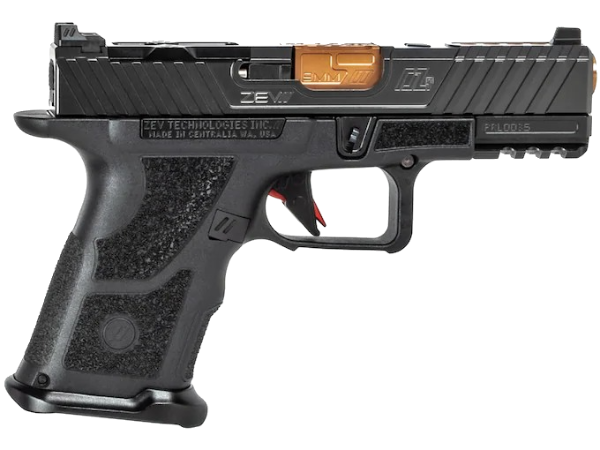
This single course qualifies you to apply for both types of licenses, but you must specify which you’re applying for. A Firearms Identification Card (FID) allows you to possess and purchase non-large-capacity rifles and shotguns, and ammunition for them. You cannot buy handguns with an FID. A License to Carry (LTC) is required to purchase, possess, and carry handguns, as well as large-capacity rifles and shotguns (those accepting more than 10 rounds). The “Class A” LTC is the most common, as it permits both possession and carrying. The safety course certificate is valid for application purposes, but your actual license is issued by your local police chief and must be renewed every six years for an LTC or every five years for an FID.
Beyond the Certificate: Practical Next Steps
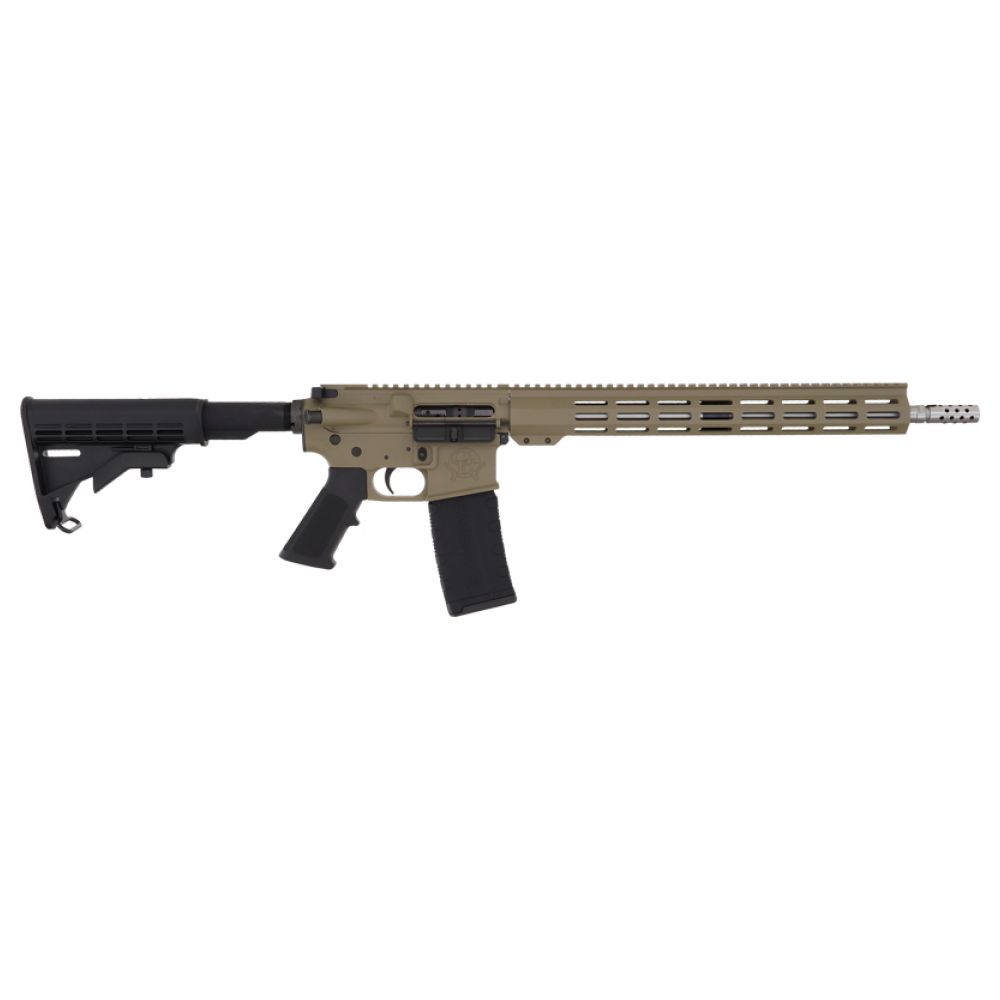
Your safety course certificate is just a license to learn. The next critical step is getting hands-on, supervised training with the specific type of firearm you intend to own. If you’re interested in a modern sporting rifle like an AR-15 platform rifle, find an instructor who specializes in carbine training. For a handgun, seek out a defensive pistol course. This is where you learn real manipulation, marksmanship fundamentals, and malfunction drills. You’ll also need to understand Massachusetts’ specific laws on transport: firearms must be unloaded and in a locked case, separate from ammunition, during transport unless you have an LTC and are carrying. Highbridgearmory ships all firearms to a licensed dealer (FFL) in your area, where you’ll complete the mandatory background check and transfer with your valid license.

Common Pitfalls and How to Avoid Them
The biggest mistake is treating the safety course as a mere formality. Pay attention, especially to the state’s complex list of prohibited firearms and the large-capacity feeding device ban. Another pitfall is waiting until the last minute to renew your license; start the renewal process months in advance. When purchasing online from a retailer like Highbridgearmory, ensure your chosen FFL holder in Massachusetts is willing to accept the transfer and is aware of all state-level restrictions—some dealers will not transfer certain AR-platform rifles or magazines. Finally, do not assume your course certificate from another state is valid; it is not. You must complete the Massachusetts-specific course.
How long is the Massachusetts safety course certificate valid?
The certificate itself does not expire for the purpose of applying for your initial FID or LTC. However, your actual license (FID/LTC) has a renewal period—six years for an LTC, five years for an FID. You will need to complete a renewal safety course, which is often shorter, prior to renewing your license.
Can I take the MA safety course online?
No. The Massachusetts State Police require the course to be taken in-person from a certified instructor. While some portions of the curriculum may be reviewed through online materials, the official certificate can only be issued after completing the mandated in-person class and passing the proctored written test.
I have an LTC from another state. Do I need this course?
Yes, if you are establishing residency in Massachusetts. Your out-of-state license is not valid for purchasing firearms in MA. You must apply for a Massachusetts LTC or FID, and the first requirement is completing the Massachusetts Basic Firearms Safety Course with a state-certified instructor.
Browse our firearms collection
Last updated: April 20, 2026