Firearms Requirements: What You Actually Need
You can’t walk into a gun store and walk out with a new rifle. The process involves a federal background check, a Form 4473, and specific state-mandated steps that vary wildly. Understanding these legal prerequisites is as critical as knowing your rifle’s twist rate.
Federal Firearms Licensee (FFL) Transfer: The Universal First Step
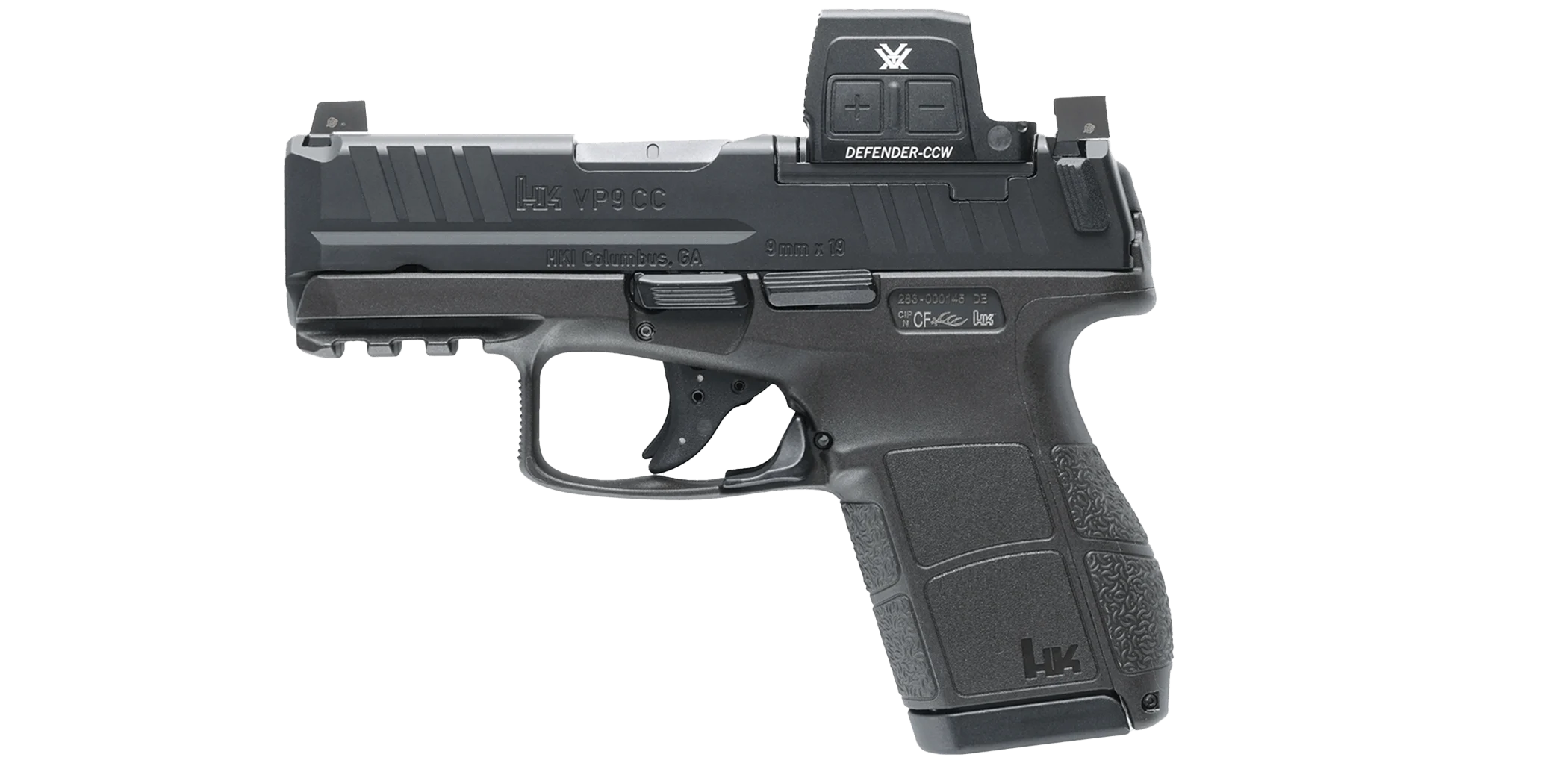
Every commercial firearm purchase from a dealer, including online retailers like Highbridgearmory, must be transferred through a Federal Firearms License holder. When you buy a firearm online, it ships to your chosen local FFL. You then go to that shop to complete the ATF Form 4473 and undergo the National Instant Criminal Background Check System (NICS) check. The FFL will not release the firearm—be it a Bravo Company MFG RECCE-16 or a compact pistol—until you pass. This is non-negotiable federal law. Have your government-issued photo ID and, if required by your state, a permit or license ready. The FFL will charge a transfer fee, typically between $25 and $75.
State & Local Laws: The Real Wild Card
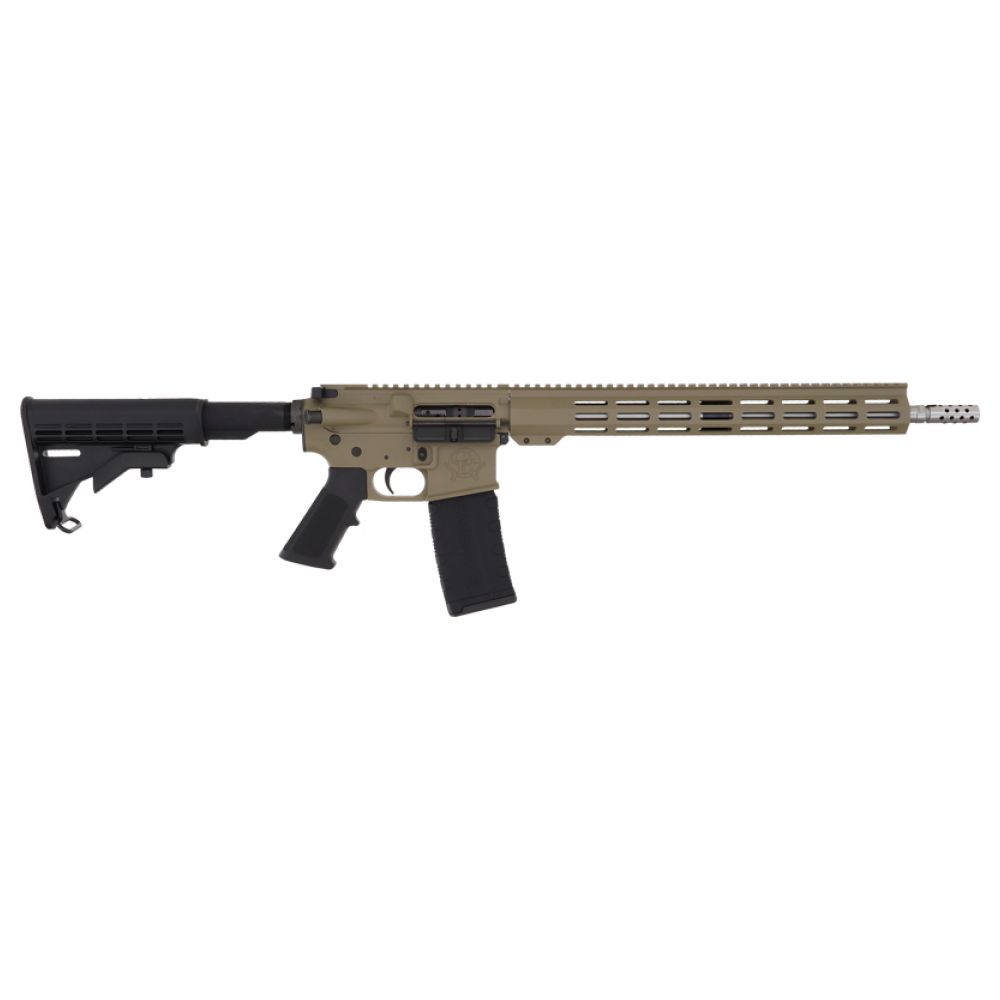
While federal law sets the baseline, state and local ordinances add layers of complexity that dictate what you can own and how you can acquire it. For example, purchasing a standard AR-15 platform rifle is straightforward in Texas but involves a Firearm Owner’s Identification (FOID) card in Illinois and may be heavily restricted in states like California or New York. Some states mandate waiting periods, safety certificate tests, or registration. Others have “assault weapon” bans that define specific features like pistol grips or threaded barrels. Before you decide on a model, you must verify it is compliant in your jurisdiction. A rifle like the FDE AR-15 Complete Rifle may need modification, such as a fixed magazine, for sale in certain states.
Age and Residency: Basic Eligibility Hurdles
Federal law establishes minimum age requirements: 21 for handguns and 18 for rifles and shotguns. However, many states have their own, sometimes stricter, age laws. You must be a resident of the state where the transfer occurs. Proving residency usually requires a state-issued driver’s license or ID with your current address. If your ID has an old address, bring supplemental documentation like a recent utility bill or vehicle registration. For purchasing certain NFA items like suppressors or short-barreled rifles, you’ll also need to submit fingerprints, a passport photo, and gain approval from your local Chief Law Enforcement Officer (CLEO), a process handled through a rifles collection dealer familiar with NFA procedures.
Prohibited Persons: Understanding the 4473 Questions
The ATF Form 4473 is a legal document. Lying on it is a felony. The form asks a series of “yes” or “no” questions to determine if you are a “prohibited person.” Key prohibitions include being a convicted felon, an unlawful user of controlled substances, subject to a restraining order, or having been adjudicated as mentally defective or committed to a mental institution. A dishonorable discharge from the military also prohibits ownership. It is your responsibility to know your status. If you are unsure about a past issue, such as a misdemeanor domestic violence conviction, consult an attorney before attempting a purchase. Passing the NICS check is the final confirmation, but the legal onus is on you to answer truthfully.
Private Party Transfers and Builds
Purchasing from a private individual (non-dealer) within your own state is generally subject to fewer federal rules, but state laws often intervene. Many states now require all transfers, even private sales, to go through an FFL for a background check. Building a firearm from an 80% lower receiver or a parts kit has different legal requirements. The moment you manufacture a functional firearm for personal use, you must serialize it according to new ATF rules if you ever plan to sell it. Building a pistol from a Sons of Liberty Gun Works M4-EXO2 Complete Lower requires it to be configured as a pistol from the start, not later converted from a rifle.
What documents do I need to buy a gun?
At a minimum, you need a valid, government-issued photo ID (like a driver’s license) proving your identity, age, and residency in the state where the transfer is occurring. Some states require additional permits or certificates. For an NFA item like a suppressor, you’ll need passport photos and fingerprint cards.
Can I buy a gun online and have it shipped to my house?
No. Federal law requires all firearms purchased from a licensed dealer, including online retailers like Highbridgearmory, to be shipped to a local Federal Firearms License (FFL) holder. You must complete the background check and paperwork in person at that FFL’s physical location before taking possession.
What disqualifies someone from passing a background check?
Major disqualifiers include felony convictions, certain misdemeanor domestic violence convictions, being a fugitive from justice, unlawful drug use, being subject to a restraining order, adjudicated mental health commitments, and dishonorable discharge from the military. The specific questions are listed on the ATF Form 4473.
Browse our firearms collection
Last updated: April 17, 2026