Posted on Leave a comment

Best Firearms to Own in 2026

MCX-SPEAR LT IR 5.56 NATO 16" - Best Price - Handguns | Highbridge Armory

Best Firearms to Own in 2026

Building a practical, effective firearms collection isn’t about hoarding; it’s about selecting versatile, reliable tools for defined roles. The right four or five guns can cover home defense, concealed carry, training, and recreation. Based on current market availability, ballistic performance, and proven track records, here are the essential firearms you should own.

The Modern Sporting Rifle: Your Foundation

No collection is complete without a modern sporting rifle, and the AR-15 platform is the undisputed king. Chambered in 5.56 NATO/.223 Remington, it offers low recoil, high modularity, and effective terminal ballistics for defense and varminting. The key is buying a quality rifle from the start. A Bravo Company MFG RECCE-16 KMR-A Rifle with its cold hammer-forged barrel and superior bolt carrier group is a benchmark for reliability. For those building, pairing a Sons of Liberty Gun Works M4-EXO2 Complete Lower with a quality upper makes for a duty-grade rifle. At Highbridgearmory, we see the AR-15 as a system, not just a firearm, which is why we stock complete rifles and critical components like the Radian Raptor LT Ambidextrous Charging Handle to enhance any build.

The Full-Size 9mm Duty Pistol

For home defense and serious training, a full-size 9mm pistol is non-negotiable. The larger frame dampens recoil, allows for a higher magazine capacity (typically 17+1), and provides a full grip for better control. Models like the Glock 17 Gen5, SIG Sauer P320, and Smith & Wesson M&P9 M2.0 are industry standards. The 9mm cartridge itself has evolved; modern hollow points from Federal, Speer, and Hornady offer consistent expansion and penetration within the FBI’s 12-18 inch gel standard. This pistol is your primary tool for defensive handgun courses and bedside duty. Its reliability under stress, ease of maintenance, and ammunition commonality make it a cornerstone. You can explore proven options in our Handguns collection.

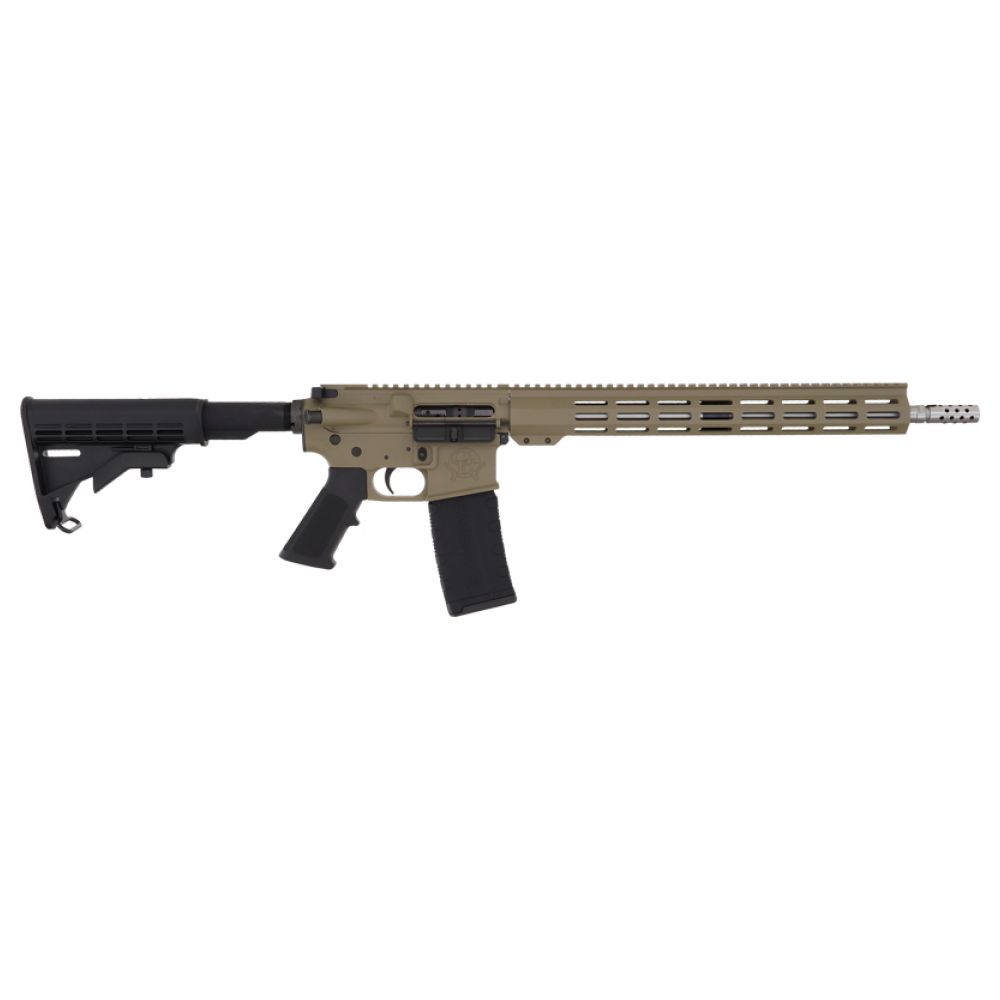
FDE AR-15 Complete Rifle Flat Dark Earth

The Compact 9mm Carry Pistol

Your full-size pistol won’t conceal easily in summer attire. That’s where the micro-compact 9mm category excels. Firearms like the SIG Sauer P365 FUSE Comp have redefined carry guns, offering 10+ rounds in a package thinner than a Glock 43. The integrated compensator on the FUSE model mitigates muzzle flip, making follow-up shots faster. Other top contenders include the Springfield Hellcat Pro and the Smith & Wesson CSX. The goal here is deep concealment without sacrificing too much shootability. A quality holster and a stiff gun belt are mandatory accessories for this piece. This is the gun you’ll have on you far more often than any other, so choose one you’ll actually carry and train with consistently.

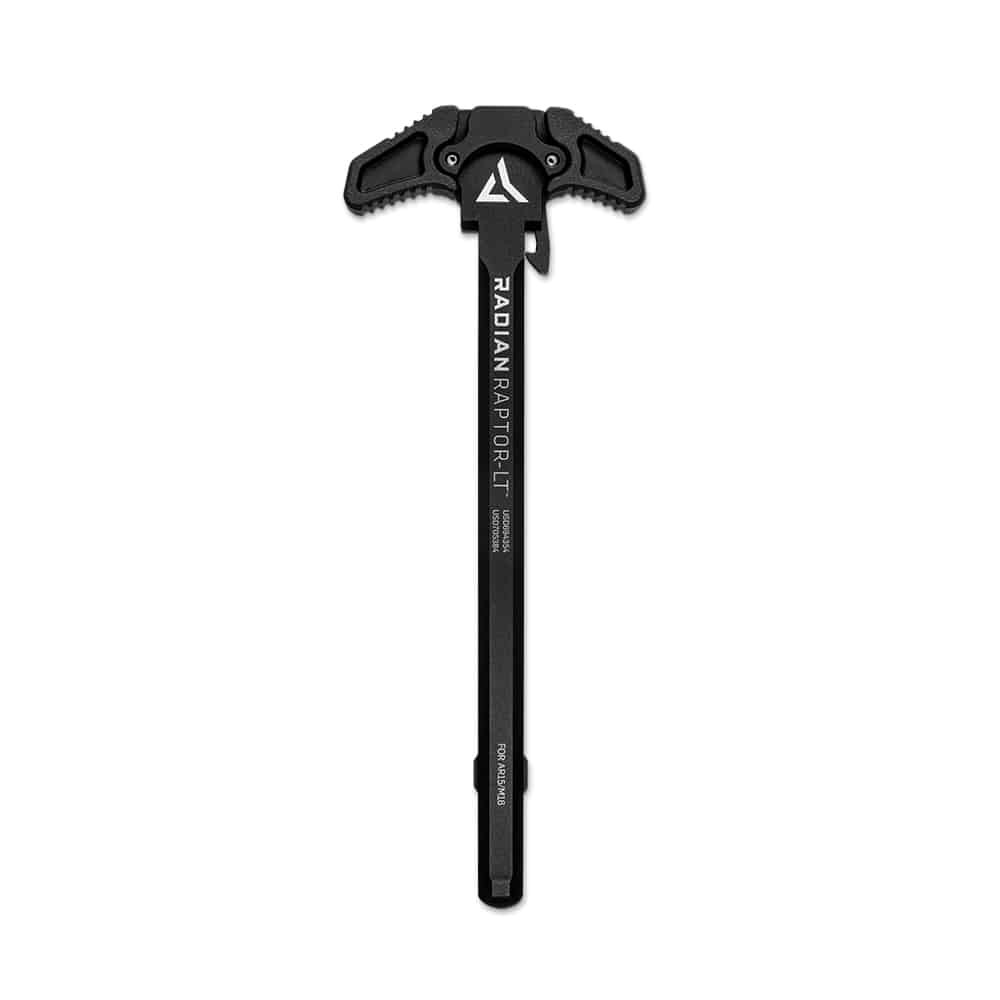
Radian Raptor LT Ambidextrous Charging Handle

The 12-Gauge Pump-Action Shotgun

For sheer stopping power at close range, nothing matches a 12-gauge shotgun. The pump-action design, like the Mossberg 500/590 or Remington 870, is legendary for its simplicity and reliability. With a standard 18.5-inch barrel, it’s maneuverable indoors. Its versatility is unmatched: load it with #00 buckshot for home defense, swap to #7.5 birdshot for clays or small game, or use a rifled slug for larger game at moderate distances. The manual action is less ammunition-sensitive than a semi-auto, cycling everything from light target loads to 3-inch magnum slugs. While it has a steeper learning curve for recoil management and manual-of-arms, its effectiveness is proven. It remains the most cost-effective tool for certain defensive and hunting scenarios.

The .22 LR Rifle for Training and Plinking

Every shooter needs a .22 LR rifle. The negligible cost of ammunition—around 8 cents per round versus 40+ cents for 5.56—allows for high-volume, fundamental practice. A Ruger 10/22 with a Tech Sights aperture sight setup is the gold standard for learning marksmanship. It teaches trigger control, sight alignment, and follow-through without flinch-inducing recoil or noise. It’s also the perfect first firearm for new shooters. The aftermarket support for the 10/22 is nearly as vast as the AR-15’s. While not a primary defensive tool, the skills it builds directly transfer to your centerfire rifles. A case of .22 LR is an investment in proficiency for your entire collection.

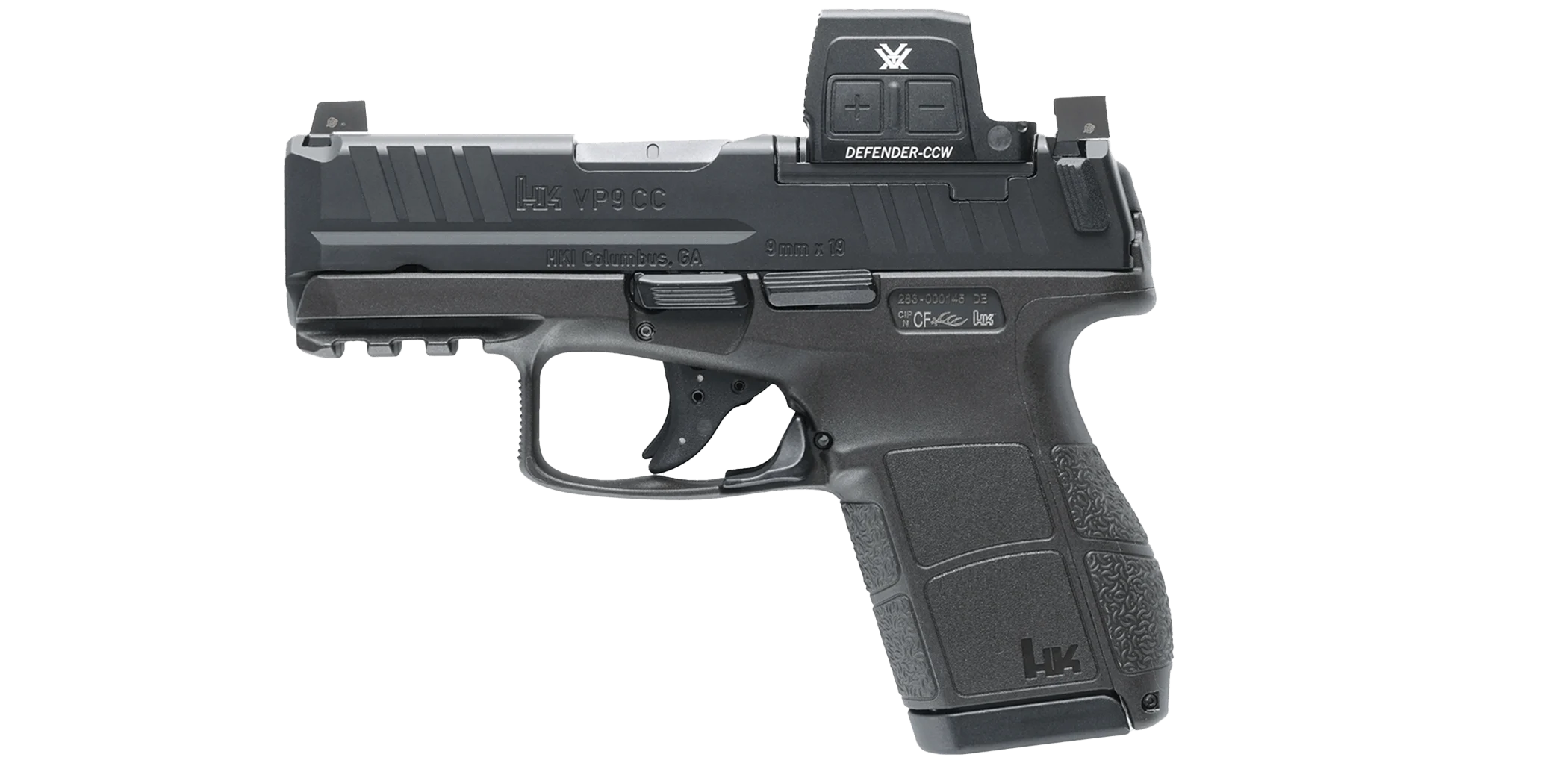
Heckler & Koch VP9CC 9mm Pistol w/ Vortex Defender CCW Red D

Beyond the Basics: Optics and Upgrades

Owning the firearm is just the start. A quality red dot sight on your AR-15, like a Holosun 515GM or an Aimpoint PRO, dramatically increases speed and accuracy. For your carry pistol, consider a factory optics-ready model like the Heckler & Koch VP9CC with a Vortex Defender already mounted. Internal upgrades matter too. A premium drop-in trigger, like those from Geissele or Timney available in our Triggers collection, improves control and precision on your AR-15. For Glock owners, exploring our Glock Switches collection can provide enhanced functionality. These aren’t just gadgets; they are force multipliers that make your foundational tools more effective.

Should my first rifle be an AR-15 or a shotgun?

For a general-purpose first rifle, the AR-15 is more versatile. It’s easier to shoot accurately, has lower recoil, holds more rounds, and is better suited for a wider range of scenarios from home defense to recreational shooting. The 12-gauge shotgun is a specialized tool with significant recoil and limited capacity, making it harder to master. Start with the AR-15.

Is 9mm enough for self-defense?

Absolutely. With modern jacketed hollow point (JHP) ammunition from major manufacturers like Federal HST, Speer Gold Dot, or Hornady Critical Duty, the 9mm meets all FBI penetration and expansion protocols. The advantages are higher capacity, lower recoil for faster follow-up shots, and lower cost for practice compared to .40 S&W or .45 ACP.

How much should I budget for a quality AR-15?

Plan on spending between $800 and $1,500 for a complete, reliable rifle from a reputable manufacturer like Bravo Company, Daniel Defense, or Sons of Liberty Gun Works. This price range gets you a cold hammer-forged barrel, a properly staked gas key, and a tested bolt carrier group—the components that define durability. Avoid bargain-bin rifles that may cut corners on these critical parts.

Browse our firearms collection

Last updated: April 14, 2026

Posted on Leave a comment

Firearms vs. Guns: What’s the Difference?

Authentic P211-GTO COMBAT - Handguns | Highbridge Armory

Firearms vs. Guns: What’s the Difference?

In a 4473 form, you’re transferring a “firearm.” At the range, you’re cleaning your “gun.” The terms are used interchangeably, but within the industry, legal system, and among serious enthusiasts, the distinction carries weight. Understanding it isn’t about being pedantic; it’s about precise communication, especially when dealing with regulations, technical specifications, or selecting the right tool for the job.

Legal Definitions and Regulatory Language

The Gun Control Act of 1968 (GCA) defines a firearm as “any weapon (including a starter gun) which will or is designed to or may readily be converted to expel a projectile by the action of an explosive.” This is the legal bedrock. When you purchase a complete AR-15 lower receiver from Highbridgearmory, the ATF considers it a firearm, even though it’s just a component. Conversely, “gun” is a colloquial term with no legal standing. In court, in legislation, and on your paperwork, “firearm” is the correct term. This precision matters for classifications: a Title I firearm (most rifles, shotguns, pistols) versus Title II items like suppressors or machine guns, which are also “firearms” under the National Firearms Act but with stricter controls. Using the correct terminology ensures you’re operating within the explicit boundaries of the law.

Technical Specificity and Industry Usage

Professionals in manufacturing, ballistics, and gunsmithing use “firearm” to denote a complete, functional system. A “gun” can refer to the broader category or specific types. For example, an artillery piece is a gun, but you’d specify a “155mm howitzer.” In the small arms world, we refer to the ZEV OZ-9C Hyper-Comp as a semi-automatic pistol—a type of firearm. The term “gun” is often used for specific actions: a bolt-action rifle, a pump-action shotgun. The nuance lies in context. When discussing headspace, chamber pressure, or locking lugs, “firearm” is the accurate umbrella term. When talking about your carry piece, “gun” is perfectly acceptable. At Highbridgearmory, our product descriptions use precise language because the details—like the difference between a striker-fired and hammer-fired system—are what informed buyers need.

FDE AR-15 Complete Rifle Flat Dark Earth

Cultural and Colloquial Context

In everyday conversation, “gun” dominates. It’s shorter, more visceral, and deeply embedded in the culture. You “go gunning” for pheasant or have a “big gun” at a competition. The media almost exclusively uses “gun,” which has shaped public perception. However, within responsible ownership circles, “firearm” often denotes a more formal, respectful, and technically accurate approach. It subtly reinforces the object as a tool with a specific purpose and serious responsibilities, rather than a generic prop. This isn’t about elitism; it’s about framing. When you’re selecting a new trigger or match-grade ammo, you’re engaging with the firearm as a precision instrument. The language reflects that mindset.

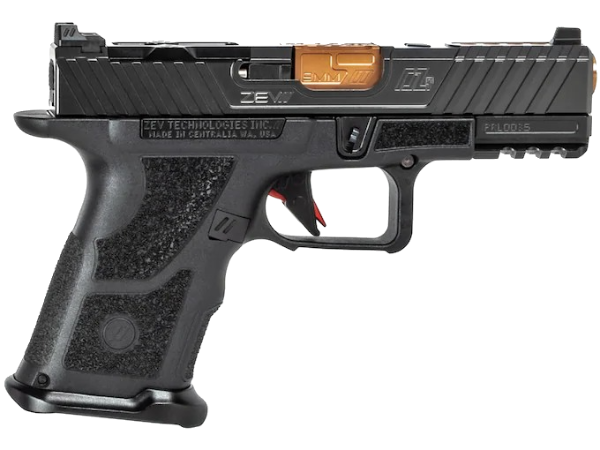
ZEV Technologies OZ-9C Hyper-Comp Semi-Automatic 9mm Pistol

Why the Distinction Matters for Buyers

For the purchaser, the difference is practical. Searching for “guns” online yields broad results. Searching for “firearms” often leads to dealers, manufacturers, and technical resources. More importantly, understanding that “firearm” is the legal term protects you. If a statute prohibits “firearms with a barrel under 16 inches,” you know that refers to rifles and shotguns as defined legally, not the colloquial “gun.” When you browse the rifles collection at Highbridgearmory, you’re looking at Title I firearms. Knowing the terminology helps you navigate regulations, understand product classifications, and communicate clearly with other enthusiasts, armorers, and legal authorities. It’s a fundamental part of being a knowledgeable owner.

Winchester Deer Season XP Ammunition 300 AAC Blackout

Final Verdict: Usage Guidelines

So, which term should you use? Here’s a simple rule set. Use “firearm” in all legal, formal, and technical contexts: on paperwork, when discussing laws, and when referring to the mechanical system as a whole. Use “gun” in casual conversation, when referring to specific types (“shotgun,” “BB gun”), or in historical/military contexts (“field gun”). There’s no penalty for using “firearm” universally—it’s always correct. The key is intentionality. Whether you’re ordering FN 5.7x28mm ammo or a new primer, using precise language ensures you get exactly what you need. At Highbridgearmory, we cater to buyers who appreciate that level of detail.

Is a pistol considered a firearm or a gun?

Legally and technically, a pistol is a type of firearm. The ATF defines a pistol as a “weapon originally designed, made, and intended to fire a projectile (bullet) from one or more barrels when held in one hand…” This falls under the broader GCA definition of a firearm. Colloquially, it’s perfectly fine to call it a gun.

Does the ATF use the word “gun” in its regulations?

No. The ATF’s regulations, rulings, and publications consistently use the term “firearm” as the legal term of art. You will not find the term “gun” used to define a regulated item in the Code of Federal Regulations (CFR). They may use it informally in public outreach materials, but the legal language is strictly “firearm.”

When buying online, should I search for “guns” or “firearms”?

For the most relevant results from serious dealers and manufacturers, use “firearms.” This will filter out more generic or non-commercial content. For example, searching for “semi-automatic firearms” will lead you to product pages for items like the handguns at Highbridgearmory, while “guns” might include news articles, videos, and forum posts.

Browse our firearms collection

Last updated: April 18, 2026

Posted on Leave a comment

What Are Firearms?

New SIG516 G3 - Handguns | Highbridge Armory

What Are Firearms?

When you pull the trigger on a 9mm pistol, a firing pin strikes the primer of a cartridge, igniting gunpowder and propelling a projectile down a barrel. That fundamental mechanical process defines a firearm. It’s a tool, a piece of machinery governed by physics and engineering, and understanding its core definition is the first step to responsible ownership and operation.

The Core Definition: A Portable Gun

Legally and mechanically, a firearm is a portable gun—a barreled weapon that uses an explosive charge to fire a projectile. The key terms are “portable” and “explosive charge.” This distinguishes firearms from artillery pieces or permanently mounted weapons. The explosive charge is almost always smokeless powder contained within a self-contained cartridge. The design is centered around a chamber that holds the cartridge under pressure and a barrel that directs the expanding gases to accelerate the bullet. Whether it’s a .22 LR rifle or a 12-gauge shotgun, every modern firearm operates on this principle. The ATF’s legal definition hinges on this: any weapon designed to expel a projectile by the action of an explosive, or even a frame or receiver that can be readily converted to function as such. This is why purchasing a complete lower receiver from Highbridgearmory requires the same background check as a finished rifle.

Primary Firearm Classifications: Handguns, Rifles, Shotguns

Firearms are categorized by design and intended use. Handguns, like the popular SIG Sauer P365 FUSE Comp, are designed to be fired with one or two hands without a shoulder stock. They include revolvers and semi-automatic pistols. Rifles are characterized by a rifled barrel (spiral grooves that spin the bullet for stability) and are fired from the shoulder. The BCM RECCE-16 is a classic example of a modern sporting rifle in this category. Shotguns typically have smoothbore barrels designed to fire shells containing multiple pellets (shot) or a single slug. The legal definitions are precise: a rifle has a barrel over 16 inches in length, a shotgun over 18 inches, and any firearm with a shorter barrel falls under the National Firearms Act as a Short-Barreled Rifle (SBR) or Short-Barreled Shotgun (SBS).

Radian Raptor LT Ambidextrous Charging Handle

Action Types: How Firearms Cycle

The “action” refers to the mechanism that handles the cartridge—loading, locking, firing, unlocking, extracting, and ejecting. Common types include bolt-action, lever-action, pump-action, and semi-automatic. Bolt-action rifles, known for precision, require manual operation of a bolt handle after each shot. Semi-automatic firearms, which encompass most modern handguns and rifles like the AR-15 platform, use the energy from the fired round to automatically cycle the action, loading the next cartridge from a magazine; one trigger pull fires one round. This is distinct from fully automatic (machine gun) fire, which is heavily regulated. Understanding the action is crucial for maintenance and operation. For instance, upgrading a component like a charging handle directly interfaces with the semi-automatic action of an AR-15.

FDE AR-15 Complete Rifle Flat Dark Earth

Key Components: From Receiver to Muzzle

Every firearm is built around critical components. The receiver or frame is the legally defined “firearm” itself—the central housing that holds the firing mechanism. The barrel provides the directed path for the bullet. The action, as discussed, is the cycling mechanism. The firing control group includes the trigger, hammer, and disconnector. Sights or optics allow for aiming. Magazines or cylinders feed ammunition. Each part has a specific engineering tolerance and purpose. For example, the quality of a barrel’s rifling and chamber directly impacts accuracy, while the geometry of a trigger in our triggers collection affects the feel and break of the shot. A complete firearm like the FDE AR-15 represents the integration of all these components into a functional system.

Ammunition: The Fuel and the Projectile

A firearm is useless without its ammunition. A cartridge is a complete unit consisting of the case, primer, propellant (powder), and projectile (bullet). Caliber refers to the approximate internal diameter of the barrel, measured in inches (e.g., .45) or millimeters (9mm). It must match the firearm’s chamber. Gauge, used for shotguns, is based on the weight of a lead ball that fits the bore. Understanding cartridge specifications like pressure (SAAMI standards) and bullet weight (grains) is essential for safe and effective shooting. The 9mm cartridge, used in pistols like those in our handguns collection, offers a balance of capacity, recoil, and stopping power that has made it the dominant service pistol caliber worldwide.

Heckler & Koch VP9CC 9mm Pistol w/ Vortex Defender CCW Red D

FAQ

What is a firearms identification card?

A Firearms Identification Card (FID or FID card) is a permit required by some states, like Massachusetts and New Jersey, to purchase, possess, or carry firearms and/or ammunition. It is separate from a permit to carry a concealed handgun. Issued by local police after a background check, an FID typically allows for the purchase of rifles and shotguns, but not handguns, which often require an additional permit.

What is firearms?

Firearms are portable barreled weapons that expel one or more projectiles through the deflagration (rapid burning) of a propellant. This mechanical definition encompasses handguns, rifles, and shotguns. Legally, the term also includes the core component, the frame or receiver, which houses the critical firing mechanisms.

What is firearms conspiracy?

Firearms conspiracy is a federal criminal charge under laws like the Gun Control Act of 1968. It involves an agreement between two or more people to commit a crime related to firearms, such as illegal trafficking, straw purchasing, or possession by a prohibited person. Prosecutors must prove the conspirators had an agreement and intended to break the law, even if the underlying crime was not completed.

Browse our firearms collection

Last updated: April 15, 2026
Posted on Leave a comment

Firearms Maintenance: A Non-Negotiable Duty

Real Buy Full Auto Glock Switch - Glock Switches | Highbridge Armory

Firearms Maintenance: A Non-Negotiable Duty

A single grain of sand in your bolt carrier group can cause a malfunction when you need your rifle most. That’s not a hypothetical; it’s a lesson learned the hard way on dusty ranges. Your firearm is a mechanical system, and like any precision tool, its reliability is directly tied to the care you provide. This isn’t about making it look pretty—it’s about ensuring it goes bang every single time you pull the trigger.

The Core Tools You Actually Need

Forget the fancy kits with 50 pieces you’ll never use. Start with the essentials. You need a solid cleaning rod—preferably a one-piece carbon fiber or coated steel rod to avoid bore damage. Get a .22, .30, and .45 caliber bronze brush, along with corresponding jag tips and patches. A quality solvent like Hoppe’s No. 9 or Break-Free CLP is mandatory for breaking down carbon and copper fouling. For lubrication, I use Lucas Oil Extreme Duty Gun Oil on sliding parts and a heavier grease like Slip 2000 EWG on high-pressure points like bolt lugs. A set of proper gunsmithing screwdrivers from Wheeler or Real Avid will prevent you from stripping screw heads. That’s the core kit. Everything else is a luxury.

The AR-15 Field Strip & Clean

Start by ensuring the weapon is clear. Depress the rear takedown pin and pivot the upper receiver open. Remove the bolt carrier group by pulling the charging handle rearward. From here, separate the bolt from the carrier by pushing out the cam pin. This gives you access to the firing pin and gas rings. Soak the bolt in solvent, scrub the carbon from the tail and gas rings with a brush, and wipe down the carrier interior. Pay close attention to the gas key—it should be staked and tight. Run a bore snake or patched rod through the barrel from the chamber end. A light coat of oil on the bolt and carrier rails, and a drop on the trigger group contact points, is all you need. Over-lubrication attracts grit.

Radian Raptor LT Ambidextrous Charging Handle

Modern Pistol Maintenance Protocol

Striker-fired pistols like the SIG P365 or a HK VP9 require a specific focus. After field-stripping per the manual, direct your attention to the striker channel in the slide. Carbon and debris can accumulate here, leading to light strikes. Use a cotton swab dampened with solvent to clean it out, followed by a dry swab. Do not oil the striker channel. For the slide, lubricate the four main rails with a thin line of oil. On the barrel, apply a light coat to the hood, lug, and exterior where it contacts the slide. The most critical step is wiping down the feed ramp—a dirty ramp is a primary cause of failure-to-feed malfunctions. A clean, lightly oiled pistol runs smoother and is more reliable for carry.

FDE AR-15 Complete Rifle Flat Dark Earth

Inspection & Long-Term Storage

Cleaning isn’t just about removing grime; it’s your chance to inspect for wear and damage. Check for cracks in the bolt lugs, especially on a high-round-count AR-15 like a BCM RECCE-16. Look for unusual wear patterns on the barrel extension and the locking lugs on your bolt. Inspect the buffer spring for set and replace it every 5,000 rounds. For long-term storage, you need to prevent corrosion. Apply a light, even coat of a quality preservative oil like Eezox or CorrosionX to all metal surfaces. Store the firearm in a silicone-impregnated gun sock or a safe with a golden rod dehumidifier. Avoid foam-lined cases for storage, as they trap moisture against the metal. A properly stored firearm from Highbridgearmory will remain ready for decades.

Heckler & Koch VP9CC 9mm Pistol w/ Vortex Defender CCW Red D

Common Mistakes & How to Avoid Them

The number one mistake is over-cleaning. Aggressive brushing with a bore brush can wear out a barrel faster than shooting it. Use a bore guide and a jag with patches for the final passes. Second is over-lubrication. Oil is not a protectant; it’s a lubricant. Excess oil will gum up in cold weather and attract abrasive particles. “Wet” is for assembly; “damp” is for operation. Third, using the wrong tools. A cheap multi-tool will mar your finish and damage screws. Invest in proper tools. Finally, neglecting magazines. Drop your mags, disassemble the followers and springs, and wipe them down every few range sessions. A failure to feed is often a dirty magazine spring. Your maintenance routine is only as strong as its weakest link.

How often should I clean my firearm?

Clean it after every range session. Fouling is acidic and attracts moisture, which leads to corrosion. For a carry pistol, a quick field strip and wipe-down every two weeks is wise to remove lint and body salts. A rifle stored in a safe can go longer between deep cleans, but a visual inspection monthly is a good habit.

Can I use WD-40 on my gun?

No. WD-40 is a water-displacing solvent and a poor lubricant. It will evaporate and leave a gummy residue that attracts dust. It is not designed for the friction and heat of firearm operation. Use a dedicated gun oil and solvent. Products like Ballistol or Break-Free CLP are formulated for this specific purpose.

Do I need to clean a brand-new firearm before first use?

>Yes, always. Factories apply preservative oils and grease for shipping that are often too thick for reliable operation. You need to remove this packing grease, lubricate the firearm properly with a quality gun oil, and inspect it for any manufacturing debris or issues before firing your first round.

Browse our firearms collection

Last updated: April 15, 2026
Posted on Leave a comment

Firearms Laws in Puerto Rico

Get 03 Glock switch: Blue Color Online - Glock Switches | Highbridge Armory

Firearms Laws in Puerto Rico

If you’re planning to bring your Glock 19 or AR-15 to Puerto Rico, you’re not dealing with a standard U.S. state’s laws. Puerto Rico operates under its own Weapons Act (Ley de Armas de Puerto Rico), which creates a distinct regulatory environment where federal law, local law, and even municipal ordinances intersect. Getting this wrong can lead to serious legal trouble, so understanding the specifics is non-negotiable.

The Legal Foundation: The Puerto Rico Weapons Act

The core of firearm regulation here is Law 168 of 2019, the Puerto Rico Weapons Act. This law establishes the permitting system and defines legal possession. A key point is that there is no “constitutional carry.” To legally possess a firearm, you must obtain a license from the Puerto Rico Police. There are several license types: the Possession License (for home/range), the Carrying License (for concealed or open carry), and the Sports Shooting License. The process involves a background check, fingerprinting, a psychological exam, and completing a certified firearms safety course. Even after you secure a firearm legally, such as a ZEV Technologies OZ-9C Hyper-Comp, you must register it with the Police within five days of acquisition.

Licensing and Permit Requirements

Navigating the permit process requires patience and precise documentation. For a Carrying License, which is “may-issue” and difficult to obtain without demonstrating a specific threat, you’ll need to submit proof of residency, passport photos, course certificates, and a detailed application. The Police have broad discretion. For a Possession License, used for keeping a firearm at your residence or transporting it unloaded and locked to a range, the requirements are slightly less stringent but still thorough. Remember, your valid license from another state or a federal FFL is not recognized as a carry permit in Puerto Rico. All transactions for firearms and ammunition, including purchases from dealers like Highbridgearmory, must go through a licensed dealer on the island for transfer and registration.

FDE AR-15 Complete Rifle Flat Dark Earth

Transporting Firearms To and On the Island

Bringing a firearm to Puerto Rico is a multi-step process governed by both federal and local law. You cannot simply pack your handgun or rifle in checked luggage and declare it upon arrival. Federal law requires you to declare firearms to the airline, which must be unloaded and locked in a hard-sided container. However, upon landing, you must immediately comply with Puerto Rico law. This means you must have a pre-obtained Puerto Rico firearms license that matches the firearm you are bringing, or you must ship the firearm directly to a licensed dealer on the island who will hold it until you obtain the proper local license. Transporting a firearm on the island without a Carrying License requires it to be unloaded, in a locked container, and separate from any ammunition, like 300 AAC Blackout rounds, with the trip being directly to and from a place of legal use (e.g., your home, a range, a gunsmith).

ZEV Technologies OZ-9C Hyper-Comp Semi-Automatic 9mm Pistol

Restricted Firearms and Prohibited Conduct

Puerto Rico law explicitly prohibits several categories of firearms and accessories. Machine guns, short-barreled rifles (SBRs), short-barreled shotguns (SBSs), and destructive devices are generally banned for civilian ownership. While certain NFA items might be federally legal with a tax stamp, local law often takes precedence and prohibits them outright. Additionally, armor-piercing ammunition is prohibited. Magazine capacity is not currently restricted by island-wide law, but this is always subject to change. Crucially, you cannot carry a firearm, even with a license, in certain locations like schools, government buildings, bars, or private property where it is posted as prohibited. Ignorance of these zones is not a defense. For compliant firearms and accessories that are legal to own and register in Puerto Rico, you can explore the selection at Highbridgearmory, but always verify local legality first.

Winchester Deer Season XP Ammunition 300 AAC Blackout

FAQs: Firearms in Puerto Rico

Can I carry a firearm in Puerto Rico?

You can only carry a firearm in Puerto Rico if you have been issued a specific Carrying License (Licencia de Portación) by the Puerto Rico Police. This is a “may-issue” license, meaning approval is not guaranteed and typically requires demonstrating a justified need beyond general self-defense. Open carry and concealed carry both require this license.

Can you carry a gun in Puerto Rico?

Carrying a gun in Puerto Rico is illegal without the proper Carrying License from local authorities. Your concealed carry permit from any U.S. state is not valid on the island. Unlicensed carry, even in your vehicle, is a serious criminal offense that can result in arrest, firearm confiscation, and felony charges.

Can you bring a firearm to Puerto Rico?

Yes, but you must follow a strict protocol. You must either possess a valid Puerto Rico firearms license before arrival and declare the firearm per airline and TSA rules, or you must ship the firearm directly to a licensed firearms dealer in Puerto Rico who will hold it until you obtain the necessary local license. You cannot legally take possession of it on the island without that license.

Browse our firearms collection

Last updated: April 18, 2026

Posted on Leave a comment

Firearms Laws: What You Must Know

[New: Smith & Wesson New Model 940-3 9mm J-Frame Snub](http://www.guns.com/news/2026/02/16/new-smith-wesson-new-model-940-3-9mm-j-frame-snub) - Ammunition | Highbridge Armory

Firearms Laws: What You Must Know

In 2023, the ATF processed over 16.6 million NICS background checks for firearm transfers. That number isn’t just a statistic; it’s a direct reflection of the complex legal framework every gun owner must operate within. Ignorance isn’t an excuse, and a single violation can result in felony charges, regardless of intent.

The Federal Foundation: NFA, GCA, and Brady Act

Federal law forms the bedrock. The National Firearms Act (NFA) of 1934 regulates machine guns, short-barreled rifles (SBRs), short-barreled shotguns (SBSs), suppressors, and destructive devices. Owning one requires submitting a Form 4, paying a $200 tax stamp, and waiting for ATF approval—a process that can take 9 months. The Gun Control Act (GCA) of 1968 prohibits certain persons from possessing firearms, including convicted felons and unlawful drug users. The Brady Handgun Violence Prevention Act of 1993 mandated the National Instant Criminal Background Check System (NICS). When you purchase a firearm from a licensed dealer like Highbridgearmory, this is the check they run. It’s instant for most, but a “delay” is not a denial.

State Laws: The Real Patchwork Problem

Federal law is just the start. State laws create a true patchwork. For example, purchasing that FDE AR-15 Complete Rifle is straightforward in Texas but involves a 10-day waiting period, background check fees, and possible roster restrictions in California. Magazine capacity bans exist in states like Colorado (15 rounds for rifles) and New York (10 rounds). “Assault weapon” bans in states like Washington and Illinois define prohibited features differently. Transporting firearms interstate requires knowing each state’s laws on concealed carry, ammunition restrictions, and whether your vehicle is considered “secured.” A California-compliant rifle is illegal in New York, and vice versa.

FDE AR-15 Complete Rifle Flat Dark Earth

Private Sales, Transfers, and “Gun Show Loopholes”

The term “gun show loophole” is a misnomer. Federal law requires all licensed dealers (FFLs) to conduct a NICS check, whether at a store or a gun show. However, private sales between two unlicensed individuals residing in the same state are generally not subject to a federal background check requirement. This is not a universal free pass. Many states, including Oregon, Colorado, and Virginia, now mandate universal background checks for all transfers, closing this so-called loophole. Furthermore, it is always illegal for a private seller to transfer a firearm to someone they know or have reasonable cause to believe is a prohibited person. Documenting private sales is a smart practice.

ZEV Technologies OZ-9C Hyper-Comp Semi-Automatic 9mm Pistol

Navigating NFA Items and Recent ATF Rules

NFA ownership is a commitment to paperwork and patience. The most common pitfall is constructing an SBR from a pistol without prior approval (Form 1). The ATF’s 2022 “Frame or Receiver” rule redefined what constitutes a firearm, impacting 80% lowers and kits. Their 2023 “Stabilizing Brace” rule attempted to reclassify millions of pistols with braces as SBRs, though it is currently enjoined by courts. If you’re building a firearm, you must know the exact point at which you’ve manufactured a “firearm” under the new definitions. Purchasing NFA items like suppressors or SBRs through a trust is popular for shared ownership, but it adds another layer of legal responsibility. Always consult the current ATF rulings before modifying a firearm.

Ammunition and Component Regulations

Laws don’t stop at the firearm. Ammunition sales face increasing scrutiny. States like California require a background check for all ammo purchases. New York bans online ammunition sales to residents entirely. Illinois requires a Firearm Owner’s Identification (FOID) card to buy ammo. Even components are targeted. Some jurisdictions restrict the sale of Large Rifle Magnum Primers or reloading presses. When you order Winchester Deer Season XP Ammunition in .300 AAC Blackout from Highbridgearmory, we are legally obligated to verify your shipping address complies with local laws. It’s your responsibility to know if you can legally possess it.

Winchester Deer Season XP Ammunition 300 AAC Blackout
Can I buy a firearm online and have it shipped to my house?

No. Federal law requires that all firearms purchased online from a licensed dealer must be shipped to a Federal Firearms License (FFL) holder in your state. You will then complete the required Form 4473 and pass a NICS background check at that local FFL before taking possession. Highbridgearmory facilitates this process seamlessly with our network of FFL partners.

What is the difference between a state’s “stand your ground” and “duty to retreat” law?

“Stand your ground” laws, found in states like Florida and Texas, remove the legal duty to retreat from a threat before using force in a place you have a right to be. “Duty to retreat” states, like New York, require you to attempt to avoid the confrontation and retreat if safely possible before using deadly force, unless you are in your own home (the “castle doctrine”). Knowing which doctrine applies in your state is critical for self-defense planning.

Are binary triggers or forced reset triggers (FRTs) legal?

The legal status is volatile and currently under intense ATF scrutiny. The ATF has classified several models of Forced Reset Triggers as “machine guns” under the NFA, making their possession a felony without proper registration. Binary triggers, which fire one round on the pull and one on the release, remain in a legal gray area but are explicitly banned in several states. You must check both federal interpretation and your specific state law. We advise extreme caution and recommend sticking with traditional trigger systems from reputable manufacturers to avoid severe legal risk.

Browse our firearms collection

Last updated: April 18, 2026

Posted on Leave a comment

Firearms in 2026: What’s Next

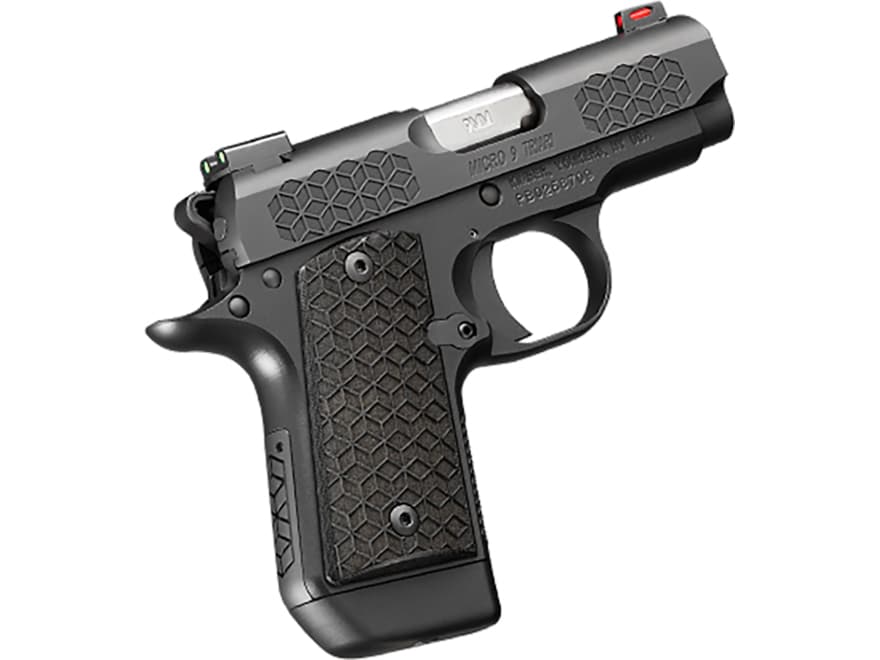
Kimber Micro 9 Triari 2026 Edition 9mm - Uncategorized | Highbridge Armory

Firearms in 2026: What’s Next

The 2025 SHOT Show floor was dominated by one thing: factory-integrated comps. From the SIG P365 FUSE to the new Springfield Echelon CS, manufacturers are betting that shooters want reduced muzzle flip straight from the box, not as an afterthought. This shift defines where the industry is headed in 2026—toward smarter, more capable, and more user-specific platforms.

The Rise of the “Do-All” Defensive Rifle

The 16-inch carbine in 5.56 NATO isn’t going anywhere, but its execution is evolving. The demand is for rifles that can credibly handle duty, home defense, and competition without modification. We’re seeing this in models like the Bravo Company RECCE-16, which pairs a cold hammer-forged barrel with a lightweight M-LOK handguard. The trend is toward mid-weight profiles, with barrels like the Criterion Core series gaining massive popularity for their balance of precision and handling. At Highbridgearmory, builds on quality forged lowers, such as the Sons of Liberty Gun Works M4-EXO2, are consistently our top sellers because they offer proven reliability as a foundation for any role.

Modularity is Now Standard

Interchangeable grip modules, pioneered by SIG’s P320, have become a baseline expectation for new striker-fired pistol designs. In 2026, this extends to chassis systems for micro-compacts and even integrated optics mounting solutions. The benefit is clear: one serialized fire control unit can be a full-size duty gun, a concealed carry piece, or a competition rig. This isn’t just about pistols, either. The AR-15 platform continues to benefit from drop-in modularity. Upgrading a charging handle, like installing a Radian Raptor LT, is a 30-second operation that significantly improves weapon manipulation, proving that user-upgradability remains a core strength of the platform.

FDE AR-15 Complete Rifle Flat Dark Earth

Concealed Carry Gets Flatter and Faster

The micro-compact revolution has plateaued on size—you can only shrink a 9mm so far—so innovation has shifted to shootability. Integrated compensators, like on the SIG P365 FUSE, are the headline, but improved triggers are the real game-changer. Stock trigger pulls on guns like the Smith & Wesson CSX are now consistently under 6 lbs with a clean break. Furthermore, the optics-ready mandate is complete. A pistol without a milled slide or adapter plates is virtually unsellable in 2026. The new standard is the enclosed-emitter red dot for carry, with models like the Holosun EPS Carry and the Vortex Defender CCW dominating holster space because they don’t collect lint.

Radian Raptor LT Ambidextrous Charging Handle

The Aftermarket Drives Refinement, Not Revolution

The era of the groundbreaking new firearm platform happens in cycles. For 2026, the action is in the aftermarket, refining the excellent platforms we already have. This means premium drop-in triggers from companies like Timney and TriggerTech that offer a 3.5-lb pull with zero creep for the Glock and SIG P320. It means sophisticated weapon lights like the Cloud Defensive Rein 3.0 that offer programmable output and superior durability. For the AR-15, it’s about parts that enhance reliability and ergonomics: ambidextrous controls, improved extractor springs, and robust bolt carrier groups. Shooters are investing in making their core guns run smoother and last longer, a trend we fully support at Highbridgearmory with our curated Triggers collection and components.

Smart Logistics and Ammo Considerations

Talk to any serious shooter or prepper right now, and the conversation isn’t just about the gun—it’s about the supply chain behind it. Caliber consolidation is a major trend. People are standardizing on 9mm, 5.56 NATO, and .308 Winchester/7.62×51 NATO. The reason is logistical simplicity: stacking deep on a few proven, widely available calibers. We’re also seeing a sustained interest in training ammunition that closely replicates duty load performance. Brands like Fenix Ammunition are filling this niche with remanufactured rounds that mimic the recoil impulse and point of impact of common defensive loads like Federal HST, making quality practice more affordable.

Heckler & Koch VP9CC 9mm Pistol w/ Vortex Defender CCW Red D
What’s the most significant handgun trend for 2026?

Without a doubt, it’s the factory-integrated compensator on compact and micro-compact models. Guns like the SIG P365 FUSE and Springfield Echelon CS are shipping with comps machined directly into the slide or barrel. This gives shooters reduced muzzle flip and faster follow-up shots without adding length to the slide, preserving concealability. It’s a direct response to the market wanting maximum performance from minimal size.

Is the AR-15 platform still worth investing in?

Absolutely. The AR-15 in 5.56/.223 remains the most versatile, customizable, and logistically supported rifle platform in the US. The innovation hasn’t stopped; it’s just focused on refinement. We’re seeing better barrel steels, more durable coatings, and smarter furniture. Starting with a quality complete rifle or a matched upper/lower set from a brand like BCM or Sons of Liberty Gun Works gives you a rock-solid foundation you can configure for any task, from home defense to precision shooting. Check out our current Rifles collection to see the latest.

What should I look for in a concealed carry pistol this year?

Prioritize these three features: 1) An optics-ready slide cut for an enclosed-emitter red dot (like the Holosun EPS or Vortex Defender). 2) A good stock trigger—look for a pull weight around 5-6 lbs with a definitive wall and clean break. 3) A design that accommodates a weapon light. Size is personal, but the “micro-compact” category (like the P365, Hellcat, Shield Plus) dominates for a reason. Consider a model like the HK VP9CC with an optic package for a superb out-of-the-box carry solution available at Highbridgearmory.

Browse our firearms collection

Last updated: April 17, 2026

Posted on Leave a comment

Weapon Inspect in Cyberpunk 2077

GLOCK G34 GEN4 MOS - Handguns | Highbridge Armory

Weapon Inspect in Cyberpunk 2077

In Cyberpunk 2077, the weapon inspect animation isn’t just a cosmetic trick. It’s a direct nod to real-world firearms handling, triggered by holding down the Alt key on PC or double-tapping the Triangle/Y button on console. This mechanic reveals intricate details on your in-game arsenal, from the serial number on a Malorian Arms 3516 to the wear patterns on a Unity pistol. For anyone who handles real steel, the parallels to a basic safety check are immediate.

The Real-World Inspection Behind the Animation

When you trigger the inspect animation in-game, V performs a visual check, rotating the firearm to view its sides. In reality, this mirrors the first step of a safety inspection: verifying the chamber is clear and the weapon is unloaded. For a modern striker-fired pistol like the ZEV OZ-9C, you’d drop the magazine, lock the slide to the rear, and physically look and feel for a round. The game’s animation captures the spirit of this, focusing on the weapon’s aesthetics and condition. It’s a detail that resonates because the developers clearly referenced actual firearms handling. The wear, scratches, and custom engraving you see are a digital form of the “character” real guns get from use, maintenance, and modification.

Platform Controls: PC vs. Console

The input method changes, but the principle doesn’t. On PC, the default keybind is to hold the Left Alt key while the weapon is drawn. This allows for a steady, prolonged look at your piece. On PlayStation 5 and Xbox Series X/S, you double-tap the Triangle or Y button, respectively. The console method can feel slightly less intuitive, requiring a quick, precise double-press. Some players remap this to a hold function via accessibility settings for a more reliable trigger. It’s worth noting that the animation won’t work if you’re in a menu, mid-reload, or performing another action. Just like a real safety check, you need a moment of focused attention.

FDE AR-15 Complete Rifle Flat Dark Earth

Why the Details Matter to Shooters

For firearms enthusiasts, the meticulous detail in Cyberpunk 2077’s weapons is a major draw. You can see the difference between a polymer-frame pistol and a heavy revolver’s machined steel. This attention to detail extends to real-world shopping. When you’re inspecting a potential purchase at Highbridgearmory, you’re looking for similar hallmarks of quality: proper fit, finish, and manufacturer markings. The game’s “Kongou” pistol might have a fictional manufacturer logo, but in reality, you’re checking for “FN” or “Glock” on the slide. The wear states in-game—from “Pristine” to “Broken”—parallel how we judge a used firearm’s condition, checking for slide wear, barrel erosion, and frame integrity.

ZEV Technologies OZ-9C Hyper-Comp Semi-Automatic 9mm Pistol

From Digital to Reality: Applying Inspection Principles

The game ends at a visual showcase, but real-world inspection is a tactile, multi-step process. After ensuring the firearm is clear, you’d function-check the safety, trigger, slide release, and magazine catch. You’d inspect the barrel’s rifling for sharpness and check for cracks or unusual wear on critical components. This is especially important when building a platform like an AR-15. Every part, from the trigger group to the barrel nut, needs verification for proper installation and torque. Highbridgearmory ensures every firearm ships ready for this level of scrutiny, providing the same confidence you get from a perfectly rendered in-game icon.

Winchester Deer Season XP Ammunition 300 AAC Blackout

FAQ: Weapon Inspect in Cyberpunk 2077

How to weapon inspect in Cyberpunk 2077?

To inspect your weapon, you must have it drawn and be in a neutral state (not aiming, shooting, or reloading). On all platforms, the action is performed by holding down the designated button. It’s a purely visual feature to appreciate your weapon’s model and cosmetic condition.

How to weapon inspect in Cyberpunk on PS5?

On PlayStation 5, double-tap the Triangle button. The timing needs to be quick and precise. If you find the double-tap unreliable, you can often remap it to a hold function within the console’s accessibility settings for a more consistent result.

How to weapon inspect in Cyberpunk on PC?

On PC, the default keybind is to hold the Left Alt key. This is typically the most reliable method. You can change this binding in the game’s Keyboard controls settings under the “Weapon” or “General” action categories if you prefer a different key.

Browse our firearms collection

Last updated: April 18, 2026

Posted on Leave a comment

Essential Firearm Tips for Every Owner

Real Buy Full Auto Glock Switch - Glock Switches | Highbridge Armory

Essential Firearm Tips for Every Owner

A dirty extractor claw is the number one cause of malfunctions in an otherwise reliable AR-15. That’s not a guess; it’s a diagnosis from clearing hundreds of stoppages on the range. Owning a firearm is a responsibility that extends beyond the purchase. Performance, safety, and longevity are dictated by your knowledge and habits. These tips are born from direct experience, not theory.

Master the Four Fundamentals of Marksmanship

Accuracy isn’t magic; it’s mechanics. The four fundamentals—steady position, proper sight alignment, correct trigger control, and follow-through—are non-negotiable. Most shooters fail on trigger control, jerking the trigger instead of applying a smooth, rearward press straight to the rear. Dry fire is your most valuable tool here. With an unloaded firearm, practice pressing the trigger until the break happens as a surprise. For a rifle like the Bravo Company MFG RECCE-16 KMR-A Rifle, a consistent cheek weld and natural point of aim are just as critical as the trigger press. A flinch, caused by anticipating recoil, will destroy your groups. Use snap caps mixed randomly into your magazine during live fire to diagnose it.

Develop a Realistic Cleaning Protocol

Forget the “clean after every range trip” dogma if you’re running quality gear. Over-cleaning, especially with metal brushes and aggressive solvents, causes more wear than shooting. For a modern striker-fired pistol like a Glock or SIG, a basic field strip, wipe-down of major components, and a light re-lube after 500-1000 rounds is often sufficient. The critical areas are the feed ramp, barrel hood, and any friction surfaces on the slide rails. For an AR-15, focus on the bolt carrier group: carbon on the bolt tail, the gas rings, and the extractor claw. Run a bore snake through the barrel. A heavily fouled chamber can cause extraction failures. A properly maintained rifle, like the FDE AR-15 we stock, will run for thousands of rounds with minimal intervention.

FDE AR-15 Complete Rifle Flat Dark Earth

Upgrade with Purpose, Not Hype

The aftermarket is full of solutions for problems you don’t have. Identify your actual needs first. For a defensive handgun, your first three investments should be professional training, a weapon-mounted light (like a Streamlight TLR-7A or SureFire X300), and quality defensive ammunition. Then, consider sights. For an AR-15, the most impactful upgrades, in order, are a quality trigger, a sling, and an optic. A good two-stage trigger, like a Geissele SSA-E, fundamentally improves control. A simple but robust ambidextrous charging handle, like the Radian Raptor LT, is a force multiplier for malfunction clearance. Browse our Triggers collection for vetted options. Avoid gimmicks that compromise reliability.

Radian Raptor LT Ambidextrous Charging Handle

Practice Malfunction Drills Under Stress

A failure to fire isn’t an abstract concept; it’s a physical problem you must solve instantly. The three most common malfunctions are the failure to fire (dud round), failure to eject (stovepipe), and failure to feed (double feed). Each has a specific, immediate drill. For a failure to fire: Tap the magazine to ensure it’s seated, rack the slide to eject the dud, and immediately fire. Practice this until it’s muscle memory. For a modern carry pistol like the SIG Sauer P365 FUSE Comp or an optics-ready model like the HK VP9CC, ensure your drills account for the red dot’s window potentially being obstructed by a spent casing. Use dummy rounds to safely induce these malfunctions during practice. Your gear at Highbridgearmory is built to run, but you must be built to clear.

Understand Ammunition Selection and Storage

Not all 9mm or .223 Remington is the same. Full Metal Jacket (FMJ) is for training. Jacketed Hollow Point (JHP) is for defensive use—its designed expansion is critical for responsible defensive shooting. Do not use FMJ for home defense. Store ammunition in a cool, dry place. Avoid temperature swings and humidity. Label your magazines: “124gr JHP” or “55gr FMJ” with tape to avoid mixing. For rifles, understand that 5.56x45mm NATO generates higher pressure than .223 Remington; a .223-chambered rifle should not fire 5.56mm, but a 5.56mm chamber can safely fire both. Always verify your firearm’s chambering, which is stamped on the barrel. Using the wrong ammunition is a catastrophic failure waiting to happen.

Heckler & Koch VP9CC 9mm Pistol w/ Vortex Defender CCW Red D
How often should I lubricate my firearm?

Lubricate when the metal friction surfaces look dry, not necessarily after every cleaning. For a pistol, a small drop on each slide rail and on the barrel hood where it contacts the slide is sufficient. For an AR-15 bolt carrier group, apply a light coat to the body and a small amount on the cam pin. Over-lubrication attracts grit and creates a mess. If you shoot in extremely dusty conditions, use less lube. A properly fitted rifle like a Sons of Liberty Gun Works M4-EXO2 will run efficiently with minimal lubrication.

What’s the best way to break in a new barrel?

The “barrel break-in” ritual of shooting one round and cleaning for 50 rounds is largely myth for modern, quality barrels. For a precision rifle, firing 20-50 rounds to settle the barrel and copper foul it uniformly can help accuracy stabilize. For a defensive carbine or pistol, simply go shoot it. Clean it initially to remove factory preservatives, then put 200-300 rounds of quality ammunition through it to ensure reliability. The break-in is for you to learn the firearm, not the other way around.

Should I use aftermarket magazines?

This is a reliability-first decision. For Glock, SIG P320/P365, and AR-15 platforms, factory magazines (Glock, SIG, Magpul PMAG, Okay Industries SureFeed) are the gold standard. Aftermarket magazines are often cheaper but can be the weakest link. For life-saving equipment, stick with proven, factory-original magazines or those from elite manufacturers like Magpul. We vet the accessories at Highbridgearmory, including our Glock Switches collection, for this exact reason. Your magazine is your firearm’s feeding system; don’t compromise it.

Browse our firearms collection

Last updated: April 17, 2026

Posted on Leave a comment

The Essential Firearms Guide Book

P229 Equinox Elite Compact For Sale - Ammunition | Highbridge Armory

The Essential Firearms Guide Book

You’re holding a new Springfield Hellcat Pro, but the manual only covers basic disassembly. To truly understand its ballistics, compatible optics, or how its recoil impulse compares to a Sig P365 XL, you need deeper knowledge. That’s where a dedicated firearms guide book becomes an indispensable tool, moving beyond manufacturer pamphlets to provide actionable, technical data.

Beyond the Manual: What a Real Guide Provides

A manufacturer’s manual tells you how not to void the warranty. A proper guide book, like those from publishers like Gun Digest or Paladin Press, delivers context. It breaks down the operating principles of different action types—comparing the tilting barrel of a Browning Hi-Power to the fixed barrel of a Beretta 92FS. It provides detailed ballistic tables for cartridges like the 5.7×28mm, showing real-world velocity drops at 100 yards, not just theoretical muzzle energy. This is the information that informs purchasing decisions, like choosing between a ZEV OZ-9C for competition or a stock Glock 19 for duty. At Highbridgearmory, we see informed buyers who cross-reference guide data with product specs before purchasing.

Critical Knowledge: Ballistics, Trajectory, and Terminal Performance

Understanding that a 55-grain .223 Remington round behaves entirely differently than a 77-grain OTM load is fundamental. A quality guide book will have chapters dedicated to external ballistics, explaining how bullet coefficient (BC) and velocity influence trajectory. It will detail terminal performance, explaining why a Winchester Deer Season XP 300 Blackout round is engineered for controlled expansion on medium game, while full metal jacket (FMJ) is for range use. This knowledge directly impacts your choice of ammunition, whether you’re stocking up on Hornady Custom for precision or FN 5.7x28mm for a unique PDW platform.

FDE AR-15 Complete Rifle Flat Dark Earth

Maintenance Procedures You Won’t Find Online

While YouTube has a video for everything, a guide book offers standardized, vetted procedures. It provides step-by-step, illustrated instructions for tasks like diagnosing light primer strikes, properly stoning a sear for a cleaner break, or timing a barrel nut on an AR-15 platform. This is crucial for working on components like aftermarket triggers or understanding the proper torque specs for a free-float handguard on a rifle like the FDE AR-15. It’s reference material you can keep on your bench without worrying about an internet connection.

ZEV Technologies OZ-9C Hyper-Comp Semi-Automatic 9mm Pistol

Navigating Laws and Safe Handling Fundamentals

The best technical knowledge is useless without a foundation in safety and legality. A comprehensive guide dedicates significant space to the four universal safety rules and their practical application on the range and at home. Furthermore, it outlines the federal legal framework, such as the differences between a Title I firearm and an NFA item, and stresses the absolute necessity of knowing your state and local laws. This foundational knowledge is as critical as knowing how to properly seat Large Rifle Magnum Primers for a consistent burn.

Winchester Deer Season XP Ammunition 300 AAC Blackout

Building a Reference Library for the Long Term

Your first firearm guide shouldn’t be your last. Start with a general reference like the “Gun Digest Book of Modern Gun Values” for identification and specs, then add specialized volumes. Consider a reloading manual from Hodgdon or Lyman for handloading data, or a gunsmithing guide from Kuhnhausen for specific platforms. This library, paired with hands-on experience, transforms you from an owner into a proficient user. It allows you to confidently assess any firearm in our full catalog, from a classic 1911 to the latest in our rifles collection.

Frequently Asked Questions

Does Big 5 do firearm safety certificate?

No, Big 5 Sporting Goods does not administer the Firearm Safety Certificate (FSC) test in California. The FSC test must be taken at a state-certified instructor or at a licensed firearm dealer with a certified tester on staff. You will need your FSC before you can complete a purchase at any dealer, including Big 5.

How many gun laws are on the books?

There is no single count, as laws exist at federal, state, and local levels. Federally, there are over 300 statutes, including the Gun Control Act of 1968 and the National Firearms Act. When combined with thousands of varying state and local ordinances, the total number of firearm laws in the United States reaches into the tens of thousands, making legal knowledge specific to your jurisdiction essential.

Browse our firearms collection

Last updated: April 19, 2026