Firearms vs. Guns: What’s the Difference?
In a 4473 form, you’re transferring a “firearm.” At the range, you’re cleaning your “gun.” The terms are used interchangeably, but within the industry, legal system, and among serious enthusiasts, the distinction carries weight. Understanding it isn’t about being pedantic; it’s about precise communication, especially when dealing with regulations, technical specifications, or selecting the right tool for the job.
Legal Definitions and Regulatory Language
The Gun Control Act of 1968 (GCA) defines a firearm as “any weapon (including a starter gun) which will or is designed to or may readily be converted to expel a projectile by the action of an explosive.” This is the legal bedrock. When you purchase a complete AR-15 lower receiver from Highbridgearmory, the ATF considers it a firearm, even though it’s just a component. Conversely, “gun” is a colloquial term with no legal standing. In court, in legislation, and on your paperwork, “firearm” is the correct term. This precision matters for classifications: a Title I firearm (most rifles, shotguns, pistols) versus Title II items like suppressors or machine guns, which are also “firearms” under the National Firearms Act but with stricter controls. Using the correct terminology ensures you’re operating within the explicit boundaries of the law.
Technical Specificity and Industry Usage
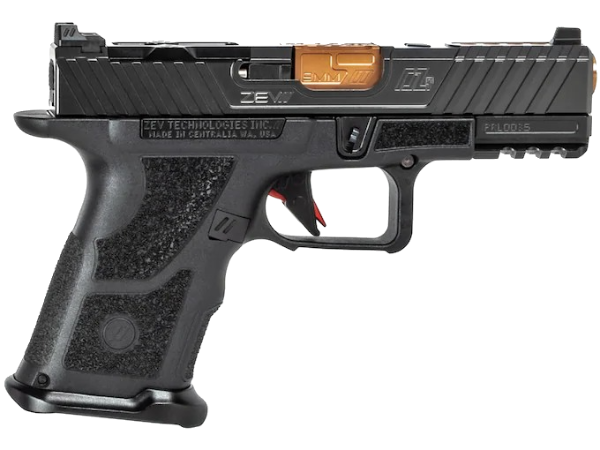
Professionals in manufacturing, ballistics, and gunsmithing use “firearm” to denote a complete, functional system. A “gun” can refer to the broader category or specific types. For example, an artillery piece is a gun, but you’d specify a “155mm howitzer.” In the small arms world, we refer to the ZEV OZ-9C Hyper-Comp as a semi-automatic pistol—a type of firearm. The term “gun” is often used for specific actions: a bolt-action rifle, a pump-action shotgun. The nuance lies in context. When discussing headspace, chamber pressure, or locking lugs, “firearm” is the accurate umbrella term. When talking about your carry piece, “gun” is perfectly acceptable. At Highbridgearmory, our product descriptions use precise language because the details—like the difference between a striker-fired and hammer-fired system—are what informed buyers need.
Cultural and Colloquial Context
In everyday conversation, “gun” dominates. It’s shorter, more visceral, and deeply embedded in the culture. You “go gunning” for pheasant or have a “big gun” at a competition. The media almost exclusively uses “gun,” which has shaped public perception. However, within responsible ownership circles, “firearm” often denotes a more formal, respectful, and technically accurate approach. It subtly reinforces the object as a tool with a specific purpose and serious responsibilities, rather than a generic prop. This isn’t about elitism; it’s about framing. When you’re selecting a new trigger or match-grade ammo, you’re engaging with the firearm as a precision instrument. The language reflects that mindset.
Why the Distinction Matters for Buyers
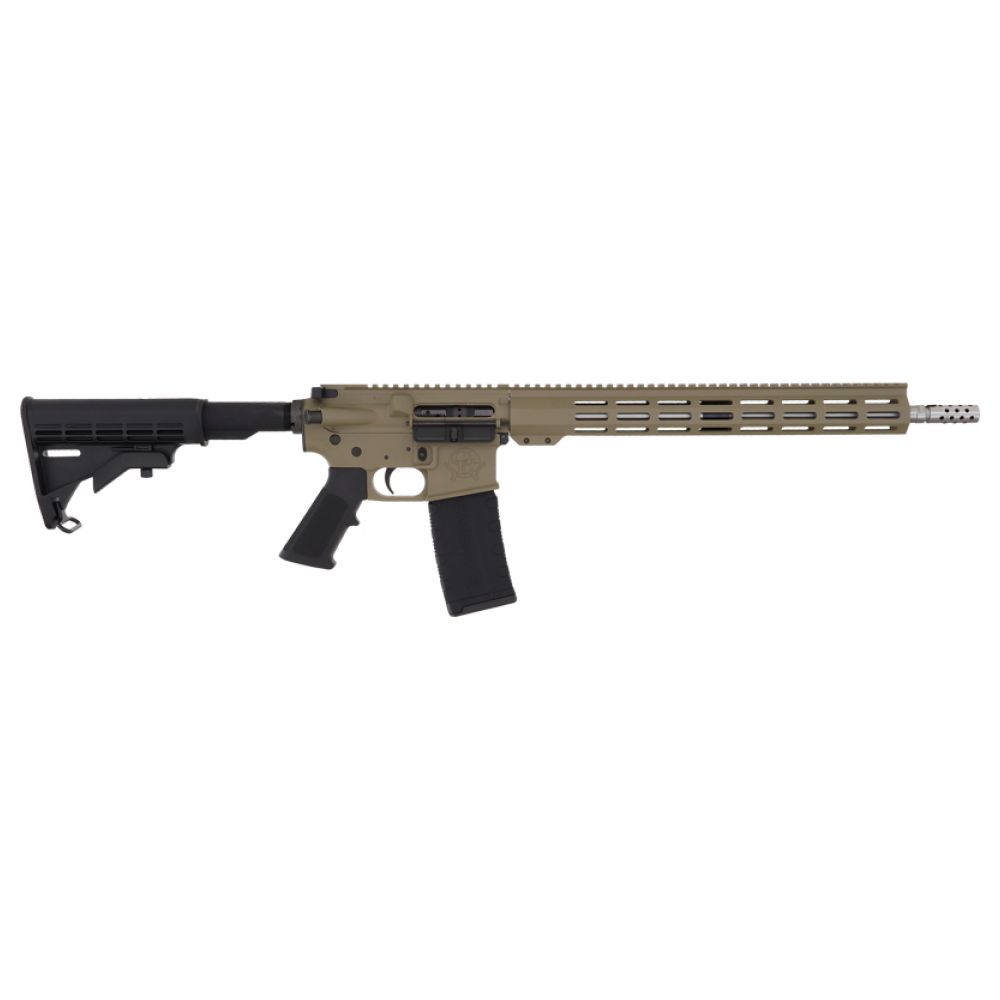
For the purchaser, the difference is practical. Searching for “guns” online yields broad results. Searching for “firearms” often leads to dealers, manufacturers, and technical resources. More importantly, understanding that “firearm” is the legal term protects you. If a statute prohibits “firearms with a barrel under 16 inches,” you know that refers to rifles and shotguns as defined legally, not the colloquial “gun.” When you browse the rifles collection at Highbridgearmory, you’re looking at Title I firearms. Knowing the terminology helps you navigate regulations, understand product classifications, and communicate clearly with other enthusiasts, armorers, and legal authorities. It’s a fundamental part of being a knowledgeable owner.
Final Verdict: Usage Guidelines
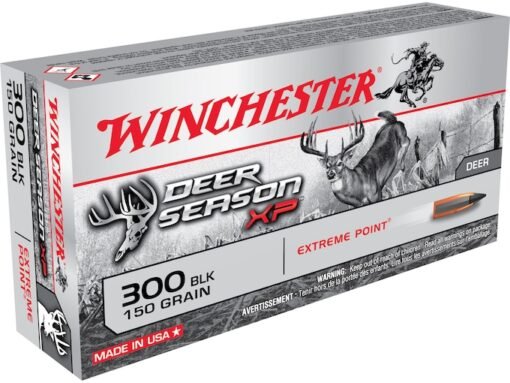
So, which term should you use? Here’s a simple rule set. Use “firearm” in all legal, formal, and technical contexts: on paperwork, when discussing laws, and when referring to the mechanical system as a whole. Use “gun” in casual conversation, when referring to specific types (“shotgun,” “BB gun”), or in historical/military contexts (“field gun”). There’s no penalty for using “firearm” universally—it’s always correct. The key is intentionality. Whether you’re ordering FN 5.7x28mm ammo or a new primer, using precise language ensures you get exactly what you need. At Highbridgearmory, we cater to buyers who appreciate that level of detail.
Is a pistol considered a firearm or a gun?
Legally and technically, a pistol is a type of firearm. The ATF defines a pistol as a “weapon originally designed, made, and intended to fire a projectile (bullet) from one or more barrels when held in one hand…” This falls under the broader GCA definition of a firearm. Colloquially, it’s perfectly fine to call it a gun.
Does the ATF use the word “gun” in its regulations?
No. The ATF’s regulations, rulings, and publications consistently use the term “firearm” as the legal term of art. You will not find the term “gun” used to define a regulated item in the Code of Federal Regulations (CFR). They may use it informally in public outreach materials, but the legal language is strictly “firearm.”
For the most relevant results from serious dealers and manufacturers, use “firearms.” This will filter out more generic or non-commercial content. For example, searching for “semi-automatic firearms” will lead you to product pages for items like the handguns at Highbridgearmory, while “guns” might include news articles, videos, and forum posts.
Browse our firearms collection
Last updated: April 18, 2026