Understanding Firearms and Swords Control Laws
In 2025, a Texas man faced felony charges for carrying a katana in his vehicle without understanding the local blade length restrictions. This case highlights the complexities of weapons laws, which vary not just by state but often by city or county. Whether you’re a firearm enthusiast or a collector of swords, knowing the law is your first line of defense.
Federal Firearms Regulations: What You Must Know
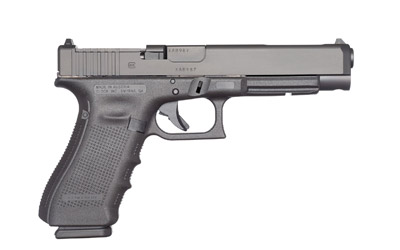
Federal law governs the basics of firearm ownership across the U.S. The National Firearms Act (NFA) regulates machine guns, short-barreled rifles, suppressors, and destructive devices. For example, owning an AR-15 with a barrel shorter than 16″ requires a $200 tax stamp and registration. The Gun Control Act of 1968 prohibits certain individuals from owning firearms, including convicted felons and those adjudicated as mentally ill. Always verify your eligibility before purchasing. At Highbridgearmory, we ensure compliance by requiring proper identification and background checks for all firearm sales.

State-Specific Laws: A Patchwork of Restrictions
State laws can dramatically affect what you can own and carry. California bans the sale of AR-15s and similar rifles unless they’re featureless or have a fixed magazine. New York requires permits for handguns and bans most “assault weapons.” Meanwhile, states like Texas allow open carry of both firearms and swords with minimal restrictions. Always consult your state’s Department of Justice or equivalent agency before making a purchase. Our rifles collection includes options compliant with various state laws.
Swords and Blades: Unsheathing the Legal Details
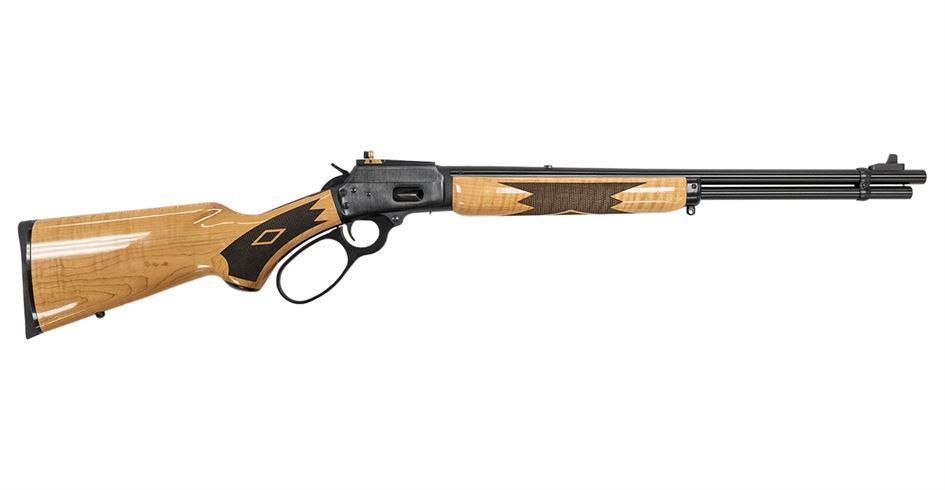
Sword laws are often overlooked but can be just as restrictive. In California, blades longer than 2.5″ are illegal to conceal carry. New York City bans possession of any sword longer than 4″ without a permit. Even in more lenient states, carrying a sword in public can lead to charges of brandishing or intimidation. If you’re a collector, store your blades securely and transport them unloaded and sheathed. For practical use, consider our lever-action rifles, which offer a historical feel without the legal headaches.
Transporting Weapons Across State Lines
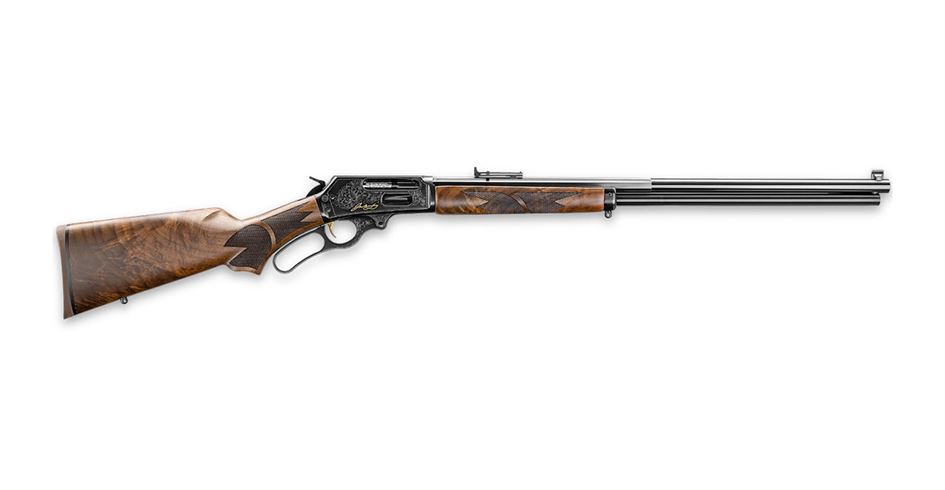
Transporting firearms or swords across state lines requires careful planning. The Firearms Owners Protection Act allows you to transport unloaded firearms through restrictive states if they’re locked in a case and inaccessible. However, states like New Jersey and Massachusetts can still arrest you for possession of prohibited firearms. Avoid interstate travel with swords unless they’re antiques or clearly for display. Our Marlin Model 444 is a great option for collectors who want a classic firearm that’s legal in most jurisdictions.
Compliance and Responsibility: Staying on the Right Side of the Law
Compliance isn’t just about avoiding charges; it’s about responsible ownership. Keep your firearms locked in a safe, and ensure only authorized users have access. Register your NFA items promptly and renew your permits as needed. For swords, document your collection and keep records of purchases. At Highbridgearmory, we provide educational resources and compliant products to help you stay informed and lawful.
Can I legally own a sword in California?
Yes, but with restrictions. Blades longer than 2.5″ cannot be concealed carried, and certain types like switchblades are banned.
Do I need a permit to buy a rifle in Texas?
No, Texas does not require permits for purchasing rifles. However, you must pass a federal background check.
Can I carry a firearm in my vehicle across state lines?
Yes, under the Firearms Owners Protection Act, but the firearm must be unloaded and locked in a case. Check state laws for specific restrictions.
Browse our firearms collection
Last updated: May 20, 2026