Firearms Reviews: What Actually Matters
You’re looking at a spec sheet for a new 9mm pistol. It lists a 4.5-inch barrel, a 17+1 capacity, and a 5.5-pound trigger pull. On paper, it matches three other models. The real question a review must answer is how those specs translate to a 300-round training day—will the grip texture shred your hands, will the slide lock back reliably on the last round, and does that trigger weight feel consistent or spongy? That’s the difference between data and useful information.
Beyond the Spec Sheet: The Hands-On Test
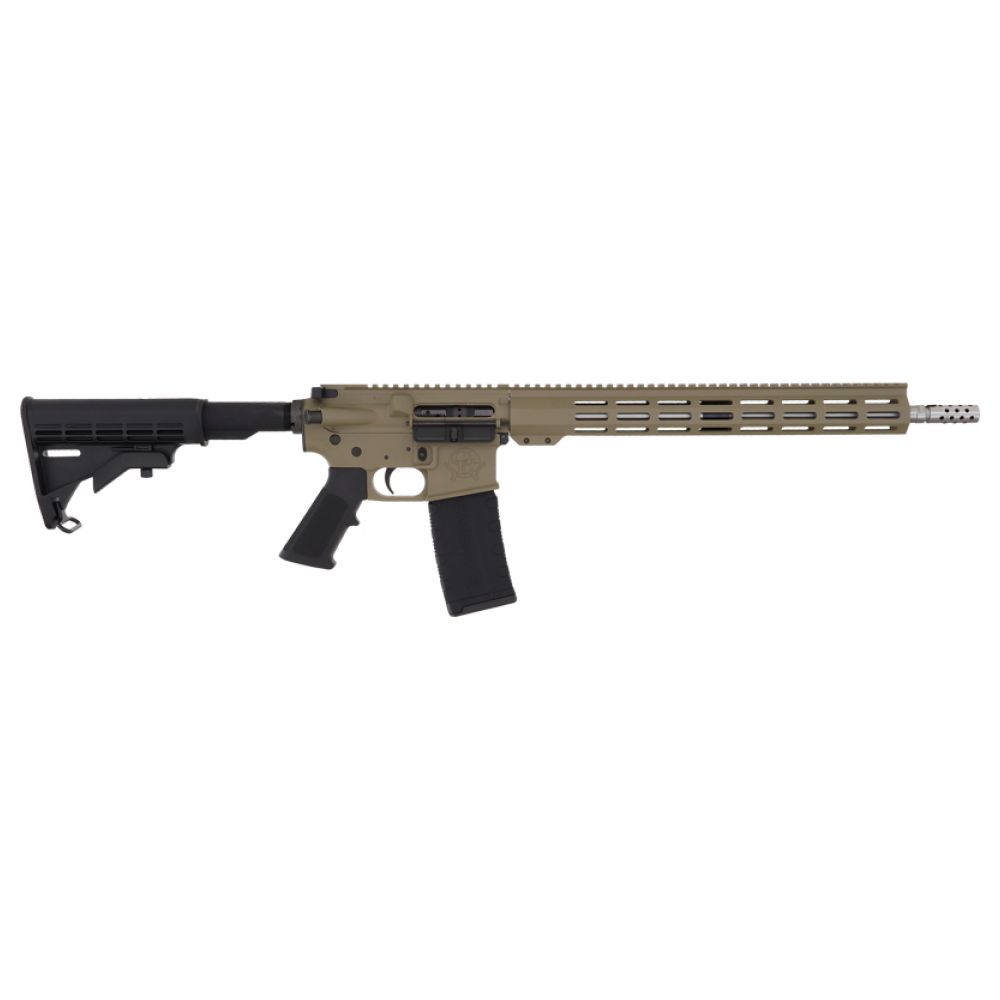
Manufacturer specifications are a starting point, not the finish line. A rifle might be listed at 7.5 pounds, but that weight distribution—whether it’s barrel-heavy or balanced at the magwell—dictates how it handles on a sling during a long course of fire. I look for reviews that detail the tactile experience: the positive reset of a trigger, the ease of manipulating a safety with gloved hands, and the consistency of ejection patterns. Does the FDE AR-15’s cerakote hold up to bipod use, or does it wear to bare metal after a few range sessions? A proper review puts the tool through its paces under realistic conditions, not just a clean bench rest.
Reliability is Non-Negotiable
The most accurate firearm is worthless if it fails to cycle. A credible review doesn’t just fire 50 rounds of premium brass. It runs a mix of 115-grain FMJ, 124-grain NATO-spec, and some hollow points to test feeding. It checks for malfunctions when the gun is dirty, when it’s lightly lubricated, and when using aftermarket magazines. I’ve seen pistols that run flawlessly with factory mags but choke on popular aftermarket brands. This is where ammo choice in a review is critical; testing a defensive handgun with only light range ammo tells you nothing about its performance with duty loads like Hornady Custom.
Accuracy: Defining Real-World Precision
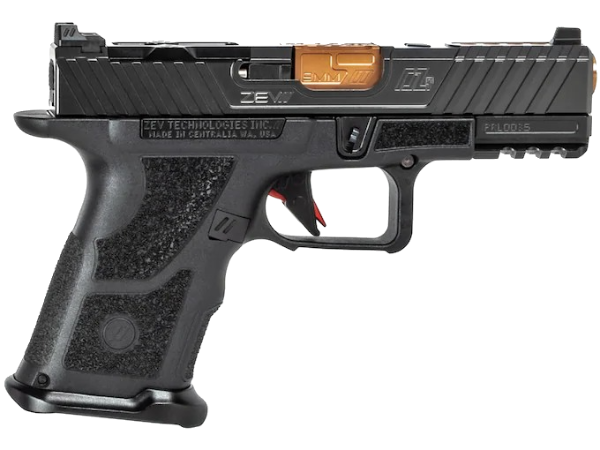
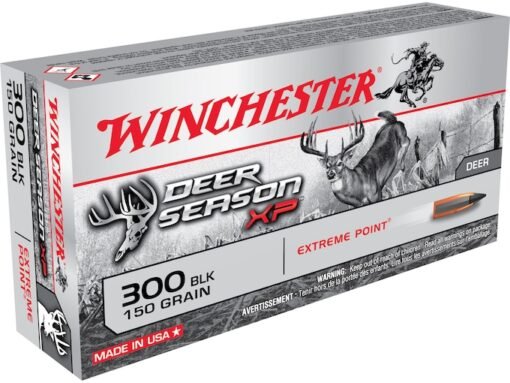
Quoting a “1 MOA guarantee” is meaningless without context. Was that achieved with hand-loaded match ammo from a vise, or with factory Winchester Deer Season XP from a supported position? A useful review separates mechanical accuracy from practical accuracy. For a hunting rifle, that means reporting 3-shot groups from field positions. For a duty pistol, it’s about the speed and consistency of hitting a 4-inch circle at 25 yards, not a single ragged hole at 10. The platform matters, too; a ZEV OZ-9C with its fitted barrel will have a different accuracy profile than a stock service pistol.
Ergonomics and Aftermarket Support
How a gun fits your hand determines how well you can shoot it. A review should cover grip angle, reach to controls, and slide or charging handle serrations. Can you actuate the magazine release without shifting your grip? More importantly, what’s the ecosystem like? A popular platform like a Glock 19 has endless holster and sight options, while a niche FN Five-seveN has far fewer. At Highbridgearmory, we see this directly; the demand for Glock Switches and other accessories informs what true usability looks like long-term. A gun that can’t be easily customized or repaired is a liability.
Finding Trustworthy Reviewers
Ignore anyone who doesn’t show their work. Look for reviewers who document round counts, list specific ammo used (including lot numbers for precision rifle tests), and show targets. They should discuss failures openly and explain maintenance routines. Be wary of “first impressions” videos that are essentially unboxings. A real review comes after several hundred rounds and multiple range trips. Cross-reference opinions; if three respected sources note a particular rifle has a stiff bolt release, it’s likely a design trait, not an anomaly. Your own due diligence, paired with detailed reviews, is the best path to a smart purchase.
Frequently Asked Questions
Where can I find reliable firearms reviews?
Seek out industry publications with documented testing protocols and independent YouTube channels that show high round-count testing with varied ammunition. Always prioritize reviewers who disclose any sponsorship or affiliate relationships. For hands-on perspectives on specific models we carry, like those in our Handguns collection, our product descriptions are built from direct experience and customer feedback.
What are the most important factors in a firearm review?
Reliability under diverse conditions is paramount, followed by practical accuracy, ergonomics, and trigger quality. The review must detail the exact ammunition, round count, and maintenance schedule used during testing. Component compatibility, like which primers work best for a given cartridge, is also a key technical detail often covered in in-depth reviews.
How do I know if a review is biased?
Bias is evident when a reviewer only highlights positives, uses vague language, or relies solely on manufacturer-provided data. A trustworthy review will note drawbacks, such as a heavy trigger pull or limited holster options, and compare the firearm directly to its competitors. They will also typically purchase the firearm themselves or clearly state if it was a loaner.
Canik firearms reviews
Canik reviews consistently praise the exceptional out-of-the-box triggers and high value-for-money, especially on models like the TP9 SF Elite and Rival. Common points of critique in long-term reviews often focus on holster compatibility being more limited than mainstream brands and some models having a stiffer-than-average slide release. Their reliability with NATO-spec 9mm is generally reported as excellent.
Browse our firearms collection
Last updated: April 20, 2026