Firearms and Tobacco: A Practical Guide
You’re on a long-range shooting trip, settled in for a multi-day hunt, or simply maintaining your gear in the shop. The urge for a smoke hits, but so does the reality of handling solvents, powders, and metal. The intersection of firearms and tobacco isn’t about romance; it’s about managing real-world risks to your equipment, your health, and your safety.
The Corrosive Reality of Tobacco Residue
Forget aesthetics. The primary concern with tobacco around firearms is chemistry. Tobacco smoke contains moisture, acids, and particulate matter. When that smoke settles on a firearm’s metal surfaces, it creates a thin, corrosive film. I’ve seen it firsthand on a customer’s neglected 1911 slide—fine pitting in the bluing that wasn’t from humidity alone. This residue is hygroscopic, meaning it attracts and holds moisture from the air directly against the steel, accelerating rust. This is especially critical for carbon steel barrels and receivers. A firearm stored in a case or safe where someone frequently smokes is in a hostile environment. Regular cleaning is non-negotiable, but prevention is better. If you use tobacco, wash your hands with a grease-cutting soap before handling firearms to transfer fewer contaminants from your fingers to the steel.
Powder, Primers, and Smoke: A Dangerous Mix
This is where theory meets a hard stop. Smoking or using any open flame around reloading components is profoundly dangerous. Smokeless powder is a flammable solid, not an explosive, but it ignites readily. The real hazard is primer compound—a shock-sensitive explosive. A single spark from a cigarette ash or static electricity in a dry, tobacco-dust-laden environment can have catastrophic consequences. I keep my reloading bench a strict tobacco-free zone, with clear signage. The same rule applies at the range. While modern ammunition is stable, the act of smoking while handling loose powder, primers, or even while shooting introduces an entirely unnecessary ignition source. It’s a fundamental breach of safety protocol that experienced shooters and reloaders simply do not entertain.
Maintaining Gear in a Smoking Environment
If tobacco use is present where you store or clean your firearms, you need a mitigation strategy. First, storage: use quality silicone-impregnated gun socks or VCI (Vapor Corrosion Inhibitor) bags inside your safe. These provide a physical barrier against airborne contaminants. For long-term storage in less-than-ideal air quality, a heavy-duty rust preventative like RIG (Rust Inhibiting Grease) applied to metal surfaces is more effective than a standard CLP. Second, cleaning: you’ll need to clean more frequently. Pay extra attention to wiping down exterior metal with a dedicated rust-preventative oil, not just a cleaner. The bore is somewhat protected, but the exterior of the barrel, receiver, and especially any polished bolt faces are vulnerable. At Highbridgearmory, we recommend products specifically formulated for long-term corrosion protection for shooters dealing with these conditions.
Hunting & Shooting Etiquette: The Unwritten Rules
On a hunt or at a public range, your personal habits impact others. Smoking in a blind or stand can alert game with both scent and movement. Wind carries tobacco scent for hundreds of yards, alerting deer and other game long before you see them. At the range, secondhand smoke drifting down the firing line is a nuisance at best and a health issue for others at worst. Many indoor ranges have outright bans due to ventilation and air quality systems. The pragmatic approach is to treat tobacco use like a muzzle—be aware of where it’s pointed. Step away from shared spaces, be downwind of your hunting partner, and always, always dispose of butts properly. A hot cigarette butt tossed into dry grass at a remote shooting area can start a wildfire. The etiquette boils down to respect: for others, for the activity, and for the land.
Long-Term Storage and Resale Considerations
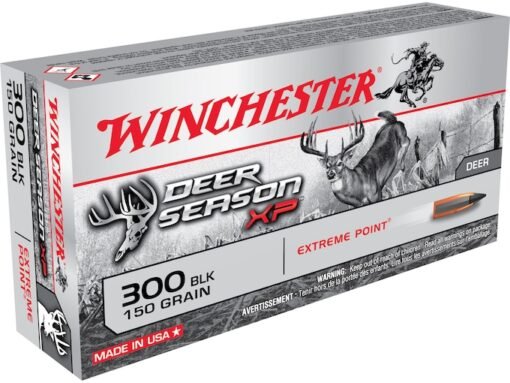
A firearm that has been stored in a heavy smoking environment often carries a permanent odor in its foam case, wood stock, or synthetic furniture. This can significantly impact its resale value and trade-in potential. Collectors and knowledgeable buyers will inspect for tobacco-related corrosion and discount the price accordingly. To protect your investment, isolate the firearm from the environment. A sealed cabinet with desiccant is a minimum. For wood stocks, the smell can seep in and is nearly impossible to remove. If you’re looking to preserve value, whether for a classic Winchester Model 70 or a modern Flat Dark Earth AR-15, the storage environment is as important as the maintenance. At Highbridgearmory, we see well-maintained firearms hold their value; corrosion and odor are immediate red flags for our buyers.
Can cigarette smoke really damage the finish on my pistol?
Yes, absolutely. Tobacco smoke contains acidic compounds and moisture that settle on metal as a thin, sticky film. This film attracts and holds moisture against the steel, promoting rust and pitting, especially on blued or parkerized finishes. Regular wiping with a quality protectant is essential if the firearm is exposed.
Is it safe to smoke while reloading ammunition?
No. It is an extreme safety hazard. Smokeless powder is flammable, and primer compound is a shock-sensitive explosive. A single spark or ash can ignite powder, causing a severe fire. Always keep tobacco, open flames, and any ignition source far away from your reloading bench.
How can I remove tobacco smell from a gun case or safe?
For a safe, remove all contents and use a vacuum with a HEPA filter. Wipe interior surfaces with a mild detergent solution (like Simple Green), rinse with a damp cloth, and dry thoroughly. Place several open boxes of baking soda or activated charcoal inside for several weeks. For foam-lined cases, the smell often soaks into the foam and may be permanent; replacing the foam insert is usually the only solution.
Browse our firearms collection
Last updated: April 19, 2026