Firearm Rules Every Owner Must Know
In 2025 alone, ATF denied over 300,000 firearm transactions due to rule violations. Whether you’re buying your first handgun or tenth rifle, these regulations aren’t suggestions—they’re the law.
1. Interstate Transfer Requirements
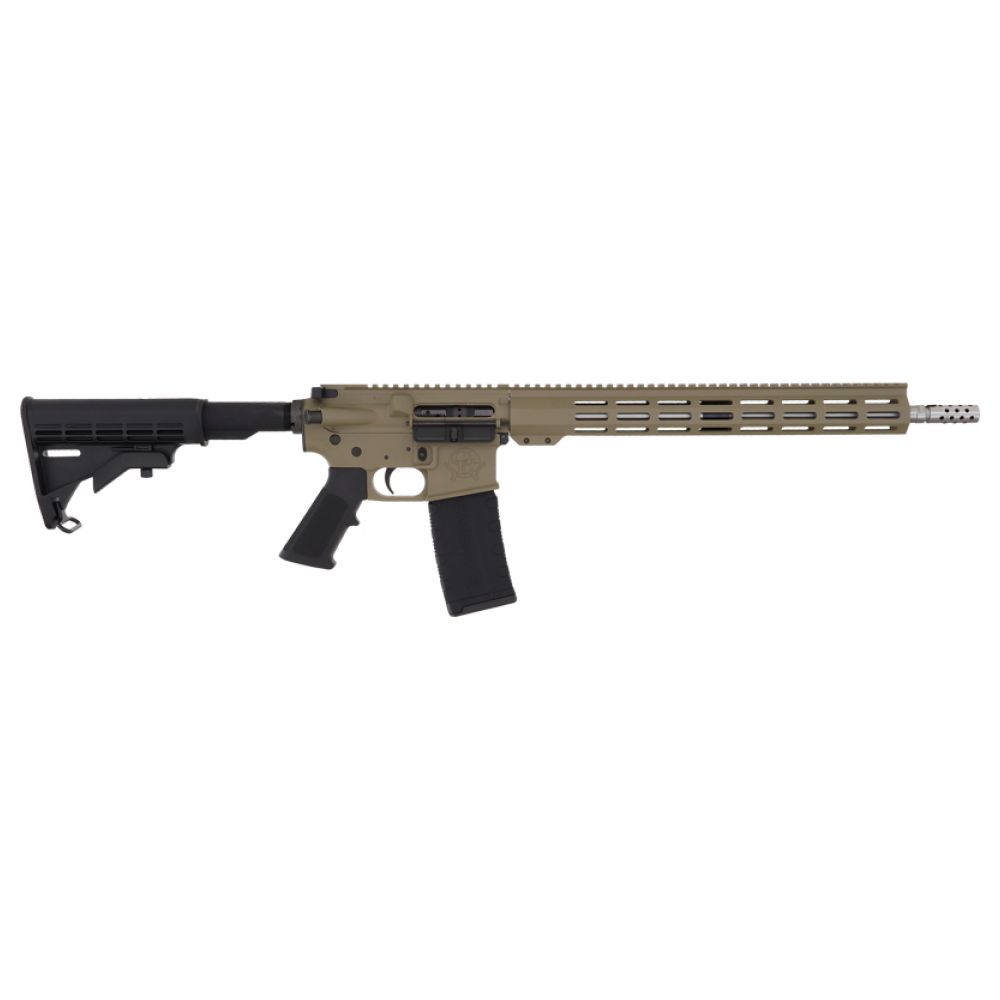
Federal law (18 U.S.C. § 922) mandates all interstate firearm transfers go through FFL dealers. Exception: bequeathed firearms to lawful heirs. Example: purchasing a FDE AR-15 from Highbridgearmory in Texas while residing in Oklahoma requires shipment to your local FFL for background check. Private sales across state lines? Felony. Penalties: Up to 10 years prison and $250,000 fine per violation.
2. NFA Regulations on Modified Firearms
Adding a vertical foregrip to a pistol? That creates an AOW (Any Other Weapon) requiring $200 NFA tax stamp. Short-barreled rifles (SBRs) like the Kriss Vector .45 ACP with barrels under 16″ need registration. Suppressors? Same process. ATF Form 1 for manufacturing, Form 4 for transfers. Wait times currently average 8-10 months. Pro tip: Pistol braces now require registration as SBRs per 2023 rule changes.
3. State-Specific Magazine Capacity Limits
California bans >10 round magazines. Colorado prohibits >15 rounds for pistols, 8 for shotguns. New York requires registration of “assault weapons” like the Franklin Armory M4-HTF. Maryland enforces HQL (Handgun Qualification License). Always verify local laws before ordering—Highbridgearmory automatically blocks shipments to prohibited jurisdictions.

4. Transporting Firearms Across State Lines
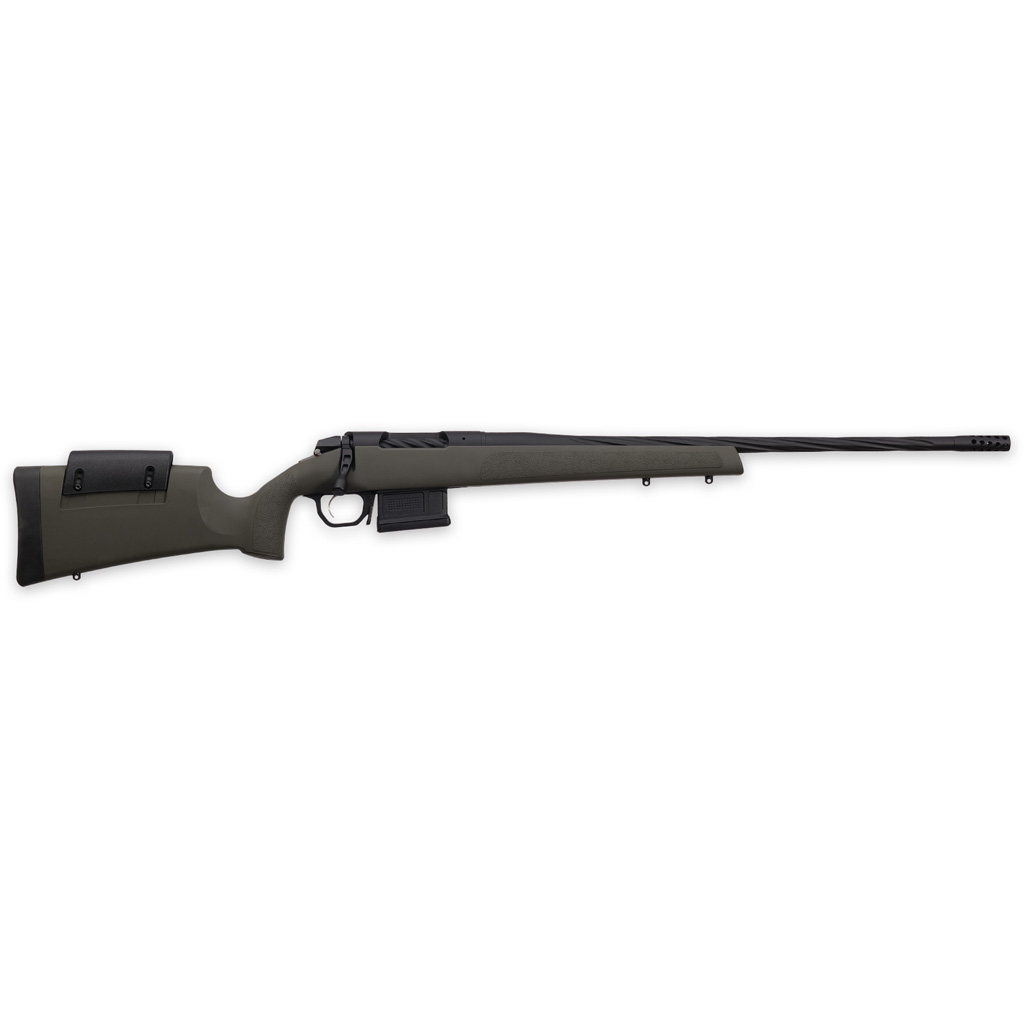
FOPA (Firearm Owners Protection Act) provides limited transport immunity if: 1) Firearms unloaded and locked 2) Ammo separate 3) Destination allows possession. Doesn’t apply to states like NJ/NY with mandatory declarations. For Weatherby 307 Range XP owners traveling to matches: research each state’s ammunition restrictions (e.g., Illinois bans armor-piercing rounds).
Can I lend my firearm to a friend at the range?
Depends on state law. Federal law allows temporary transfers if the recipient isn’t prohibited and the firearm stays within the state. States like California require FFL involvement for all transfers, even loans.
Are binary triggers legal?
Currently legal under federal law but banned in 11 states (CA, CT, DE, FL, HI, IA, MD, NJ, NY, RI, WA). The Franklin Armory Binary Trigger remains popular where permitted.
What’s the penalty for accidental prohibited possession?
Ignorance isn’t a defense. First offense typically brings 1-3 years prison and permanent loss of firearm rights. Always verify residency requirements when purchasing from online retailers.
Browse our firearms collection
Last updated: April 29, 2026