Best Firearms Training: A Pro’s Guide
You can buy the most expensive BCM RECCE-16 or a tricked-out SIG P365 FUSE, but without proper training, it’s just an expensive paperweight. Real skill is built through deliberate, structured practice. This guide breaks down the essential training paths that will make you a competent, confident, and safe shooter.
Foundations: Mastering Safety & Fundamentals
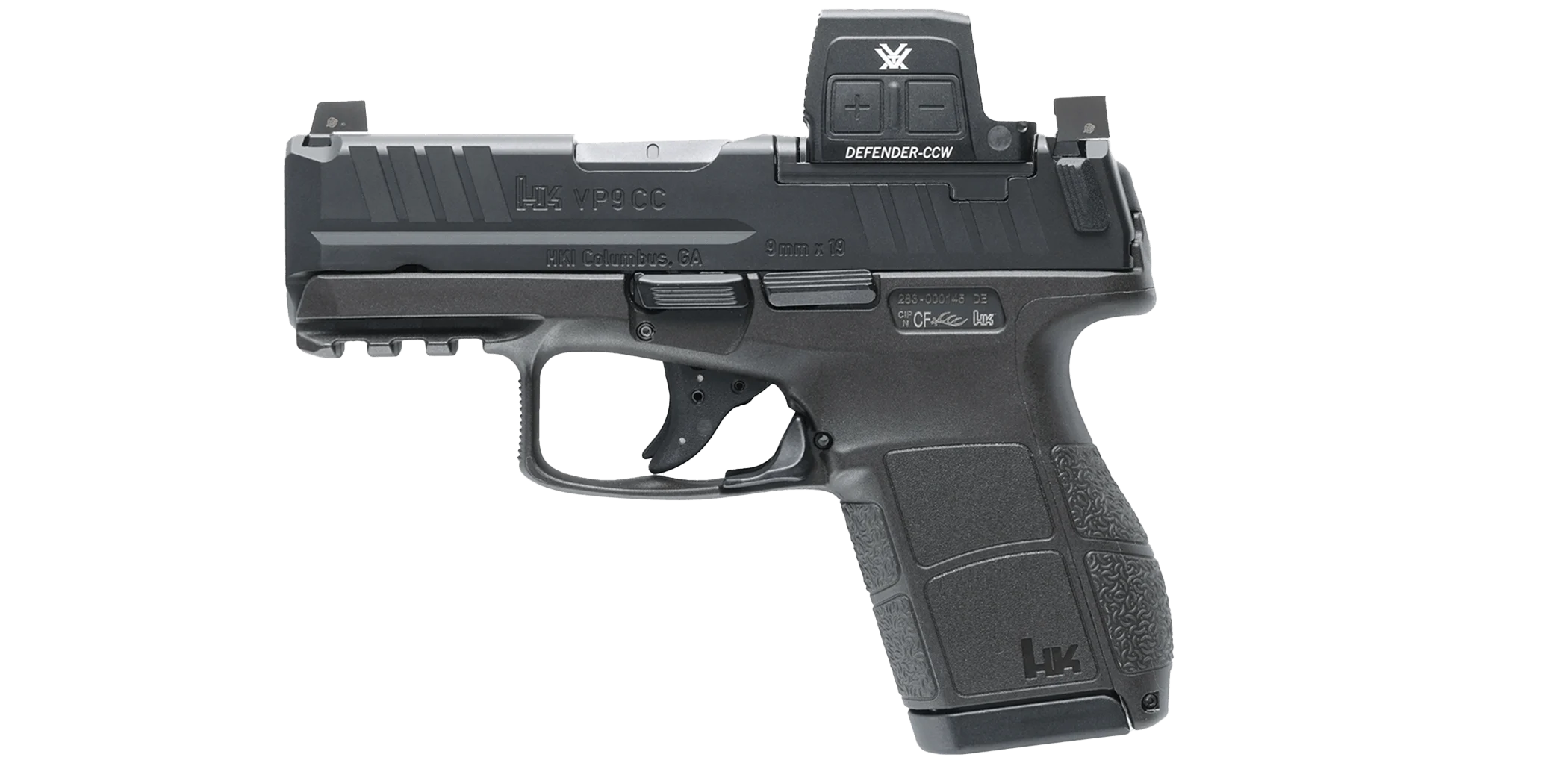
Every expert shooter started with the four cardinal safety rules: treat every firearm as if it’s loaded, never point the muzzle at anything you’re not willing to destroy, keep your finger off the trigger until ready to fire, and be sure of your target and what’s beyond it. Drill these into your subconscious. Fundamentals are next: a proper grip, stance, sight alignment, sight picture, trigger press, and follow-through. Dry fire is your most valuable tool here. Spend 15 minutes a day with an unloaded pistol, like a HK VP9CC, practicing your draw and trigger press against a blank wall. Consistency beats intensity. A flinch developed with live ammo takes 10,000 perfect dry-fire reps to fix.
Choosing the Right Platform for Your Training
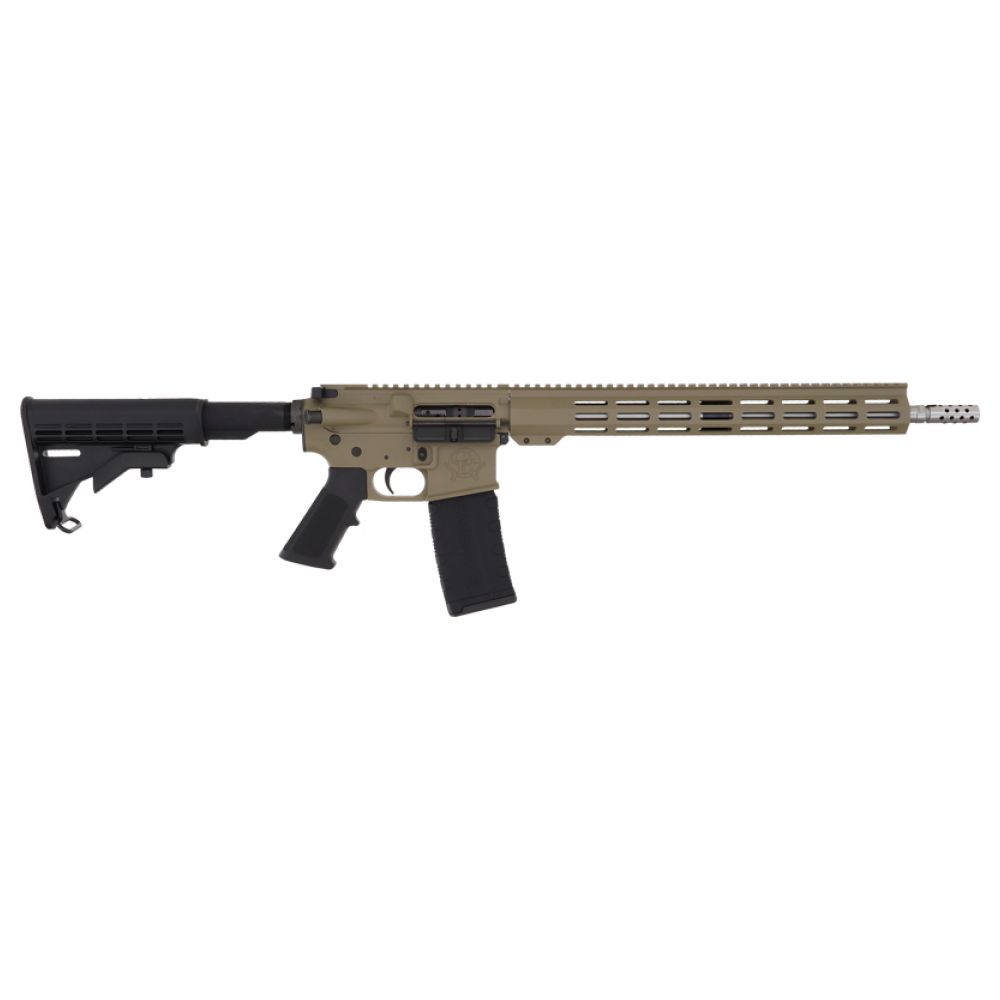
Your training firearm should be reliable, durable, and match your intended use. For defensive handgun training, stick with a mainstream 9mm striker-fired platform like a Glock, SIG P320/P365 series, or Smith & Wesson M&P. The manual of arms is simple, parts are ubiquitous, and they can withstand thousands of rounds. For rifle training, an AR-15 in 5.56mm is the standard. A quality rifle like the FDE AR-15 Complete Rifle from Highbridgearmory provides a solid foundation. Avoid “training” with a safe queen or a hyper-customized race gun. Train with what you’ll actually use, or a very close analog.
Structured Drills: From Static to Dynamic
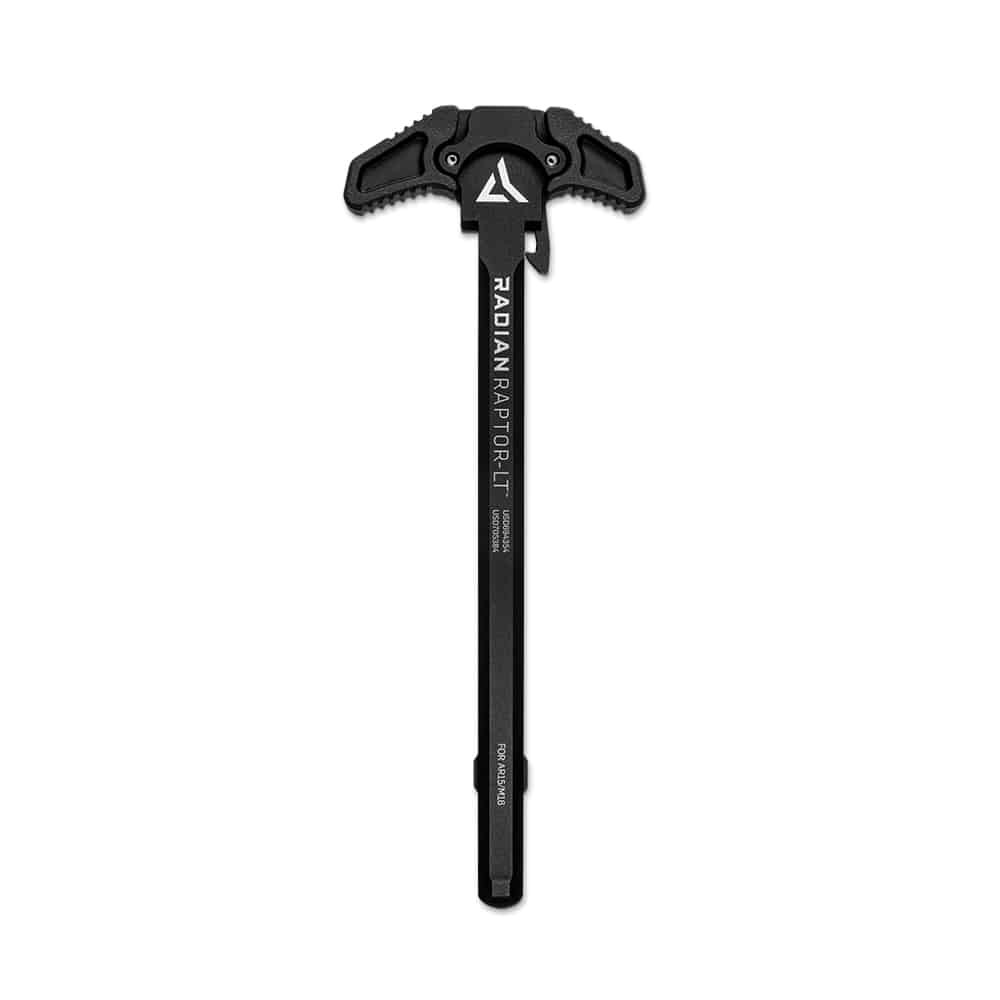
Once fundamentals are ingrained, structured live-fire drills build speed and accuracy under pressure. Start simple: the “Dot Torture” drill at 3 yards with a handgun. It tests precision, reloads, and shooting from the draw. For rifles, the “1-5 Drill” (1 shot at 100 yards, 2 at 200, etc.) teaches rapid distance estimation and holdovers. Progress to movement. Practice shooting while stepping laterally off the line of attack and from behind cover. Incorporate malfunction clearance drills—Type 1 (failure to fire), Type 2 (failure to eject), and Type 3 (double feed). Using an ambidextrous charging handle like the Radian Raptor LT makes these manipulations faster and more intuitive under stress.
Investing in Professional Instruction
You can only self-diagnose so much. A qualified instructor will spot flaws in your grip, stance, or trigger control that you can’t feel. Look for vetted schools like Gunsite, Tactical Response, or local instructors with verifiable credentials (LE/Mil background, NRA/USCCA certifications). A good 2-day defensive handgun course, where you’ll fire 500-1000 rounds, is worth more than a new optic. They force you to work under timed stress, shoot from unconventional positions, and apply judgment. Before you attend, ensure your gear—from your handgun to your magazine pouches—is fully vetted and broken in. Nothing wastes range time like gear failure.
Beyond the Range: Mindset and Legal Preparedness
Training isn’t just about hitting a target. The “software” is as critical as the hardware. This involves situational awareness—using the OODA Loop (Observe, Orient, Decide, Act) to avoid conflicts before they start. It also means understanding the legal use of force in your state. What constitutes a credible threat? What are the rules for defending your home versus a public space? Consult with a firearms-specific attorney. Furthermore, incorporate low-light training with your weapon light. Over 70% of defensive shootings occur in reduced light. Can you manipulate your P365’s controls and identify a threat in the dark? This is non-negotiable training.
How much ammunition should I budget for training?
For maintaining basic proficiency, plan to shoot a minimum of 100 rounds per month with your primary defensive firearm. For serious skill development, 250-500 rounds monthly is a realistic baseline. Before a professional course, budget for the round count specified by the school, plus an extra 10% for zeroing and function checks. Always train with the same ammunition weight and brand you carry for consistency.
Is dry fire really effective, and can it damage my gun?
Yes, dry fire is profoundly effective for building muscle memory for trigger control, draw strokes, and reloads. For most modern centerfire firearms (like Glocks, SIGs, and AR-15s), dry firing without a snap cap is generally safe. However, for rimfire guns (like .22 LR), always use a snap cap to protect the firing pin. The key is to make it deliberate: use a shot timer app for par times and aim at a small, specific target on the wall.
What’s one piece of gear that most people overlook for training?
A quality shot timer. You can’t manage what you can’t measure. A timer like the Pact Club Timer III provides objective feedback on your split times (time between shots) and draw speed, pushing you to improve. Sub-second draws or 0.25-second splits aren’t guesses—they’re measured metrics. It’s the single best tool to add accountability to your practice sessions, far more valuable than another accessory.
Browse our firearms collection
Last updated: April 17, 2026