Best Firearms for Women: A Practical Guide
Selecting a firearm isn’t about gender; it’s about ergonomics, control, and purpose. The average woman’s hand is smaller, with a shorter reach to the trigger and less upper body strength. This makes specific dimensions and operating systems more practical. Forget pink grips—focus on grip circumference, slide racking effort, and recoil management. At Highbridgearmory, we stock models that excel in these areas.
1. The Micro-Compact 9mm: Balance of Power and Concealment
The micro-compact 9mm is the gold standard for concealed carry. Models like the SIG Sauer P365 series revolutionized the category by packing 10+1 rounds into a frame with a 1-inch width. The grip circumference is critical; a slimmer grip allows for a proper, high-handhold purchase, which is essential for control. The P365-XMACRO Direct, for instance, offers a slightly longer grip for a full three-finger purchase without significantly increasing print. Recoil in these small 9mms is snappy, so look for models with extended beavertails to mitigate slide bite and textured grip panels. The goal is a pistol you can shoot accurately and carry all day, which is why we consistently recommend this category at Highbridgearmory.
2. Compensated Pistols: Taming Recoil for Faster Follow-Ups
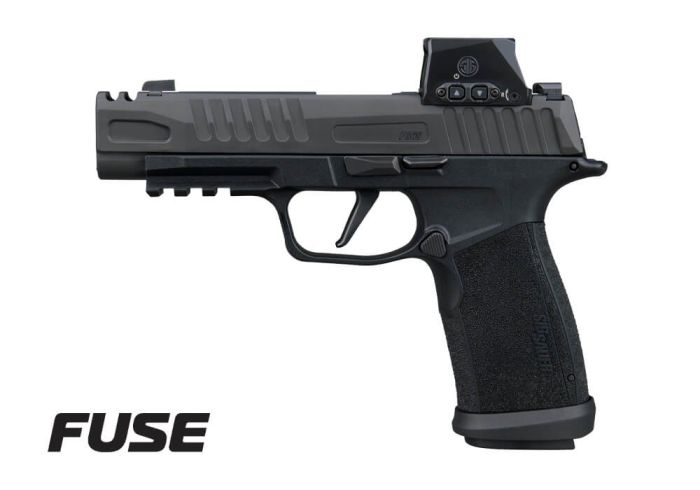
For those prioritizing shootability, a factory-compensated pistol is a game-changer. A compensator ports gasses upward to counteract muzzle rise, making rapid, accurate shots easier. This is especially valuable with hotter defensive ammunition. The SIG Sauer P365 FUSE Comp 9mm Pistol integrates a compensator directly into the slide, maintaining a compact profile. The reduced perceived recoil allows shooters to manage the firearm more effectively, leading to better accuracy and confidence. When testing these, the difference in sight recovery time is immediately noticeable. It’s a legitimate performance upgrade that addresses a common challenge.
3. The Importance of Ergonomics and Grip Texture
A gun must fit your hand. Key metrics are the distance from the backstrap to the trigger face (reach) and the grip’s circumference. Many modern pistols, like the Springfield Armory XD Mod.4 Optics Ready 9mm Pistol, come with interchangeable backstraps to customize this fit. Grip texture is equally important; aggressive texturing like that on a GLOCK G34 GEN4 MOS provides a secure hold, even with sweaty hands, but can irritate skin during all-day carry. Striated or modular textures offer a better compromise. Don’t just hold it—dry fire it. Your trigger finger should engage the trigger’s center without straining or shifting your grip.
4. Considering Caliber: 9mm vs. 5.7x28mm
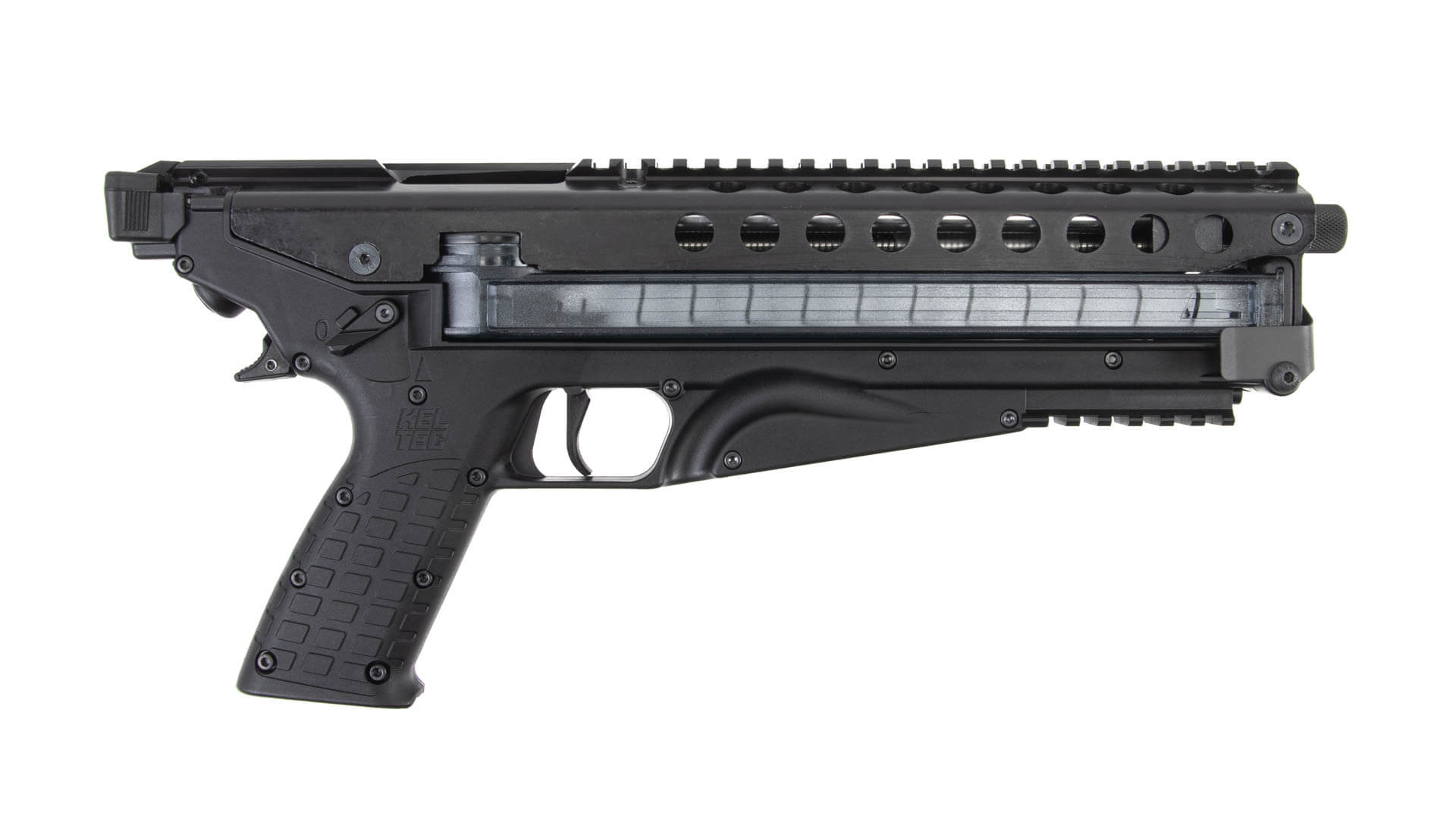
While 9mm Luger is the dominant defensive caliber due to proven ballistic performance and ubiquitous availability, 5.7x28mm presents a compelling alternative. A pistol like the KelTec KP50 5.7x28mm Pistol offers very low recoil, high magazine capacity (50 rounds in this case), and flat trajectory. The trade-off is ammunition cost and less widespread adoption. For a new shooter sensitive to recoil, the 5.7’s shootability can accelerate proficiency. However, 9mm remains the pragmatic choice for most due to lower cost per round for practice and a wider selection of firearms. It’s about balancing training affordability with terminal performance.
5. Home Defense: Beyond the Handgun
For a dedicated home defense role, a rifle or shotgun often outperforms a handgun. A carbine in 5.56mm or .300 Blackout, like an MCX-SPEAR platform, offers easier accuracy, higher capacity, and more effective terminal ballistics with less over-penetration risk than many handgun rounds. The key is fit: a collapsible or adjustable stock is mandatory to achieve proper length of pull. The three points of contact (stock, handguard, pistol grip) make the platform inherently more stable and controllable under stress. While a handgun is for getting to your rifle, your primary home defender should be the most effective tool you can confidently operate. Explore our Rifles collection for vetted options.
FAQ: Practical Carry and Selection
How to carry a gun as a woman?
Concealed carry for women often requires holsters and positions tailored to wardrobe. A high-quality, rigid kydex holster with a claw attachment is non-negotiable for safety and concealment. Common positions include appendix inside-the-waistband (AIWB) for accessibility, or using a dedicated belly band or bra holster for deep concealment with athletic wear or dresses. The firearm must be completely covered and secured in a purpose-built holster that covers the trigger guard.
What makes a gun easier to rack?
Three factors reduce slide racking effort: a larger rear sight or serrations for leverage, a lighter recoil spring, and the pistol’s design. Many striker-fired pistols have slides that are easier to manipulate than some hammer-fired models with stiff decockers. Technique is also key: push the frame forward with your dominant hand while pulling the slide rearward with your support hand, using your core strength.
Is a revolver a better choice for a woman?
Not necessarily. While revolvers are simple to operate, their long, heavy double-action trigger pull is difficult to master for accuracy, and their low capacity (typically 5-6 rounds) and slower reloads are significant disadvantages. A modern semi-automatic like a micro-compact 9mm offers higher capacity, a better trigger, and often a slimmer profile for carry, making it a more effective choice for most.
What accessories are most important?
After a proper holster, invest in training ammunition and professional instruction. Then, consider a weapon-mounted light for positive threat identification in low light. A red dot sight, like those compatible with optics-ready models, can dramatically simplify the aiming process under stress. Upgraded sights, like high-visibility night sights, are also a high-value first modification.
Browse our firearms collection to find the right fit for your needs.
Last updated: March 27, 2026