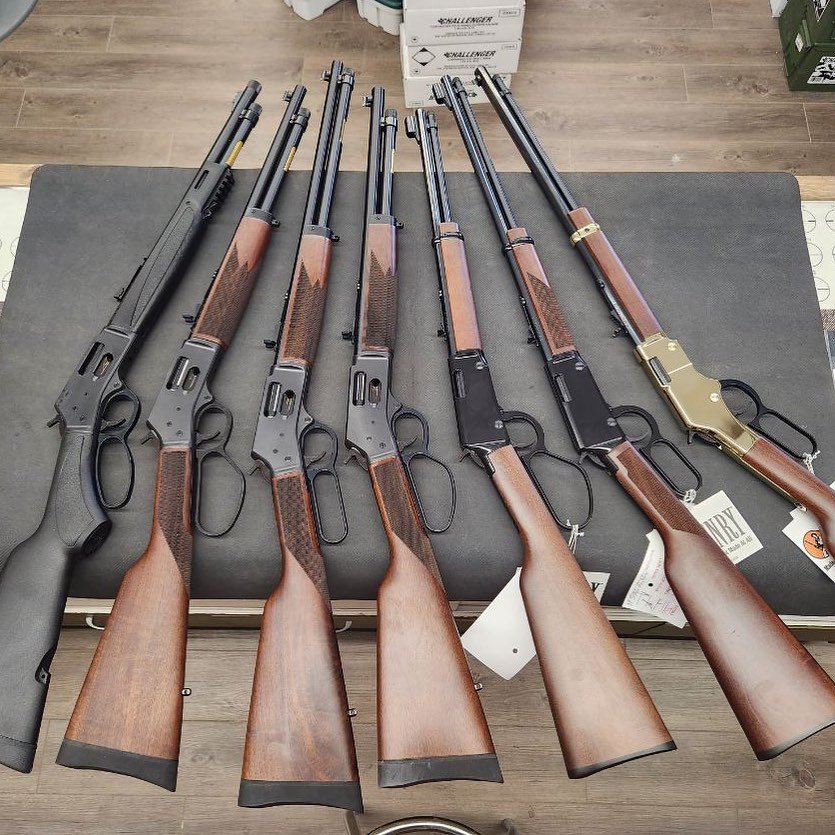
How to Carry a Firearm
You’ve made the decision to carry a firearm. Now, the real work begins. Carrying isn’t just about holstering a gun; it’s a commitment to a system of gear, mindset, and legal awareness. The wrong holster, a poor carry position, or a lapse in situational awareness can turn a tool of protection into a liability. Let’s cut through the noise and talk about how to do this right.
Choosing Your Carry Method: IWB, OWB, and AIWB Explained
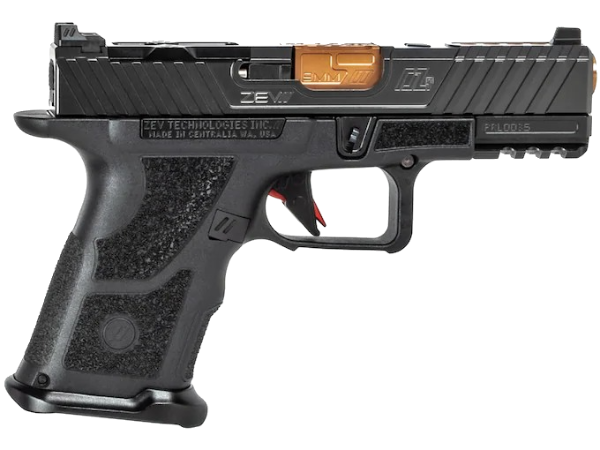
Your carry method dictates everything from comfort to concealment and speed of access. Inside-the-Waistband (IWB) is the most common for concealed carry, tucking the pistol between your body and your pants. A quality IWB holster like those from Tenicor or Vedder, with a sturdy clip and a wing to tuck the grip, is non-negotiable. Outside-the-Waistband (OWB) sits outside the pants, often used for open carry or duty use; it’s more comfortable but harder to conceal. Appendix Inside-the-Waistband (AIWB) has gained massive popularity for its excellent concealment and fast draw, but it requires specific, safe holsters with features like a claw and a rigid muzzle guard. For a compact 9mm like the ZEV OZ-9C Hyper-Comp, AIWB can be an ideal solution. Your body type, wardrobe, and daily activities will determine which method you can run effectively all day, every day.
Essential Gear: Holsters, Belts, and Spare Magazines
Your gun is only as good as the gear that carries it. A proper gun belt is the foundation; it’s not a dress belt. Look for a stiff, reinforced belt from a company like Kore Essentials or Blue Alpha Gear that won’t sag under the weight of a loaded pistol. The holster must be rigid, fully cover the trigger guard, and allow for a consistent, full-firing grip on the draw. Kydex is the standard for a reason. For semi-autos, carrying at least one spare magazine is a best practice, addressing both malfunctions and the need for additional rounds. Use a dedicated magazine carrier; stuffing a mag in your pocket leads to slow, fumbled reloads. This system—belt, holster, mag carrier—must be tested through dry fire and live fire drills. You can find quality holster-compatible belts and other essential carry accessories at Highbridgearmory to build your complete setup.
Concealed Carry vs. Open Carry: Practical Considerations
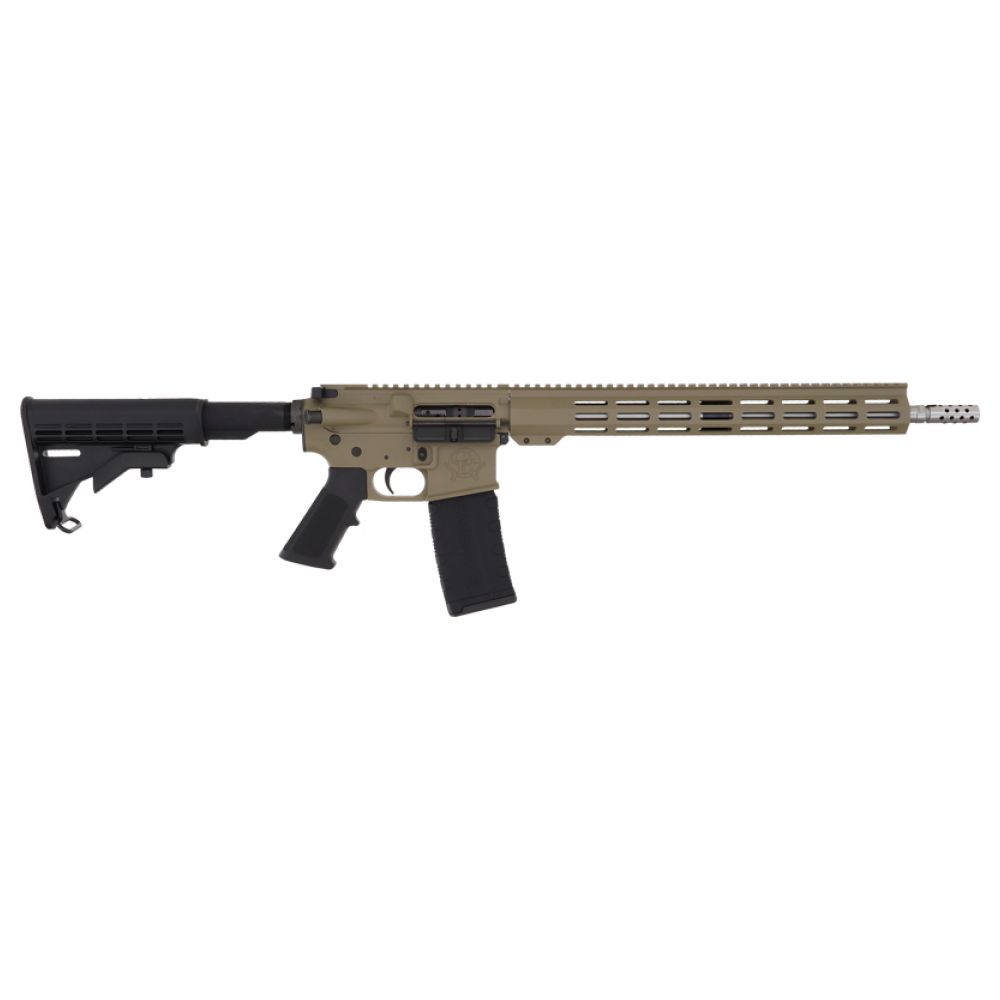
This debate is about tactics, not rights. Concealed carry offers the element of surprise. A potential threat doesn’t know you’re armed, which can be a tactical advantage and may prevent you from being the first target. It requires more attention to clothing and holster selection to avoid “printing” (the outline of the gun showing). Open carry, where the firearm is visibly holstered, is more comfortable and allows for a faster draw from an OWB holster. However, it makes you a visible target, can alarm the public, and may invite unwanted attention from both criminals and law enforcement. In many states, including those with constitutional carry, you have the option for either. My advice for daily life: concealed. For hiking, hunting, or on private property, open carry of a sidearm or a rifle like an AR-15 is often more practical. Know the laws and social norms of every location you enter.
Vehicle Carry and Transport Laws
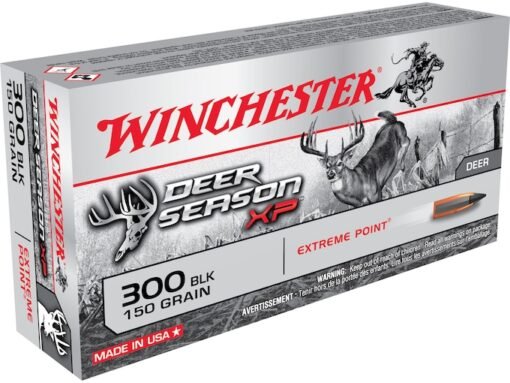
Carrying in a vehicle introduces major legal and safety complexities. Laws vary wildly by state: some treat the vehicle as an extension of your home, others require the firearm to be unloaded and locked in a container separate from ammunition. For concealed carry permit holders, the gun is typically either on your person or within easy reach, like in a console holster. Never just toss a loaded gun in the glove box or under the seat; it becomes a dangerous, unsecured projectile in a crash. The safest method for non-permit transport is to use a lockable hard case, like a Vaultek Lifepod, with the unloaded firearm secured in the trunk. If you’re traveling, research the laws of every state you’ll drive through. Remember, ammunition like Winchester Deer Season XP is also subject to transport regulations in certain jurisdictions. Highbridgearmory can be a resource for secure transport cases alongside your firearms.
Training and Mindset: The Most Critical Components
Gear is useless without training. Carrying a firearm means you commit to regular, purposeful practice. This starts with dry fire at home to master your draw stroke, trigger press, and re-holstering safely. Live fire should confirm your zero, test your defensive ammunition, and build proficiency under stress. Seek out professional instruction from a vetted defensive pistol course. More important than marksmanship is mindset. Carrying shifts your responsibility level. You must be the most de-escalatory person in the room. You avoid stupid places, stupid people, and stupid things. Your goal is never to “win a gunfight”; your goal is to avoid it entirely and get home. If avoidance fails, your training and reliable equipment—from your pistol to your defensive ammo—become your last resort. This sober responsibility is the true weight of carrying a firearm.
FAQ: How to Firearm Carry
How to firearm carry?
Firearm carry requires a method (IWB, OWB, AIWB), a dedicated rigid holster that covers the trigger guard, and a stiff gun belt. You must first understand and comply with your state’s concealed or open carry laws, then select gear that allows for a consistent, safe draw and secure all-day carry. Regular dry-fire and live-fire training are mandatory.
How to carry gun in car?
The legal method depends entirely on state law. With a permit, it’s often carried on your person or in a mounted holster. Without a permit, the safest and most common legal method is to transport the unloaded firearm in a locked hard case, separate from ammunition, in the trunk. Never leave a firearm unsecured in a vehicle.
How to carry rifle with sling?
Use a two-point sling for stability and weapon retention. Adjust it so the rifle hangs comfortably at your chest or side, muzzle down, with your hands free. The sling should be tight enough to control the rifle but loose enough to quickly shoulder it. Practice transitioning from carry to firing position to ensure a smooth, efficient motion.
Browse our firearms collection
Last updated: April 20, 2026