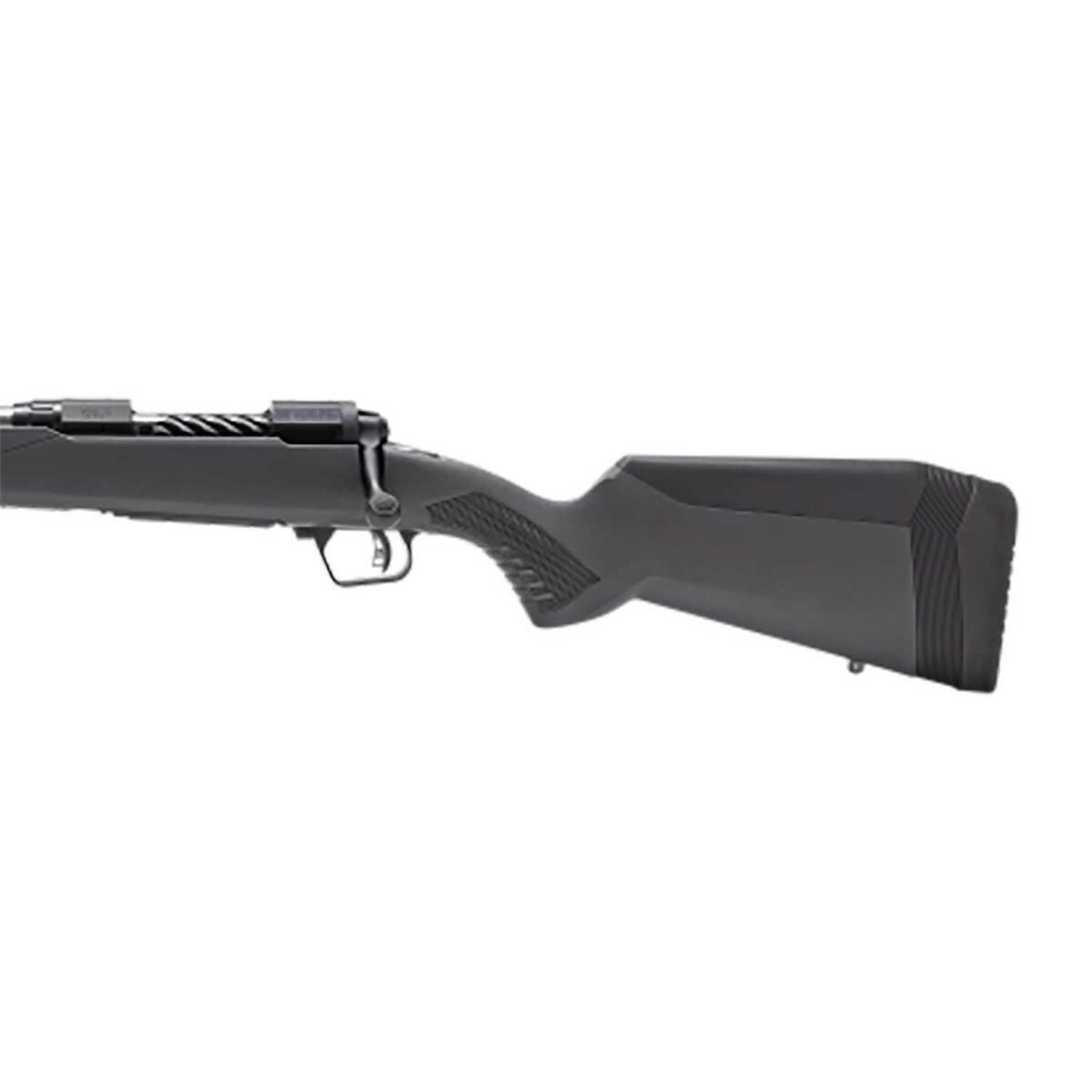
Firearms 2026: The State of the Industry
The 2026 SHOT Show floor confirmed it: the modular, multi-caliber chassis is now the dominant rifle platform, with the AR-15’s evolution into a true “fire control group host” being the most significant shift since the adoption of the M-LOK rail. Manufacturers are no longer just selling rifles; they’re selling ecosystems.
The Rise of the Caliber-Adaptable Rifle System
Forget dedicated uppers for every cartridge. The defining trend of 2026 is the complete, factory-supported caliber conversion system built around a single lower receiver. We’re seeing this with platforms like the SIG Sauer Cross and the Ruger American Ranch, but the real action is in the AR-15 space. Companies are releasing complete conversion kits—not just a barrel and bolt, but a matched set including a dedicated magazine, tuned gas system, and often a handguard optimized for the cartridge’s profile. The .300 Blackout, 6.5 Grendel, and 6mm ARC are the leaders here, with kits allowing a shooter to swap from a 5.56mm varmint rig to a suppressed 300 BLK hog gun in under two minutes. This isn’t a niche gunsmithing project anymore; it’s mainstream, off-the-shelf functionality. At Highbridgearmory, we’re stocking these complete conversion kits alongside our standard rifles because this is what informed buyers are demanding.
Smart Optics: Beyond Basic Red Dots
The “smart optic” has moved from a gimmick to a legitimate tool class. We’re not talking about recording video; we’re talking about integrated ballistics computers. The 2026 generation, like the Burris Oracle X and the Sig Sauer BDX 3.0, uses a built-in laser rangefinder and a paired handheld weather meter to calculate a firing solution, then projects a moving, corrected aiming point directly into the reticle. For the long-range shooter, this reduces complex dope to a single point of aim. For the defensive carbine user, new micro red dots with auto-brightness and shake-awake features, like the Holosun 507Comp, offer unprecedented battery life and instant-on reliability. The barrier to entry is dropping, with capable LPVOs (Low Power Variable Optics) now routinely available under $500, making precision more accessible than ever.
Pistol Refinement: The Duty-CCW Hybrid
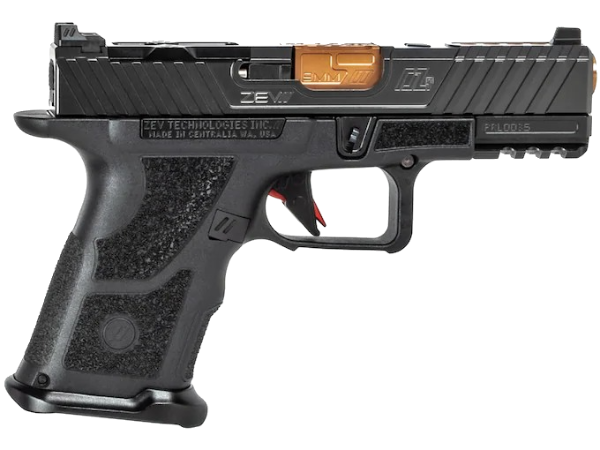
The stark line between full-size duty pistols and micro-compact carry guns has blurred into a new category: the compact hybrid. These are guns like the Smith & Wesson M&P9 Metal Compact, the ZEV OZ9C Hyper-Comp, and the Walther PDP Compact. They feature a 3.5-4 inch barrel, a 15-round magazine capacity, and a grip module that accommodates a full firing hand while remaining concealable. The focus is on shootability, with excellent factory triggers, aggressive grip textures, and optics-ready slides as the standard, not an upgrade. The aftermarket has responded with a flood of modular grip panels and weighted magazine basepads to fine-tune balance. For most shooters, this one gun can now legitimately serve for home defense, concealed carry, and competition.
Ammunition Innovation and Availability
The ammunition market has stabilized, but innovation is accelerating. The big story is the maturation of polymer-cased ammunition. True Velocity’s TVCM 6.8mm rounds for the military’s NGSW program have trickled down commercial interest, offering significant weight savings and consistent pressure curves. For hunters, monolithic copper bullets from makers like Barnes and Hornady have become the default for many calibers due to their reliable expansion and deep penetration, as seen in loads like the Winchester Deer Season XP. For the practical shooter, 9mm major power factor loads for USPSA and new, cleaner-burning powders for .223 are reducing fouling and extending cleaning intervals. Reloaders should note that primer composition is improving for longer shelf life, and we’re keeping a close eye on stock of components like Large Rifle Magnum Primers.

The Direct-to-Consumer Model Matures
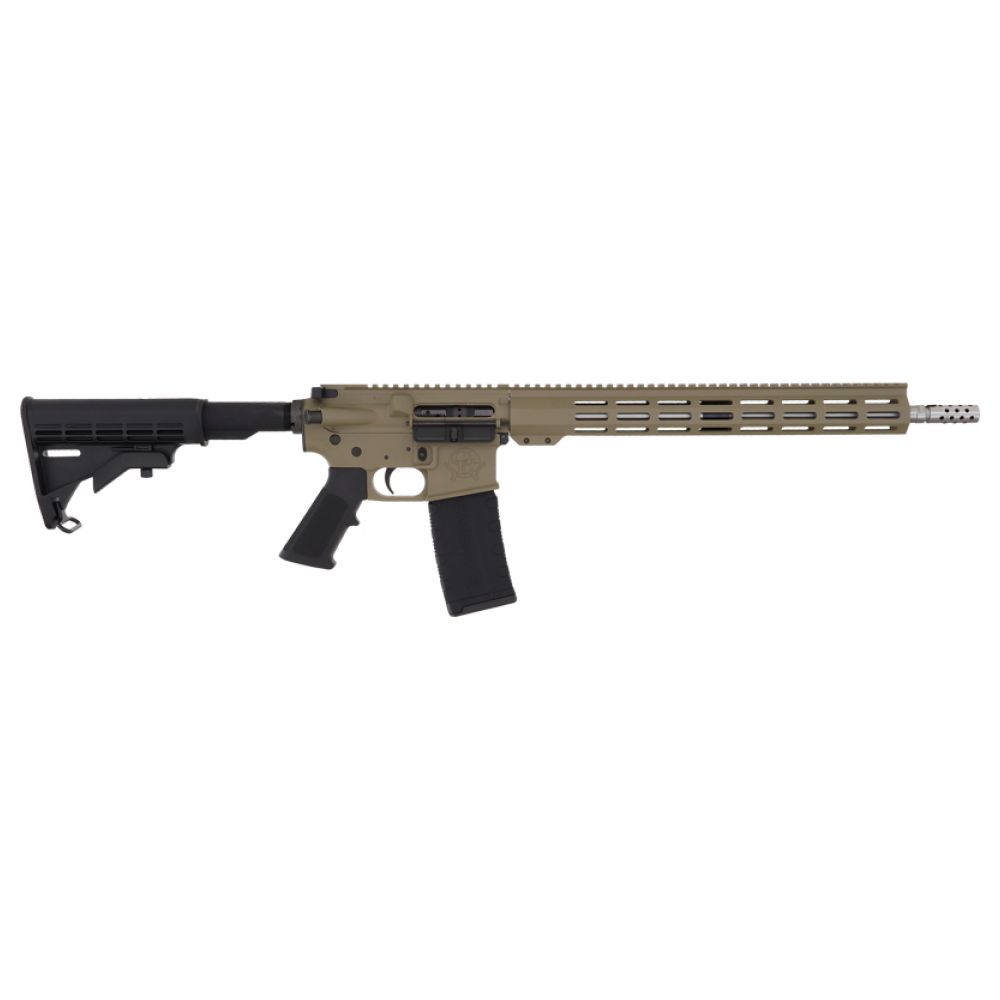
Buying a firearm in 2026 is a fundamentally different experience. The successful online retailer is no longer just a warehouse with a shopping cart; it’s a hub for configuration. Highbridgearmory and others now offer extensive “builder” services where you select a base model, like an FDE AR-15 Complete Rifle, and then customize it with selected triggers, handguards, and muzzle devices from a curated list before it’s ever shipped to your FFL. This eliminates the guesswork of part compatibility for the end user. Furthermore, detailed product videos, real-time inventory, and transparent compliance information have become non-negotiable standards. The market demands expertise and convenience, and retailers that provide a seamless, knowledgeable purchasing path are pulling ahead.
Is the AR-15 platform still relevant with all these new rifle systems?
More than ever. The AR-15’s strength is its unparalleled aftermarket support and standardization. The new caliber-adaptable systems are largely built on the AR-15 platform (specifically the Mil-Spec lower receiver), not in competition with it. It remains the most customizable, widely understood, and logistically supported rifle platform in the United States. The evolution is in how complete and user-friendly the conversion systems have become.
What’s the most practical first upgrade for a new rifle in 2026?
Without question, a quality white light weapon light and sling. Optics are critical, but a light is essential for positive target identification in low-light conditions, which encompasses half of every day. A two-point sling is a fundamental handling aid, not just a carrying strap. After those two force-multiplying items, then invest in a good optic and a quality trigger for improved control.
Are “smart guns” with biometric locks becoming common?
No. Despite periodic media discussion, the consumer market has shown near-zero demand for electronic firing locks or biometric safeties. The focus for safety in 2026 remains on mechanical safeties, proper holstering, and secure storage solutions like quick-access safes. Reliability is the paramount concern for both civilian and professional users, and mechanical systems are still viewed as fundamentally more trustworthy than electronic ones for a life-saving tool.
Browse our firearms collection
Last updated: April 19, 2026