
Essential Firearms Maintenance Guide
A dirty AR-15 bolt carrier group can fail to go into battery after just 200 rounds of cheap steel-cased ammo. That’s not a theory; it’s a fact I’ve seen on the range countless times. Proper maintenance isn’t about making your gun look pretty—it’s the non-negotiable foundation of reliability, safety, and longevity. Neglect it, and you’re carrying a potential paperweight.
The Core Cleaning Process: Field Strip to Final Wipe
Start with a field strip, following your specific firearm’s manual. For an AR-15, you’ll remove the bolt carrier group (BCG) and charging handle. For a striker-fired pistol like a Glock 19, you’ll drop the slide. Use a quality solvent like Hoppe’s No. 9 or CLP on a patch to scrub the bore from the chamber end. A bronze brush soaked in solvent helps break up stubborn carbon and copper fouling. Pay close attention to the bolt face, extractor claw, and the locking lugs on a rifle barrel. Carbon buildup in the gas rings or on a pistol’s feed ramp causes most malfunctions. After scrubbing, run dry patches through until they come out clean. Finally, apply a light coat of lubricant to moving parts: the BCG rails, slide rails, and trigger mechanism. Over-lubrication attracts grit; a thin film is all you need.
Lubrication vs. Preservation: Knowing the Difference
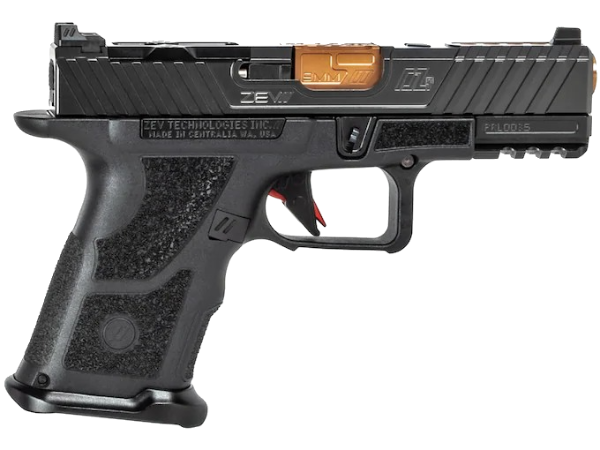
This is where many shooters go wrong. Lubrication reduces friction between moving parts. Use a dedicated gun oil like Lucas Oil or Slip 2000 on sliding surfaces—the rails of your pistol slide, the bolt carrier on an AR-15, and the hinge of a break-action shotgun. Preservation, or corrosion protection, is different. For long-term storage in a safe, especially in humid climates, you need a protectant like Rig Rag, Birchwood Casey Barricade, or a light coat of grease on steel surfaces. Never use WD-40 as a lubricant; it’s a water displacer that gums up. For the ZEV OZ-9C with its tight tolerances, a high-quality synthetic oil is critical for smooth operation.
Inspecting for Wear and Critical Failures
Cleaning is your chance to perform a diagnostic. Visually inspect the firing pin for chips or deformation. Check the extractor spring for tension and the claw for cracks. On an AR-15, look for unusual wear patterns on the bolt lugs or carrier key. A cracked locking lug is a catastrophic failure waiting to happen. Examine the recoil spring for set or deformation. For revolvers, check the timing and cylinder lockup. Feel for burrs or rough spots on slide rails. Ammo choice matters too; consistent, quality ammunition like Hornady Custom produces less erratic fouling and wear than some bargain-bin options. Finding a small issue during maintenance prevents a major failure when you need the gun most.
Maintenance Schedules: Round Count vs. Calendar
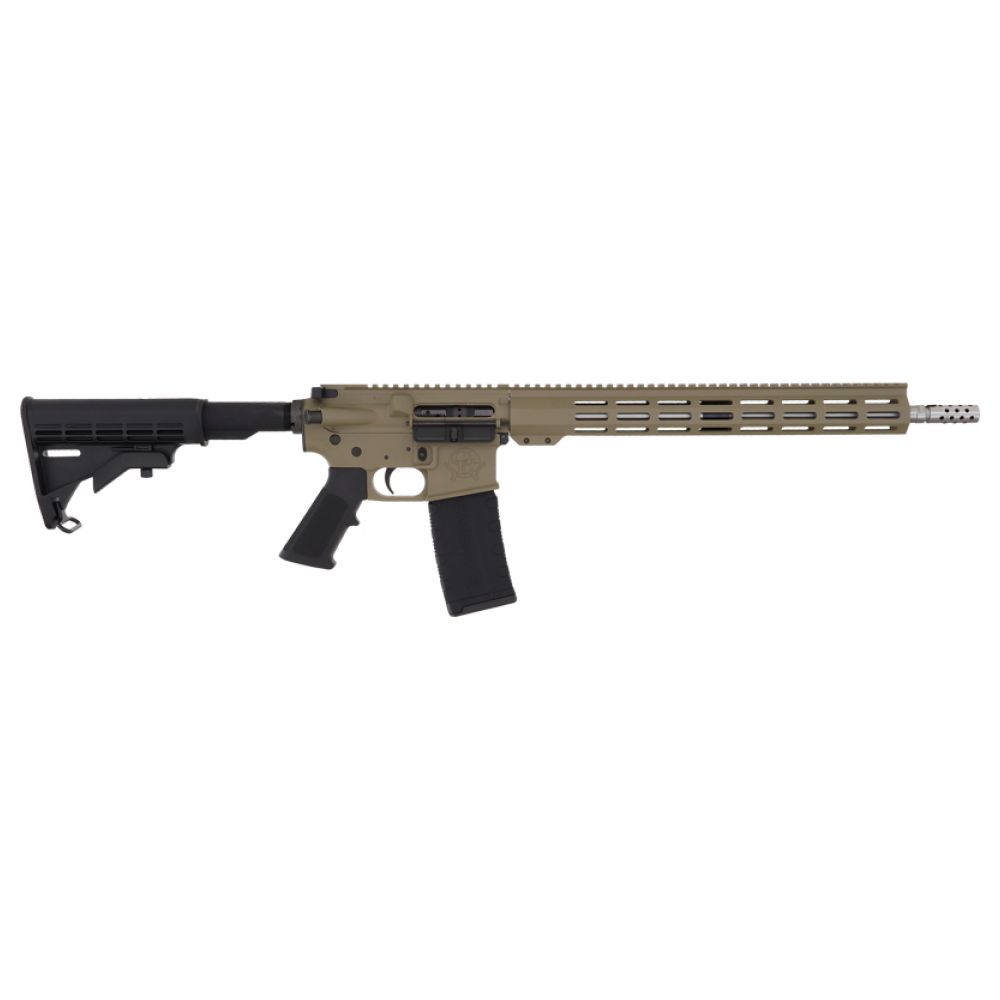
Forget cleaning “once a year.” Your schedule should be based on use. After every range session, run a bore snake and lightly lubricate. A detailed strip and clean is needed every 500 rounds for centerfire rifles and pistols. If you shoot corrosive ammo like old surplus 7.62×39, you must clean the same day. For a shotgun used in dusty conditions, clean the gas system every 250 shells. A carry pistol that sees daily sweat contact needs its exterior wiped down weekly with a silicone cloth to prevent rust, even if unfired. Firearms in long-term storage should be inspected and re-preserved every 6-12 months. The AR-15 platform is robust, but its direct impingement system dumps carbon directly into the receiver—it needs regular attention.
Tool Kit Essentials: What You Actually Need
You don’t need a $300 kit. Start with these basics: a solid brass cleaning rod (not steel), a .30 caliber bore brush and jag, .22 caliber patches, a dental pick for carbon scraping, a set of brass or nylon punches, and a gunsmithing screwdriver set with hollow-ground bits. A bore light is invaluable for inspecting the chamber and rifling. For lubrication, get a needle applicator bottle for precise oil placement. A chamber brush specific to your caliber (e.g., .223 or 9mm) is a game-changer. Store it all in a dedicated box. Highbridgearmory stocks the core components to build your own professional-grade kit, so you’re not stuck with flimsy, all-in-one sets that break.
How often should I clean my defensive carry pistol?
If you carry it daily, wipe down the exterior with a silicone cloth weekly to remove sweat and salts. Internally, perform a detailed strip, clean, and lubrication every 300-500 rounds fired, or at a minimum, every 6 months if carried but not fired. Function check with your chosen defensive ammo, like FN 5.7x28mm for FN Five-seveN owners, after every cleaning.
Can I use motor oil on my firearms?
You can, but you shouldn’t. Modern synthetic motor oils contain detergents and additives not designed for firearms. They can break down certain seals and may not withstand the high temperatures of a rapid-fire string. Dedicated gun oils are formulated for the specific friction points and materials in firearms. It’s a small cost for guaranteed compatibility.
What’s the most commonly neglected part in an AR-15 during cleaning?
The gas tube and the inside of the upper receiver, specifically the area where the gas tube enters. Carbon builds up into a hard, ring-like deposit there. Use a .22 caliber chamber brush or a dedicated gas tube brush to scrub it out. Also, the extractor spring and the O-ring/donut under it are often forgotten; remove the extractor pin to clean and lubricate that assembly.
Browse our firearms collection
Last updated: April 18, 2026