Essential Firearm Tips for Every Owner
A dirty extractor claw is the number one cause of malfunctions in an otherwise reliable AR-15. That’s not a guess; it’s a diagnosis from clearing hundreds of stoppages on the range. Owning a firearm is a responsibility that extends beyond the purchase. Performance, safety, and longevity are dictated by your knowledge and habits. These tips are born from direct experience, not theory.
Master the Four Fundamentals of Marksmanship
Accuracy isn’t magic; it’s mechanics. The four fundamentals—steady position, proper sight alignment, correct trigger control, and follow-through—are non-negotiable. Most shooters fail on trigger control, jerking the trigger instead of applying a smooth, rearward press straight to the rear. Dry fire is your most valuable tool here. With an unloaded firearm, practice pressing the trigger until the break happens as a surprise. For a rifle like the Bravo Company MFG RECCE-16 KMR-A Rifle, a consistent cheek weld and natural point of aim are just as critical as the trigger press. A flinch, caused by anticipating recoil, will destroy your groups. Use snap caps mixed randomly into your magazine during live fire to diagnose it.
Develop a Realistic Cleaning Protocol
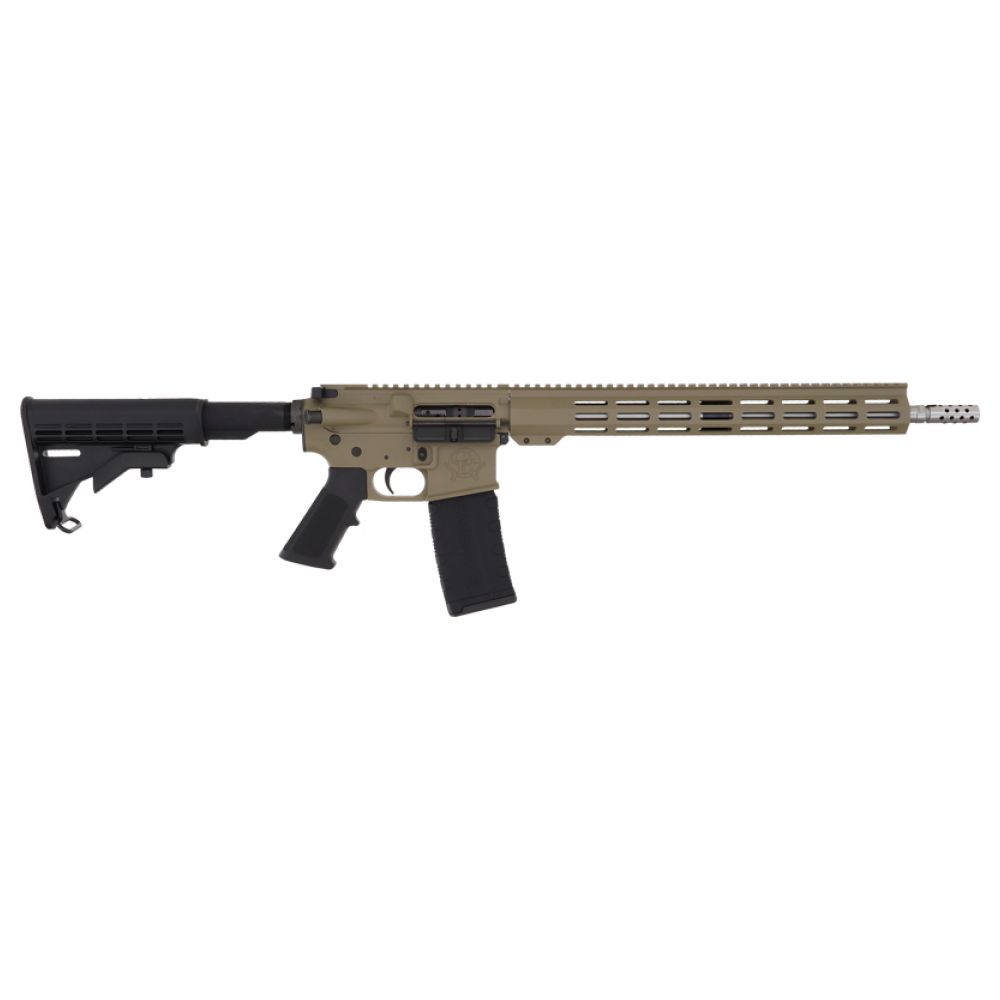
Forget the “clean after every range trip” dogma if you’re running quality gear. Over-cleaning, especially with metal brushes and aggressive solvents, causes more wear than shooting. For a modern striker-fired pistol like a Glock or SIG, a basic field strip, wipe-down of major components, and a light re-lube after 500-1000 rounds is often sufficient. The critical areas are the feed ramp, barrel hood, and any friction surfaces on the slide rails. For an AR-15, focus on the bolt carrier group: carbon on the bolt tail, the gas rings, and the extractor claw. Run a bore snake through the barrel. A heavily fouled chamber can cause extraction failures. A properly maintained rifle, like the FDE AR-15 we stock, will run for thousands of rounds with minimal intervention.
Upgrade with Purpose, Not Hype
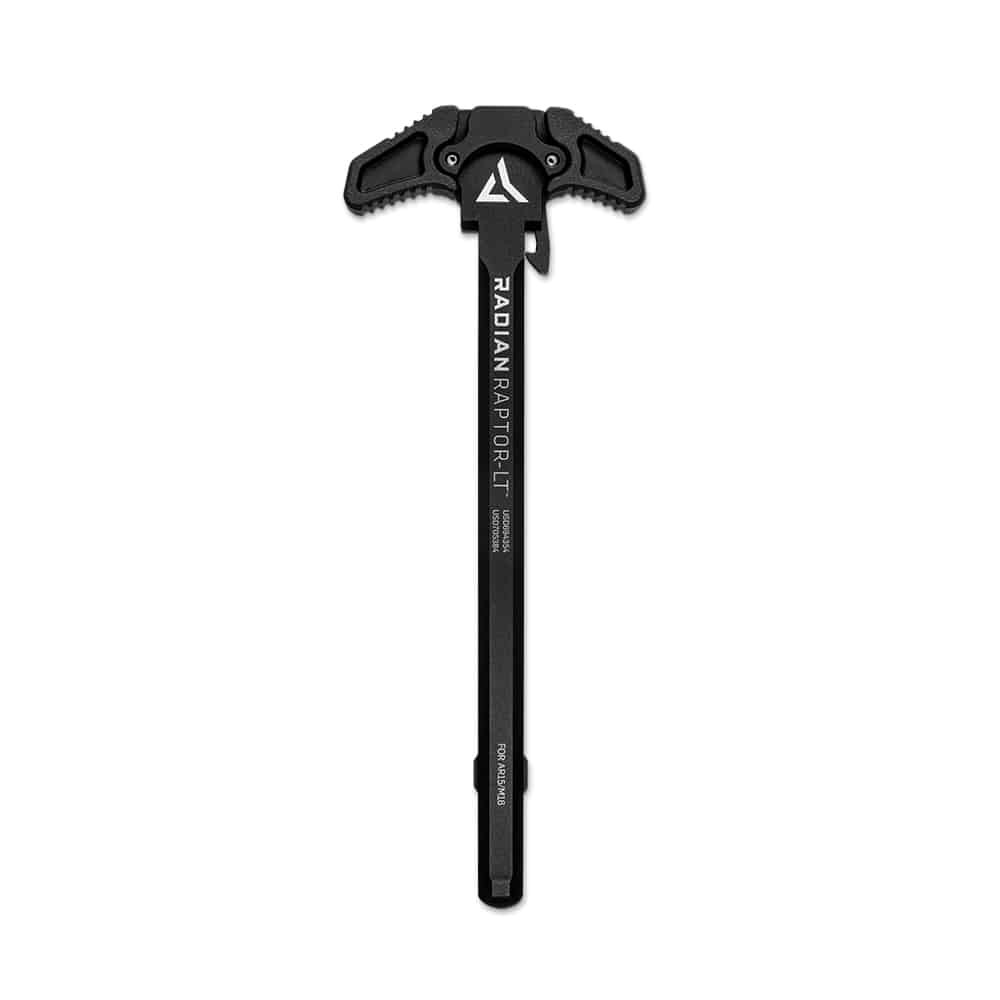
The aftermarket is full of solutions for problems you don’t have. Identify your actual needs first. For a defensive handgun, your first three investments should be professional training, a weapon-mounted light (like a Streamlight TLR-7A or SureFire X300), and quality defensive ammunition. Then, consider sights. For an AR-15, the most impactful upgrades, in order, are a quality trigger, a sling, and an optic. A good two-stage trigger, like a Geissele SSA-E, fundamentally improves control. A simple but robust ambidextrous charging handle, like the Radian Raptor LT, is a force multiplier for malfunction clearance. Browse our Triggers collection for vetted options. Avoid gimmicks that compromise reliability.
Practice Malfunction Drills Under Stress
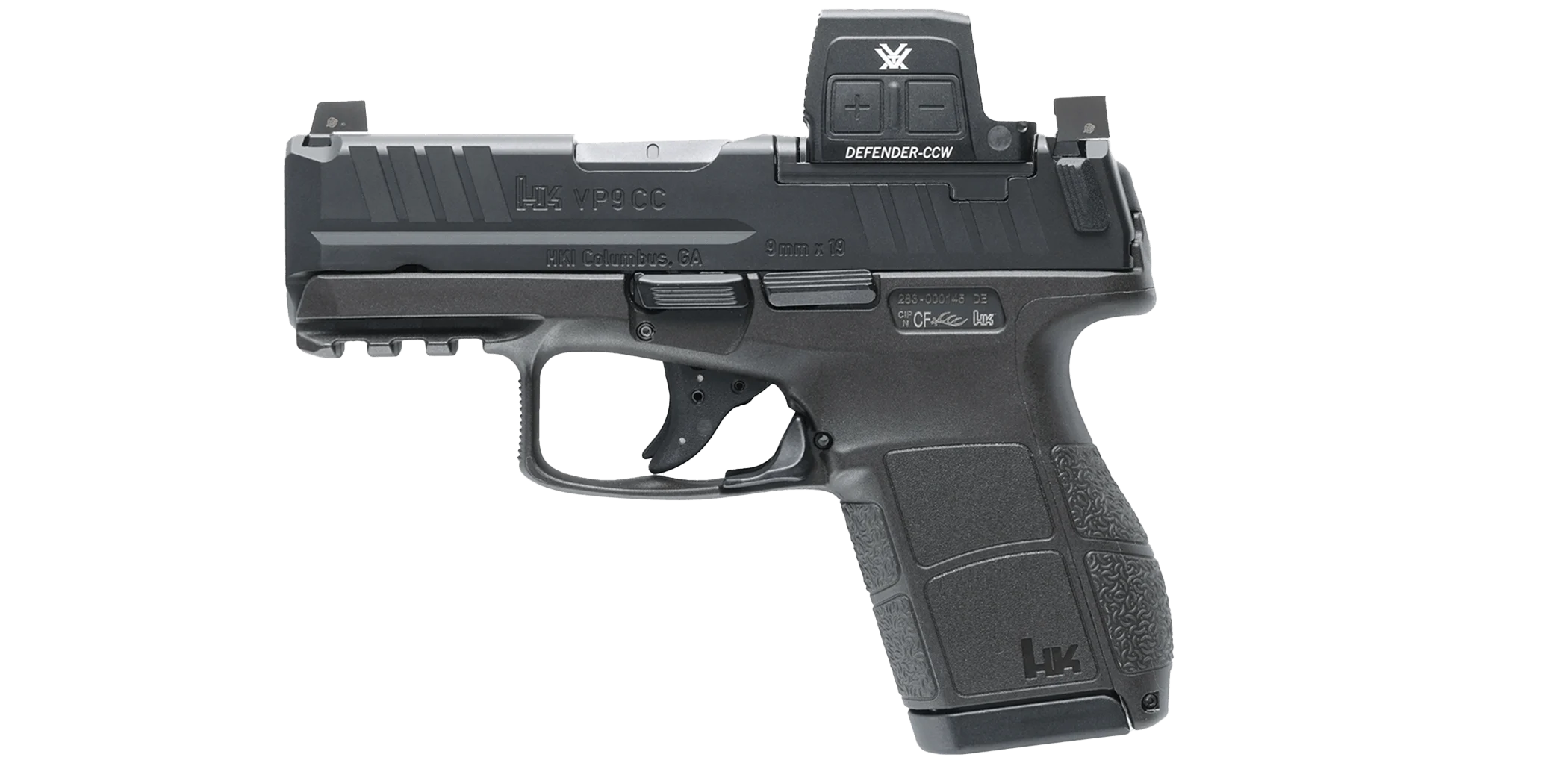
A failure to fire isn’t an abstract concept; it’s a physical problem you must solve instantly. The three most common malfunctions are the failure to fire (dud round), failure to eject (stovepipe), and failure to feed (double feed). Each has a specific, immediate drill. For a failure to fire: Tap the magazine to ensure it’s seated, rack the slide to eject the dud, and immediately fire. Practice this until it’s muscle memory. For a modern carry pistol like the SIG Sauer P365 FUSE Comp or an optics-ready model like the HK VP9CC, ensure your drills account for the red dot’s window potentially being obstructed by a spent casing. Use dummy rounds to safely induce these malfunctions during practice. Your gear at Highbridgearmory is built to run, but you must be built to clear.
Understand Ammunition Selection and Storage
Not all 9mm or .223 Remington is the same. Full Metal Jacket (FMJ) is for training. Jacketed Hollow Point (JHP) is for defensive use—its designed expansion is critical for responsible defensive shooting. Do not use FMJ for home defense. Store ammunition in a cool, dry place. Avoid temperature swings and humidity. Label your magazines: “124gr JHP” or “55gr FMJ” with tape to avoid mixing. For rifles, understand that 5.56x45mm NATO generates higher pressure than .223 Remington; a .223-chambered rifle should not fire 5.56mm, but a 5.56mm chamber can safely fire both. Always verify your firearm’s chambering, which is stamped on the barrel. Using the wrong ammunition is a catastrophic failure waiting to happen.
How often should I lubricate my firearm?
Lubricate when the metal friction surfaces look dry, not necessarily after every cleaning. For a pistol, a small drop on each slide rail and on the barrel hood where it contacts the slide is sufficient. For an AR-15 bolt carrier group, apply a light coat to the body and a small amount on the cam pin. Over-lubrication attracts grit and creates a mess. If you shoot in extremely dusty conditions, use less lube. A properly fitted rifle like a Sons of Liberty Gun Works M4-EXO2 will run efficiently with minimal lubrication.
What’s the best way to break in a new barrel?
The “barrel break-in” ritual of shooting one round and cleaning for 50 rounds is largely myth for modern, quality barrels. For a precision rifle, firing 20-50 rounds to settle the barrel and copper foul it uniformly can help accuracy stabilize. For a defensive carbine or pistol, simply go shoot it. Clean it initially to remove factory preservatives, then put 200-300 rounds of quality ammunition through it to ensure reliability. The break-in is for you to learn the firearm, not the other way around.
Should I use aftermarket magazines?
This is a reliability-first decision. For Glock, SIG P320/P365, and AR-15 platforms, factory magazines (Glock, SIG, Magpul PMAG, Okay Industries SureFeed) are the gold standard. Aftermarket magazines are often cheaper but can be the weakest link. For life-saving equipment, stick with proven, factory-original magazines or those from elite manufacturers like Magpul. We vet the accessories at Highbridgearmory, including our Glock Switches collection, for this exact reason. Your magazine is your firearm’s feeding system; don’t compromise it.
Browse our firearms collection
Last updated: April 17, 2026