What Are Firearms?
When you pull the trigger on a 9mm pistol, a firing pin strikes the primer of a cartridge, igniting gunpowder and propelling a projectile down a barrel. That fundamental mechanical process defines a firearm. It’s a tool, a piece of machinery governed by physics and engineering, and understanding its core definition is the first step to responsible ownership and operation.
The Core Definition: A Portable Gun
Legally and mechanically, a firearm is a portable gun—a barreled weapon that uses an explosive charge to fire a projectile. The key terms are “portable” and “explosive charge.” This distinguishes firearms from artillery pieces or permanently mounted weapons. The explosive charge is almost always smokeless powder contained within a self-contained cartridge. The design is centered around a chamber that holds the cartridge under pressure and a barrel that directs the expanding gases to accelerate the bullet. Whether it’s a .22 LR rifle or a 12-gauge shotgun, every modern firearm operates on this principle. The ATF’s legal definition hinges on this: any weapon designed to expel a projectile by the action of an explosive, or even a frame or receiver that can be readily converted to function as such. This is why purchasing a complete lower receiver from Highbridgearmory requires the same background check as a finished rifle.
Primary Firearm Classifications: Handguns, Rifles, Shotguns
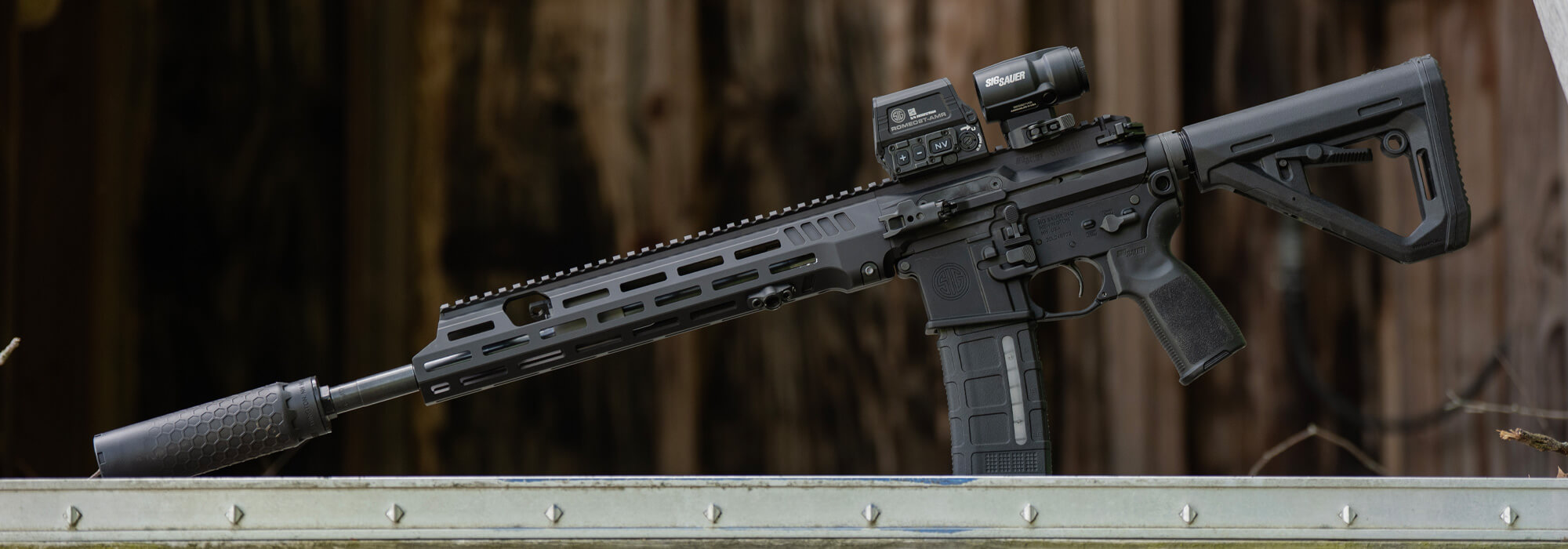
Firearms are categorized by design and intended use. Handguns, like the popular SIG Sauer P365 FUSE Comp, are designed to be fired with one or two hands without a shoulder stock. They include revolvers and semi-automatic pistols. Rifles are characterized by a rifled barrel (spiral grooves that spin the bullet for stability) and are fired from the shoulder. The BCM RECCE-16 is a classic example of a modern sporting rifle in this category. Shotguns typically have smoothbore barrels designed to fire shells containing multiple pellets (shot) or a single slug. The legal definitions are precise: a rifle has a barrel over 16 inches in length, a shotgun over 18 inches, and any firearm with a shorter barrel falls under the National Firearms Act as a Short-Barreled Rifle (SBR) or Short-Barreled Shotgun (SBS).
Action Types: How Firearms Cycle
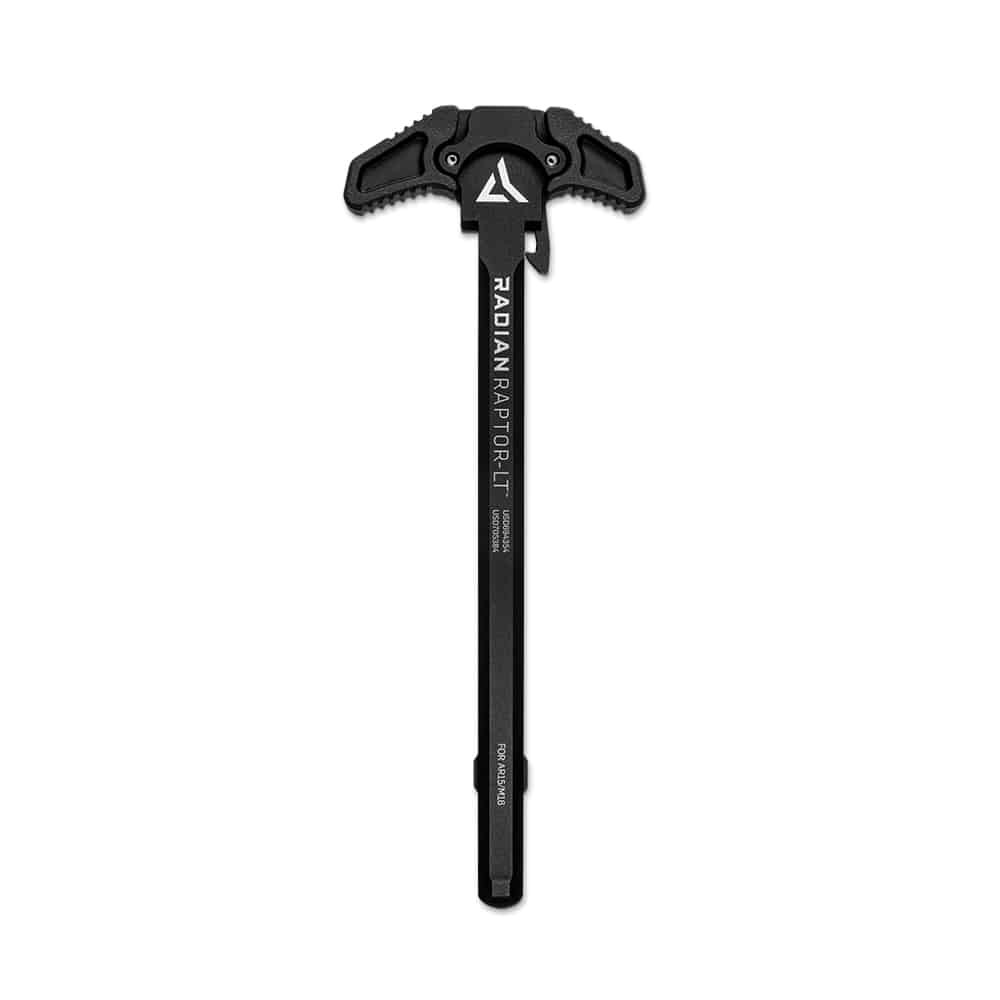
The “action” refers to the mechanism that handles the cartridge—loading, locking, firing, unlocking, extracting, and ejecting. Common types include bolt-action, lever-action, pump-action, and semi-automatic. Bolt-action rifles, known for precision, require manual operation of a bolt handle after each shot. Semi-automatic firearms, which encompass most modern handguns and rifles like the AR-15 platform, use the energy from the fired round to automatically cycle the action, loading the next cartridge from a magazine; one trigger pull fires one round. This is distinct from fully automatic (machine gun) fire, which is heavily regulated. Understanding the action is crucial for maintenance and operation. For instance, upgrading a component like a charging handle directly interfaces with the semi-automatic action of an AR-15.
Key Components: From Receiver to Muzzle
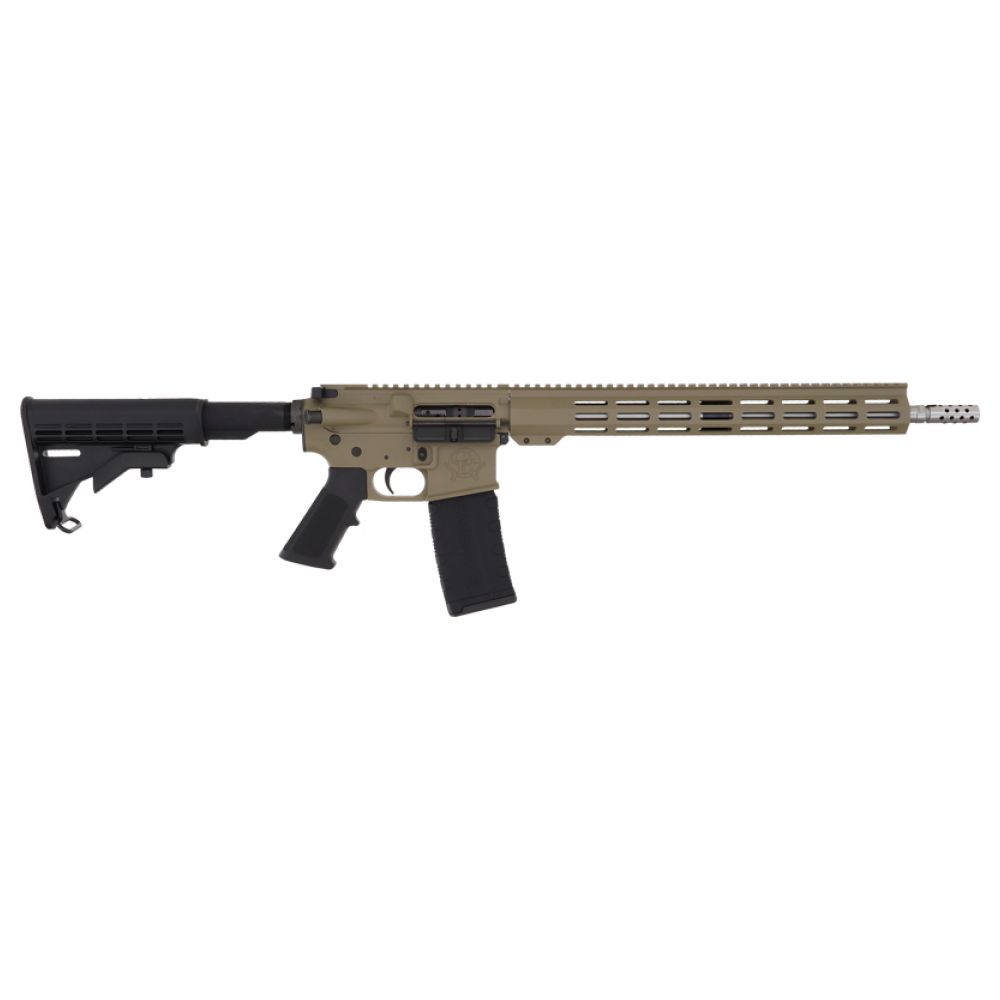
Every firearm is built around critical components. The receiver or frame is the legally defined “firearm” itself—the central housing that holds the firing mechanism. The barrel provides the directed path for the bullet. The action, as discussed, is the cycling mechanism. The firing control group includes the trigger, hammer, and disconnector. Sights or optics allow for aiming. Magazines or cylinders feed ammunition. Each part has a specific engineering tolerance and purpose. For example, the quality of a barrel’s rifling and chamber directly impacts accuracy, while the geometry of a trigger in our triggers collection affects the feel and break of the shot. A complete firearm like the FDE AR-15 represents the integration of all these components into a functional system.
Ammunition: The Fuel and the Projectile
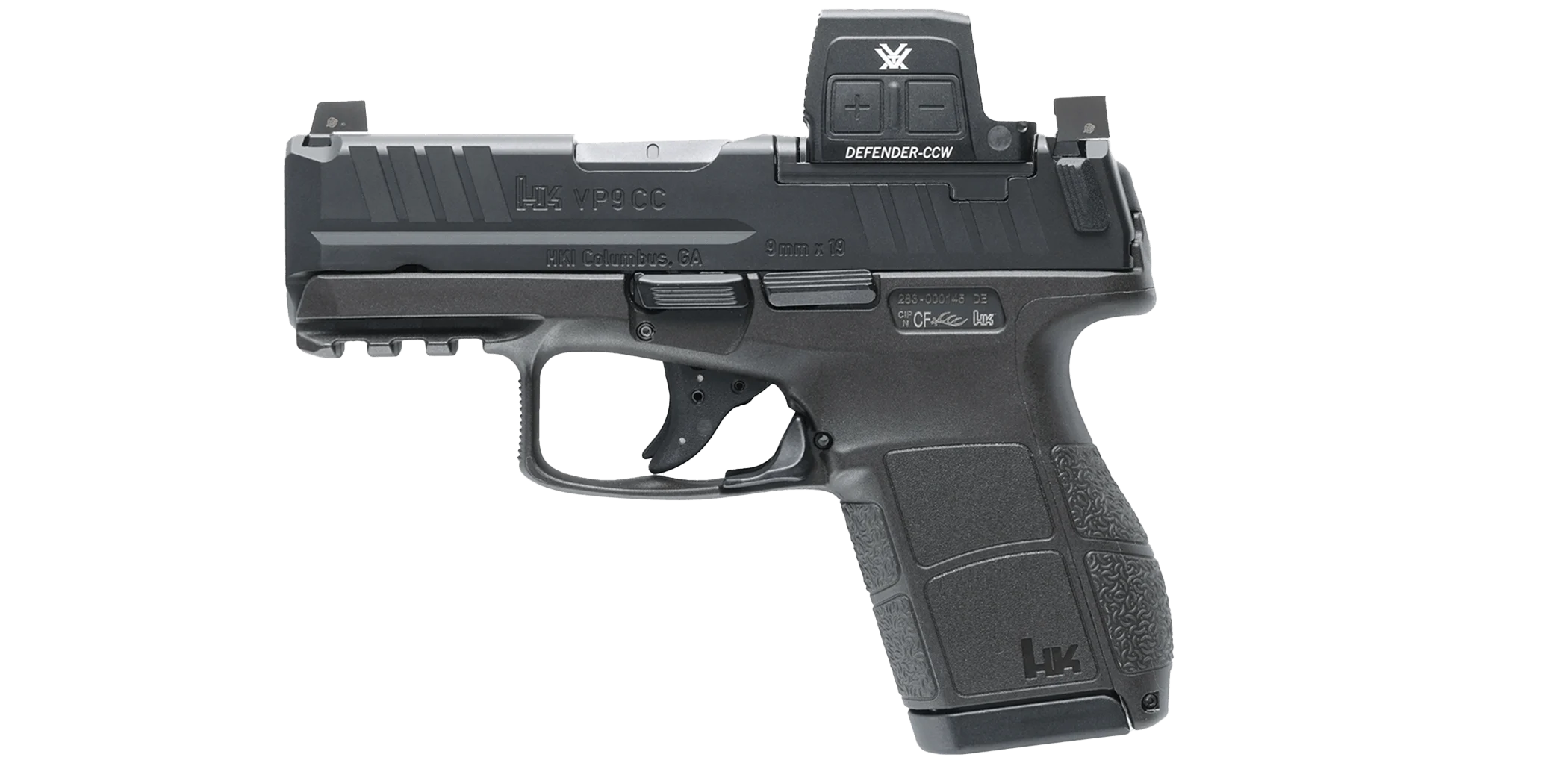
A firearm is useless without its ammunition. A cartridge is a complete unit consisting of the case, primer, propellant (powder), and projectile (bullet). Caliber refers to the approximate internal diameter of the barrel, measured in inches (e.g., .45) or millimeters (9mm). It must match the firearm’s chamber. Gauge, used for shotguns, is based on the weight of a lead ball that fits the bore. Understanding cartridge specifications like pressure (SAAMI standards) and bullet weight (grains) is essential for safe and effective shooting. The 9mm cartridge, used in pistols like those in our handguns collection, offers a balance of capacity, recoil, and stopping power that has made it the dominant service pistol caliber worldwide.
FAQ
What is a firearms identification card?
A Firearms Identification Card (FID or FID card) is a permit required by some states, like Massachusetts and New Jersey, to purchase, possess, or carry firearms and/or ammunition. It is separate from a permit to carry a concealed handgun. Issued by local police after a background check, an FID typically allows for the purchase of rifles and shotguns, but not handguns, which often require an additional permit.
What is firearms?
Firearms are portable barreled weapons that expel one or more projectiles through the deflagration (rapid burning) of a propellant. This mechanical definition encompasses handguns, rifles, and shotguns. Legally, the term also includes the core component, the frame or receiver, which houses the critical firing mechanisms.
What is firearms conspiracy?
Firearms conspiracy is a federal criminal charge under laws like the Gun Control Act of 1968. It involves an agreement between two or more people to commit a crime related to firearms, such as illegal trafficking, straw purchasing, or possession by a prohibited person. Prosecutors must prove the conspirators had an agreement and intended to break the law, even if the underlying crime was not completed.
Browse our firearms collection
Last updated: April 15, 2026