Firearms Guide Flash Drive: The Digital Armorer’s Kit
You’re at the bench, assembling a new upper, and you hit a snag with the barrel nut torque specs. Instead of digging through a dozen bookmarked forums, you plug in a dedicated flash drive and pull up the exact manufacturer’s technical data sheet in seconds. This is the practical reality of a firearms guide flash drive—a consolidated, portable library of critical knowledge.
What a Firearms Guide Flash Drive Actually Contains
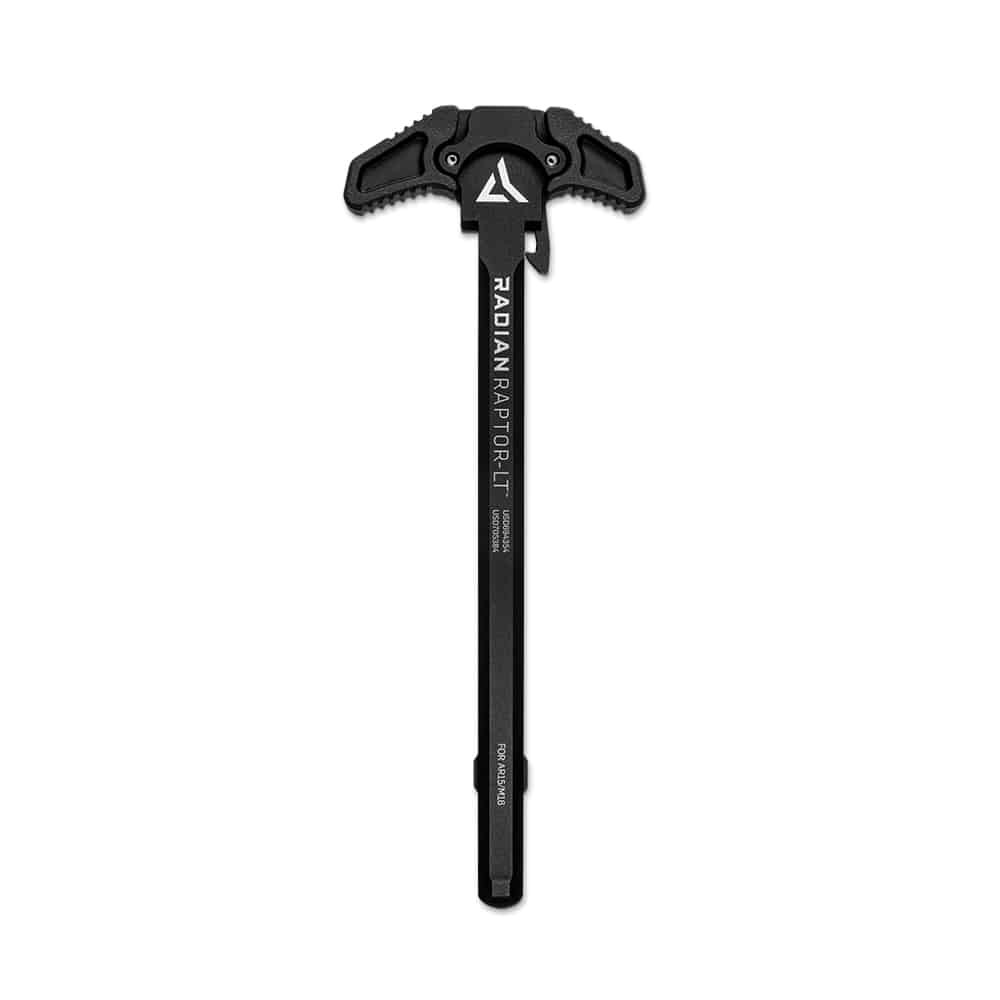
Forget vague promises of “information.” A properly built guide drive contains specific, actionable data. This includes complete PDF manuals for platforms like the AR-15, Glock Gen 1-5, and SIG P320 series. You’ll find armorers manuals for military specs like TM 9-1005-319-23&P for the M4. Crucially, it houses technical drawings with part numbers, torque specification charts for barrel nuts, buffer tubes, and scope mounts, and SAAMI pressure charts for cartridges like 5.56 NATO and 9mm Luger. It’s a first-party reference library, not a collection of blog posts. When you source parts from Highbridgearmory, having these factory guides on hand ensures you install that Radian Raptor LT or torque your barrel nut to the correct inch-pounds.
Building Your Own vs. Pre-Loaded Drives
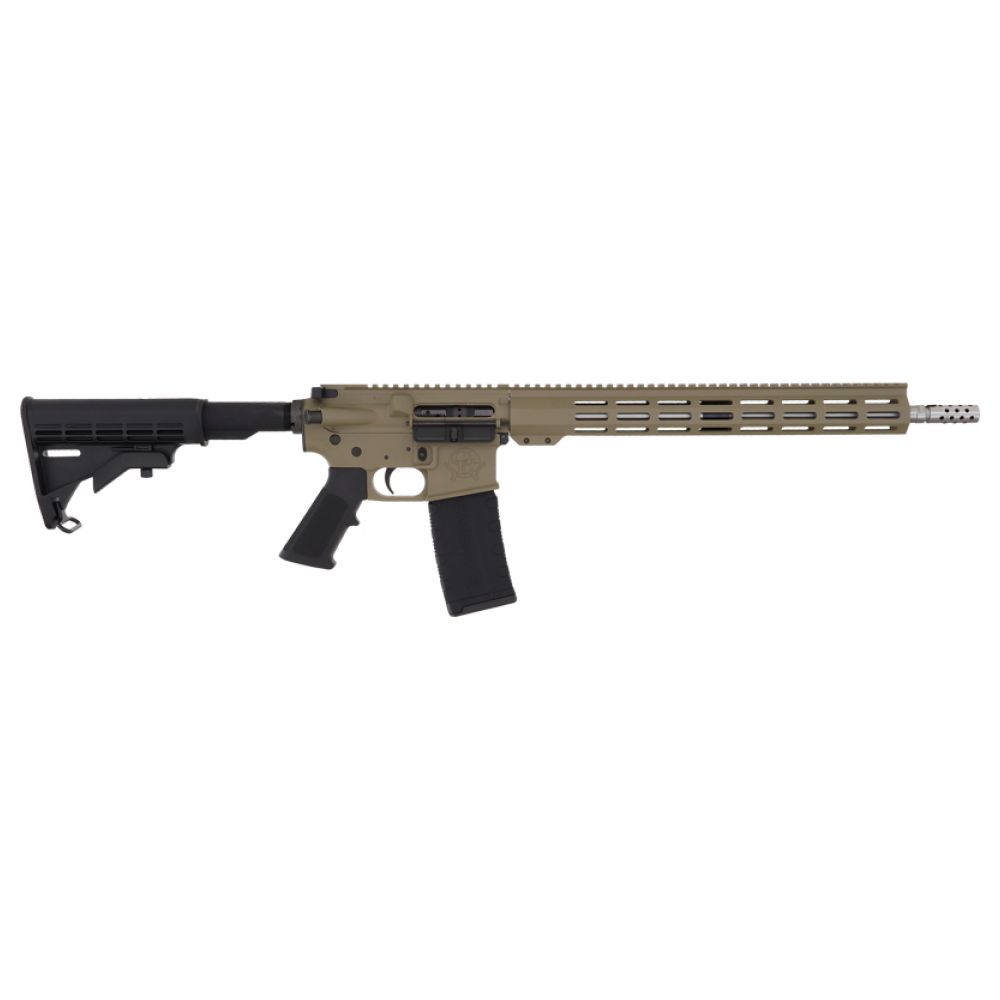
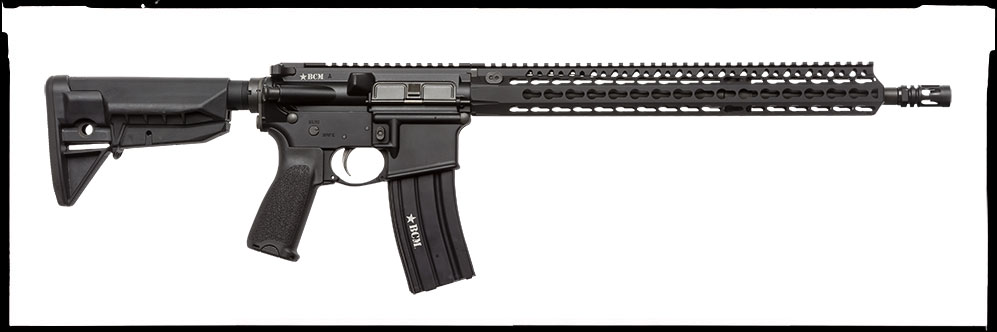
You have two paths: curate it yourself or buy a pre-loaded unit. Building your own is free but time-intensive. You’ll need to legally source manuals from manufacturer websites, organize them logically (e.g., /Manuals/Rifles/BCM/), and ensure you have the latest versions. Pre-loaded drives from reputable vendors offer convenience and often include hard-to-find military technical manuals. The downside is cost, typically $50-$150, and you must vet the seller’s credibility—some drives are packed with outdated or pirated material. For the builder working on a Sons of Liberty Gun Works M4-EXO2 Complete Lower, having the correct SOLGW wrench specs on the drive is worth the effort either way.
Essential Digital Documents for Every Owner
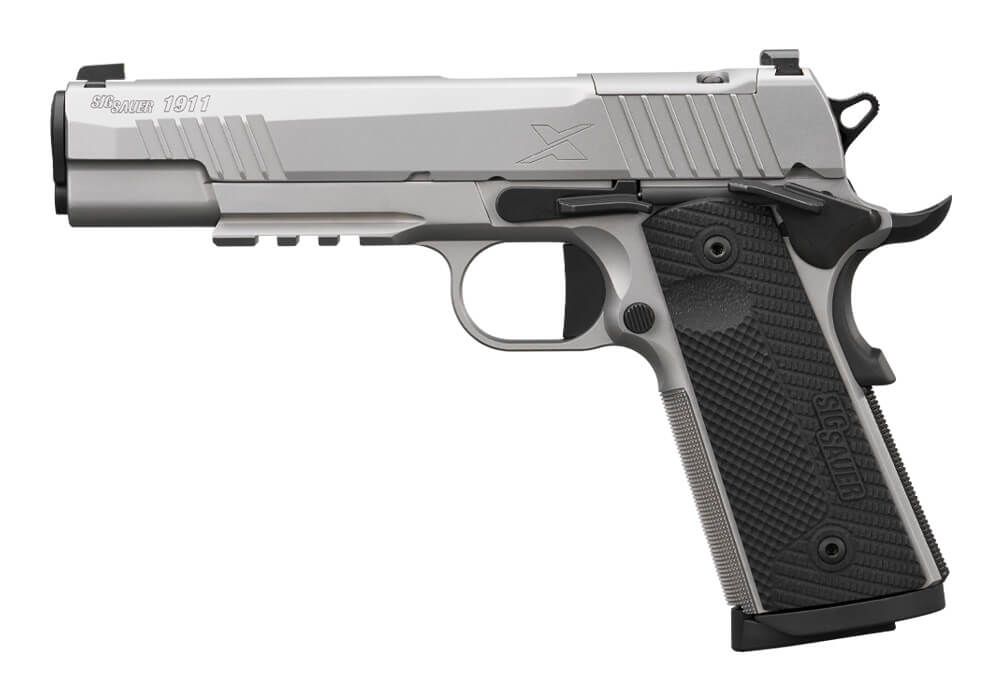
Regardless of your firearm, certain documents are non-negotiable. Start with the specific owner’s manual for every gun you own—download it from the maker’s site. Add the NRA’s “Firearms Owner’s Guide” for fundamental safety and handling. Include your state’s specific firearms statutes in PDF form. A detailed, photographed inventory of your own collection with serial numbers should be stored here as well, separate from cloud services. For modern pistols like the SIG Sauer P365 FUSE Comp, having the manual and armorers guide on hand is crucial for understanding its unique FCU and comp system.
Operational Security and Physical Storage
This drive contains sensitive data. Treat it like a spare key to your safe. Use hardware-encrypted USB drives from brands like Kingston or SanDisk with AES 256-bit encryption. Never label the drive obviously; use an innocuous label. Store it physically in a location separate from your firearms, such as a safe deposit box or a hidden home safe. Maintain two encrypted copies: one primary and one backup stored off-site. Update the contents bi-annually, especially after purchasing new firearms or parts from your trusted sources. When you buy a specialized firearm like the KelTec KP50 from Highbridgearmory, immediately add its manual to your drive and backup.
Integrating the Drive into Your Maintenance Routine
This tool shines during scheduled maintenance. Before you detail-strip your Glock, pull up the armorers manual for your specific generation. When installing a new trigger from our collection, have the installation guide and torque specs open. The drive should also contain a standardized cleaning checklist for each firearm type. For AR-15 platforms, include the M16A2 FM 3-22.9 manual for fundamental drills and function checks. Make consulting the drive the first step in any gunsmithing project, ensuring you never rely on memory for critical tolerances or procedures.
Frequently Asked Questions
How to check firearm license online?
There is no single national online license check. You must contact the issuing authority for your specific license type. For an FFL, use the ATF’s FFL eZ Check system on their website. For a state-issued concealed carry permit, you must check with your state’s law enforcement or permitting agency directly through their official portal.
How should a firearm be stored?
Firearms should be stored unloaded in a locked container, like a sturdy safe or lockbox, separate from ammunition. Use a cable lock or trigger lock in addition for layered security. The storage location should be dry, temperature-controlled, and inaccessible to unauthorized persons, especially children.
Browse our firearms collection
Last updated: April 05, 2026