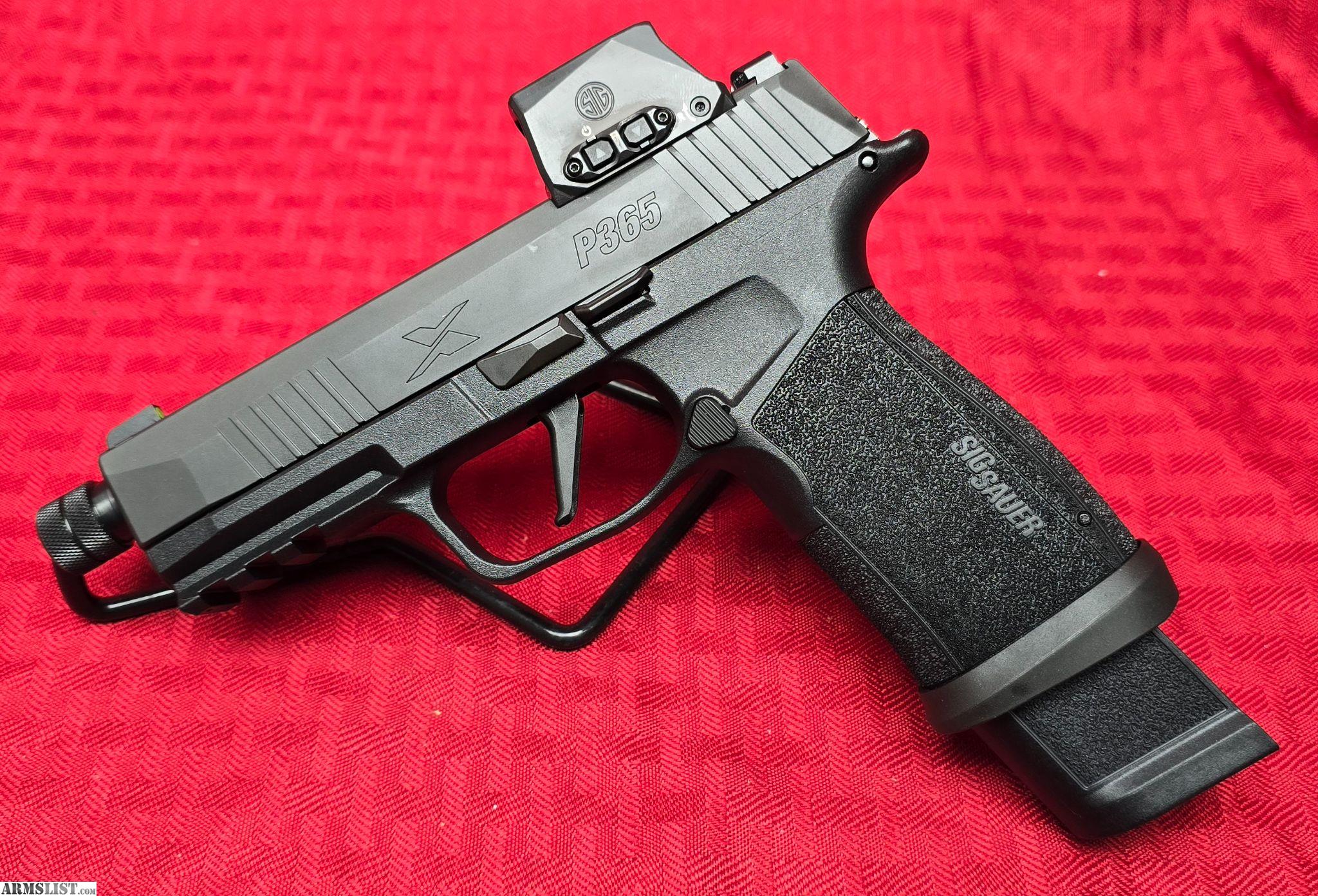
The Essential Firearms Maintenance Kit
I’ve seen too many $1,200 rifles fail at the range because someone thought a $5 cleaning rod was good enough. Your firearm is only as reliable as your maintenance routine – and that starts with the right tools. Here’s what actually works after 20 years of running ranges and training classes.
Core Components You Can’t Skip
Every kit needs these 5 non-negotiables: a solid one-piece cleaning rod (I prefer Dewey’s 36″ stainless at $45), bore brushes matched to your caliber (get quality brass ones, not cheap steel), jag tips for patches (not just loops), a proper bench block ($22 for the Real Avid model), and quality lubricant (I’ve run Lucas Oil CLP through 5,000+ rounds without issues). Forget the gimmicky “all-in-one” tools – they break when you need them most. At Highbridgearmory, we stock individual components so you can build a kit that fits your specific firearms.
Specialty Tools Worth the Investment
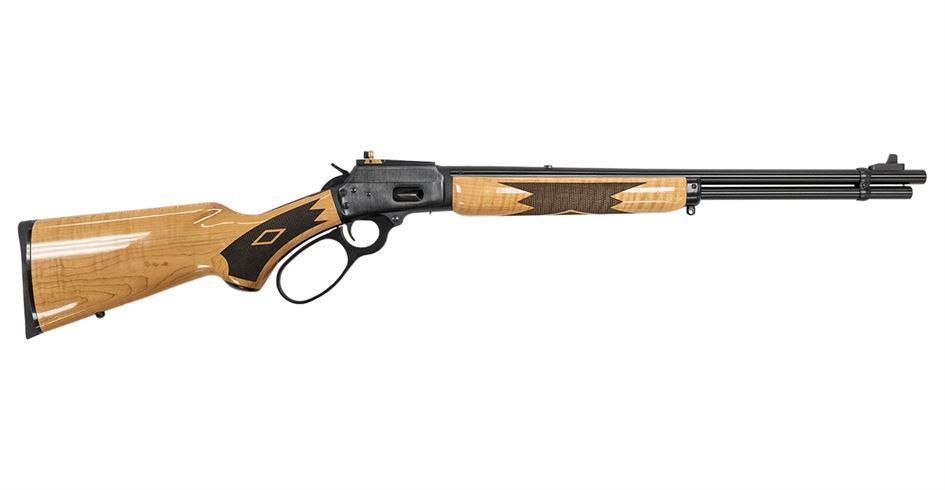
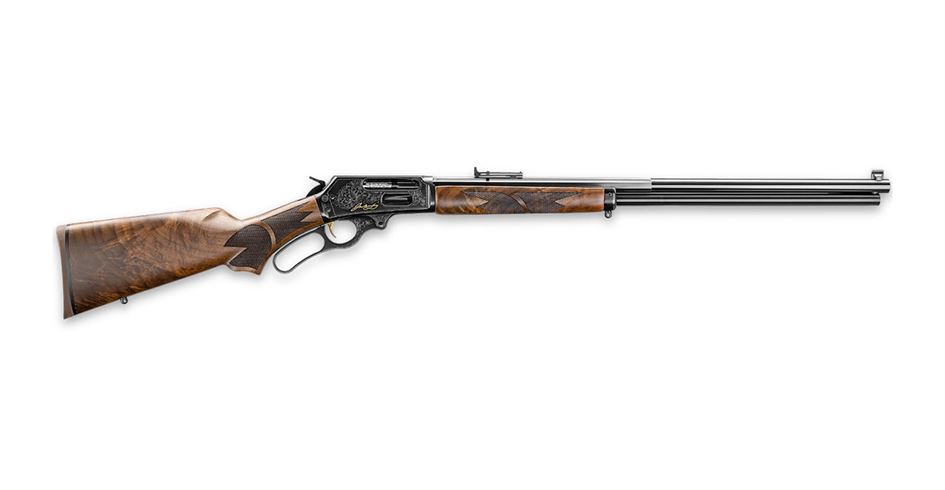
Once you’ve got the basics, add these game-changers: a bore scope ($150+ for a decent one) to actually inspect rifling, a torque wrench (Wheeler FAT wrench at $89) for scope mounts, and a brass punch set ($35). For AR owners, the Real Avid AR15 Master Armorer’s Kit ($129) covers every pin and spring. Lever-action shooters need a good hammerless takedown tool – Marlin owners should grab the 1894-specific tool we carry for $28.

Cleaning Chemicals That Actually Work
Skip the aerosol cans – they’re messy and inconsistent. For carbon buildup, Slip 2000 Carbon Killer ($15/4oz) outperforms anything I’ve tested. Copper fouling requires a dedicated solvent like Bore Tech Eliminator ($18/4oz). Lubrication depends on climate: in dry conditions, Cherry Balmz Black ($22) lasts longer than oils; for humid areas, Lucas Oil Extreme Duty CLP ($10/4oz) prevents rust better. Pro tip: Store chemicals upright – I’ve seen more leaks in range bags than I can count.
Storage and Organization
Your kit needs protection from dirt and moisture. The Plano All Weather Tactical Case ($49) fits full-length rods while staying waterproof. For range days, MTM’s AC4S Ammo Can Cleaning System ($35) keeps everything organized. Label your brushes – I use colored heat shrink tubing to mark caliber sizes. Store patches in ziplocks with desiccant packs (change them every 6 months).
Maintenance Schedule by Firearm Type
AR-15s need a basic clean every 500 rounds (full breakdown at 2,000). Bolt actions can go 1,000+ rounds between deep cleans if you’re just swapping barrels. Lever guns like the Marlin 444 demand more frequent action cleaning – every 200 rounds minimum. Carry pistols? Monthly cleaning regardless of round count. Always do a function check after reassembly – test the safety, trigger, and mag release before loading.
How often should I replace cleaning brushes?
Replace bore brushes every 300-400 passes (about 10 deep cleanings). Chamber brushes last longer – replace when bristles bend permanently. Always inspect brushes for metal fatigue before use.
Can I use the same kit for multiple calibers?
Yes, but you need separate brushes and jags for each caliber. A .30 cal brush won’t properly clean a .223 bore. Invest in caliber-specific adapters – they’re cheaper than replacing damaged barrels.
What’s the most overlooked maintenance tool?
A dental mirror ($8 at auto parts stores). Lets you inspect hard-to-see areas like bolt faces and firing pin channels without full disassembly. Second place goes to a good flashlight – not your phone’s light.
Browse our firearms collection
Last updated: May 20, 2026