
Firearms Act Minimum Sentences Explained
Under 18 U.S.C. § 924(c), using or carrying a firearm during a federal crime of violence or drug trafficking crime triggers a mandatory minimum sentence of 5 years. If the firearm is brandished, it’s 7 years. If it’s discharged, it’s 10 years. These sentences must run consecutively to any other sentence imposed, meaning they stack on top of time for the underlying crime. This isn’t theoretical; it’s a concrete reality that has filled federal prisons for decades, and its application hinges on specific, often misunderstood, legal definitions.
The Core Statute: 18 U.S.C. § 924(c)
The law is brutally straightforward in its structure. The base offense is using or carrying a firearm “during and in relation to” or possessing a firearm “in furtherance of” a qualifying crime. The “during and in relation to” language is key—the firearm must have some purpose or effect related to the crime. Mere possession at the scene isn’t always enough. However, “in furtherance of” is a broader standard, often met if the firearm is readily accessible for use. The sentencing escalators for brandishing or discharging are fact-driven. “Brandishing” includes all but the most incidental showing of the firearm. These mandatory minimums are not discretionary; judges cannot sentence below them, regardless of circumstances. This rigidity is the statute’s defining and most controversial feature.
What Qualifies as a “Crime of Violence”?
This definition is a legal minefield. The statute points to two definitions. The “elements clause” covers any felony that has as an element the use, attempted use, or threatened use of physical force. This includes offenses like armed robbery, carjacking, and certain assaults. The “residual clause,” which covered felonies that by their nature involve a substantial risk of physical force, was ruled unconstitutionally vague by the Supreme Court in United States v. Davis (2019). Post-Davis, prosecutors must prove the underlying felony meets the “elements clause” test to apply a 924(c) charge. This has led to countless appeals and reversals for convictions predicated on now-invalid residual clause crimes like federal conspiracy.
Stacking Charges and “Second or Subsequent” Convictions
This is where sentences become draconian. If a defendant is convicted on multiple 924(c) counts from the same indictment or proceeding, each count carries its own mandatory minimum, and they must be served consecutively. This is known as “stacking.” For example, two counts for brandishing firearms during two separate drug transactions in the same case would result in a mandatory 14-year sentence (7 years + 7 years), on top of the drug sentence. Furthermore, a “second or subsequent conviction” under 924(c) triggers a 25-year mandatory minimum. Critically, this “second” conviction can be charged in the same indictment as the first. This provision has been reformed slightly by the First Step Act of 2018, which now limits the 25-year minimum to true recidivists—those with a prior 924(c) conviction that has already become final.
Legal Defenses and Recent Reforms
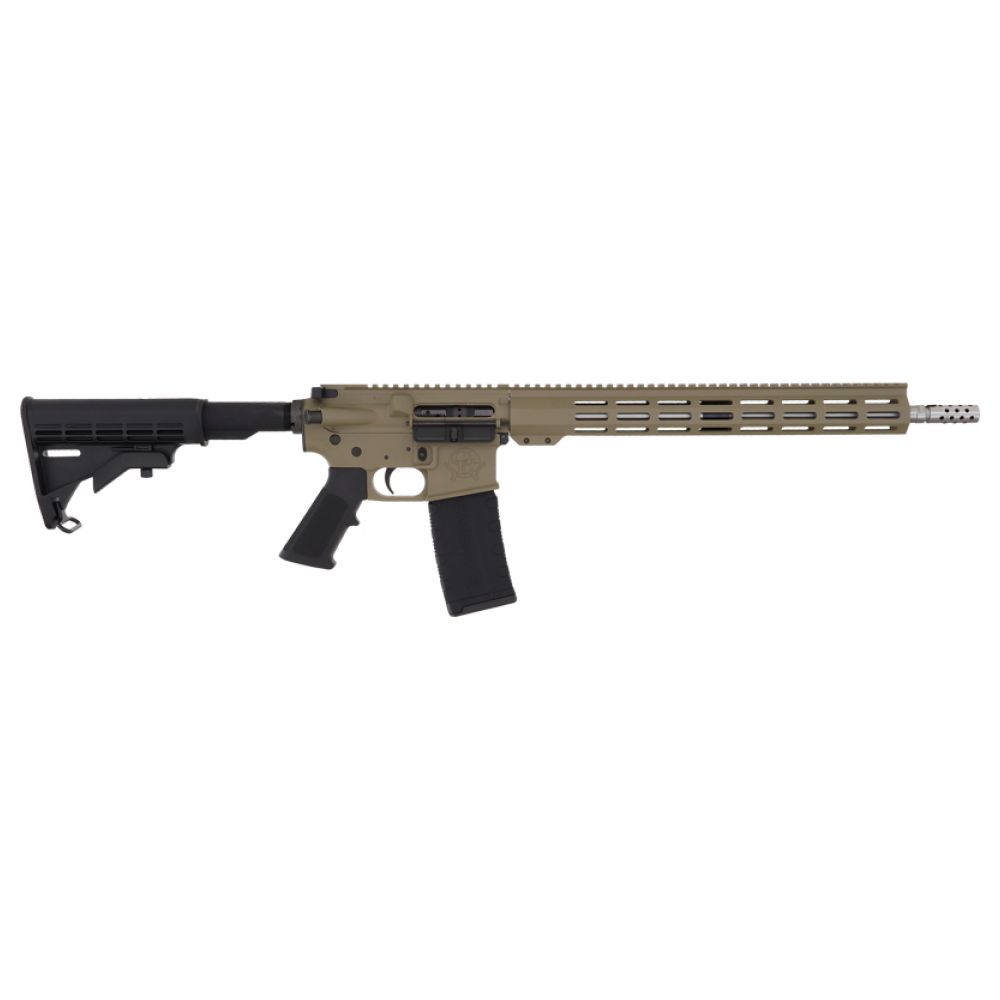
Defenses often focus on attacking the predicate “crime of violence” post-Davis, or arguing the firearm wasn’t used “in relation to” the crime. Mere presence of a gun in a car used for a drug deal may be insufficient without proof it was strategically placed for use. The First Step Act’s changes to “stacking” were a significant reform, but the core mandatory minimums remain. Prosecutorial discretion is immense—the decision to charge 924(c) often forces plea deals. For responsible owners, the lesson is stark: lawful possession is paramount. The legal line separating a tool for sport, like the FDE AR-15 from Highbridgearmory, from a sentencing enhancer is defined entirely by the context of its use. Understanding these statutes is a critical part of responsible firearm ownership.

Practical Implications for Firearm Owners
For the lawful gun owner, this law underscores the absolute necessity of compliance and situational awareness. Your firearm must only be used in strict accordance with self-defense laws and never in the commission of any unlawful act. The mandatory minimums apply even to first-time offenders with no prior record. If you use a firearm, even one lawfully purchased from a dealer like Highbridgearmory, during a felony, you are facing a guaranteed 5-year federal prison stint minimum. This is separate from state charges. It also highlights why understanding what constitutes a “crime of violence” is crucial. Transporting your firearm and ammunition, such as 300 Blackout hunting ammo, must be done in a manner that cannot be construed as “in furtherance of” a crime—meaning unloaded, secured, and in compliance with all transportation laws.
Does a mandatory minimum apply if the firearm wasn’t fired?
Yes. The base mandatory minimum of 5 years applies for using or carrying the firearm “during and in relation to” the crime. You do not need to fire it. The act of carrying it with the intent to further the crime is sufficient for the 5-year sentence.
Can these sentences run concurrently with state time?
No. Federal law requires 18 U.S.C. § 924(c) sentences to run consecutively to any other sentence, state or federal. This includes the sentence for the underlying predicate crime. They are always an add-on.
Are there any exceptions to the mandatory minimum?
Extremely few. The “safety valve” provision that allows judges to sentence below mandatory minimums for certain non-violent drug offenders does NOT apply to 924(c) charges. The only major exception is through a Rule 35 motion for substantial assistance, where the defendant provides crucial help to the government in prosecuting another person.
Browse our firearms collection
Last updated: April 19, 2026