
State Firearms Laws: A Practical Guide
You can legally purchase a ZEV Technologies OZ-9C Hyper-Comp from Highbridgearmory in Texas, but taking possession of it in New York City could land you in prison. This is the reality of navigating state firearms laws. Federal law sets a baseline, but your local address dictates what you can own, carry, and where you can take it. Ignorance isn’t a defense, and the differences aren’t minor.
The Foundation: Federal Law vs. State Preemption
Federal law, primarily the Gun Control Act of 1968 and the National Firearms Act of 1934, governs interstate commerce, prohibits certain persons from possessing firearms, and regulates “NFA items” like machine guns, suppressors, and short-barreled rifles. However, the critical concept is state preemption. States have the authority to enact laws that are more restrictive than federal law. There is no state that is less restrictive on the core prohibitions. For example, while federal law allows the purchase of a rifle at age 18, several states, like California and Washington, have raised that minimum age to 21. A key federal protection for lawful transport, FOPA (Firearm Owners Protection Act), provides a “safe passage” provision, but its application during unexpected stops in restrictive states is a legal gray area that requires meticulous planning.
Navigating “Assault Weapon” and Magazine Bans
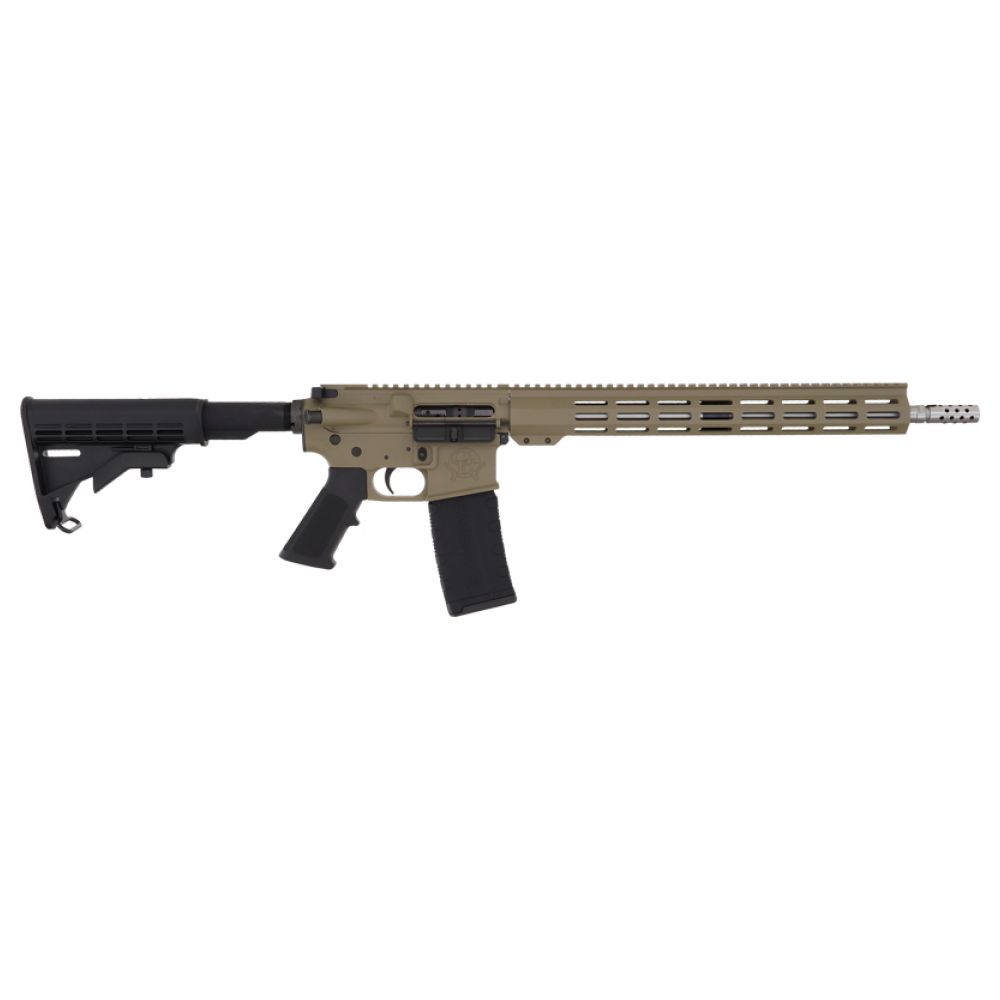
This is where state laws diverge most dramatically. States like California, New York, New Jersey, and Massachusetts have their own definitions of “assault weapons,” often based on cosmetic features. A standard AR-15 rifle may be completely illegal to purchase new in these states unless it is modified into a “featureless” configuration or uses a fixed magazine. Magazine capacity is another major fault line. Colorado, Vermont, and others limit magazines to 15 rounds, while California, New York, and others impose a 10-round limit. Purchasing a firearm that ships with a standard-capacity magazine to a ban state requires the FFL to permanently block or replace that magazine before transfer, which we handle directly for customers at Highbridgearmory.
Concealed Carry: From Constitutional to May-Issue
Carry laws define daily life for armed citizens. The spectrum runs from “Constitutional Carry” (permitless carry for lawful individuals) in states like Texas, Tennessee, and Arizona, to “Shall-Issue” states where permits are required but shall be issued if you meet objective criteria. The most restrictive are “May-Issue” states like New York, New Jersey, and California, where local authorities have broad discretion to deny permits, often effectively limiting them to certain professions. Reciprocity—whether your home state’s permit is recognized elsewhere—is a complex web. A Texas LTC is honored in over 35 states, but provides no coverage in the Pacific Northwest or most of the Northeast. Always verify current reciprocity maps before traveling.

Private Sales, Ammunition, and “Other Weapons”
Beyond the firearm itself, states regulate the transaction and accessories. Federal law requires all commercial sales (like those from Highbridgearmory) to go through a licensed FFL with a background check. However, private sales between individuals are treated differently. Some states, like Florida and Texas, allow private sales without a background check. Others, like Colorado and Nevada, now require all transfers to use an FFL. Ammunition sales are also increasingly targeted; California requires a background check for ammo purchases, and Illinois requires a FOID card. Even components like our Large Rifle Magnum Primers can be regulated. Finally, be aware of state-specific bans on items like “Glock switches” (auto-sears), which are strictly regulated NFA items federally but carry enhanced penalties in many states.
Practical Steps for Interstate Compliance
The first rule is to know the laws of your state of residence and any state you plan to visit with a firearm. Before you order, confirm your local FFL is willing to receive the firearm and can make any necessary state-compliant modifications. For ammunition, check your state’s shipping restrictions; we comply with all of them at checkout. When traveling, unloaded and locked storage in the trunk is the bare minimum; in restrictive states, ammunition should be stored separately. For NFA items like suppressors, you must file an ATF Form 20 for interstate transport. The key is proactive verification—never assume. Resources like state attorney general websites and trusted organizations like USCCA provide updated guides, but consulting with a local firearms attorney for complex situations is a wise investment.
Can I buy a firearm online from a state with less restrictive laws and have it shipped to me?
Yes, but with a critical caveat. When you purchase a firearm from Highbridgearmory online, it must be shipped to a Federal Firearms License (FFL) holder in your state of residence. That FFL will then conduct the required federal background check (NICS) and must also ensure the firearm complies with all laws of your state before transferring it to you. We cannot ship a firearm directly to your door.
If I have a concealed carry permit from my home state, is it valid when I travel?
Maybe. This depends entirely on reciprocity agreements between states. A permit from a state like Utah or Florida has broad recognition, while a permit from a “May-Issue” state like New York may have almost none. Some states, like Constitutional Carry states, allow permitless carry for non-residents who are eligible in their home state. You must research the specific laws of each state you will be driving through and staying in. Do not rely on a single map, as laws change frequently.
Are high-capacity magazines I own legally grandfathered in ban states?
> It depends on the specific state law. Some states, like Colorado, have a grandfather clause allowing possession of magazines owned before the ban date (July 1, 2013, in CO). Others, like New York’s SAFE Act, required disposal, modification, or removal from the state. California’s law has changed several times, creating complex legal traps. In states with no grandfather clause, mere possession is a crime. You must know the exact text of your state’s law and its effective dates. When in doubt, do not bring standard-capacity magazines into a restrictive state.
Browse our firearms collection
Last updated: April 18, 2026