Firearms Maintenance: A Non-Negotiable Duty
A single grain of sand in your bolt carrier group can cause a malfunction when you need your rifle most. That’s not a hypothetical; it’s a lesson learned the hard way on dusty ranges. Your firearm is a mechanical system, and like any precision tool, its reliability is directly tied to the care you provide. This isn’t about making it look pretty—it’s about ensuring it goes bang every single time you pull the trigger.
The Core Tools You Actually Need
Forget the fancy kits with 50 pieces you’ll never use. Start with the essentials. You need a solid cleaning rod—preferably a one-piece carbon fiber or coated steel rod to avoid bore damage. Get a .22, .30, and .45 caliber bronze brush, along with corresponding jag tips and patches. A quality solvent like Hoppe’s No. 9 or Break-Free CLP is mandatory for breaking down carbon and copper fouling. For lubrication, I use Lucas Oil Extreme Duty Gun Oil on sliding parts and a heavier grease like Slip 2000 EWG on high-pressure points like bolt lugs. A set of proper gunsmithing screwdrivers from Wheeler or Real Avid will prevent you from stripping screw heads. That’s the core kit. Everything else is a luxury.
The AR-15 Field Strip & Clean
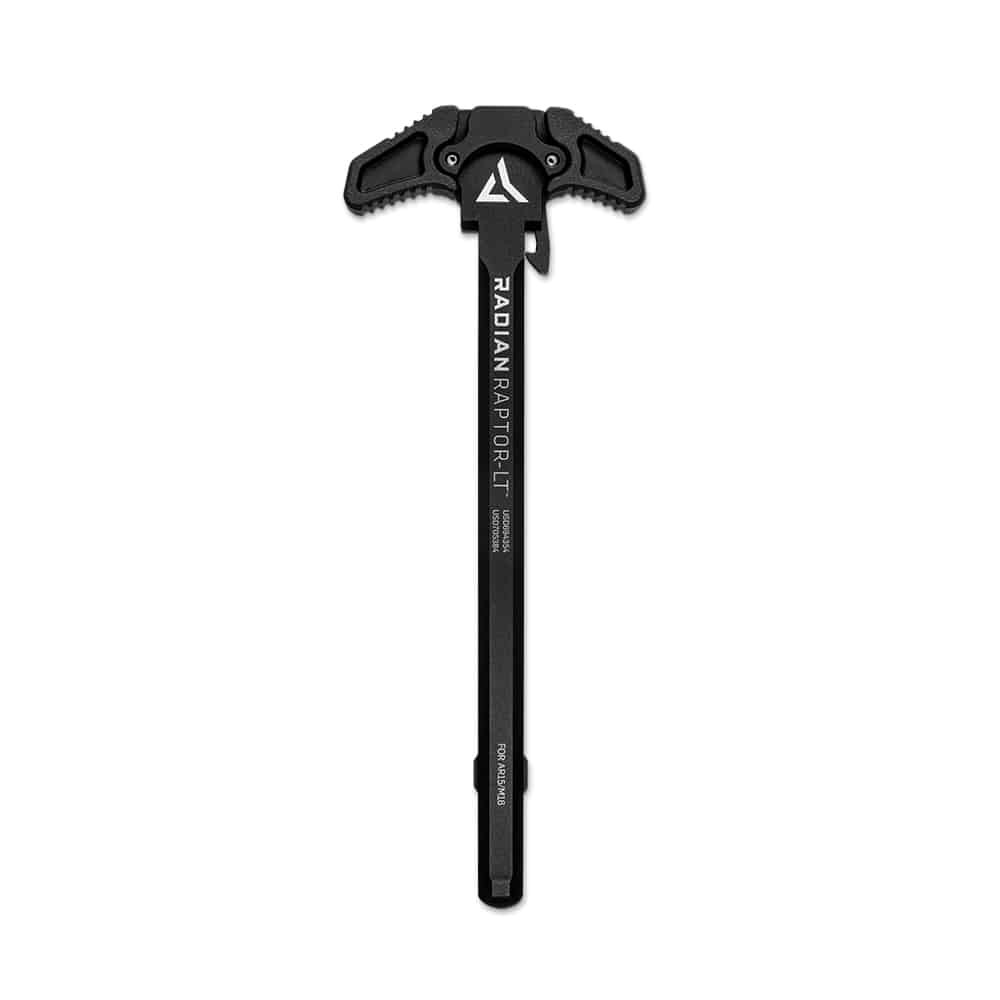
Start by ensuring the weapon is clear. Depress the rear takedown pin and pivot the upper receiver open. Remove the bolt carrier group by pulling the charging handle rearward. From here, separate the bolt from the carrier by pushing out the cam pin. This gives you access to the firing pin and gas rings. Soak the bolt in solvent, scrub the carbon from the tail and gas rings with a brush, and wipe down the carrier interior. Pay close attention to the gas key—it should be staked and tight. Run a bore snake or patched rod through the barrel from the chamber end. A light coat of oil on the bolt and carrier rails, and a drop on the trigger group contact points, is all you need. Over-lubrication attracts grit.
Modern Pistol Maintenance Protocol
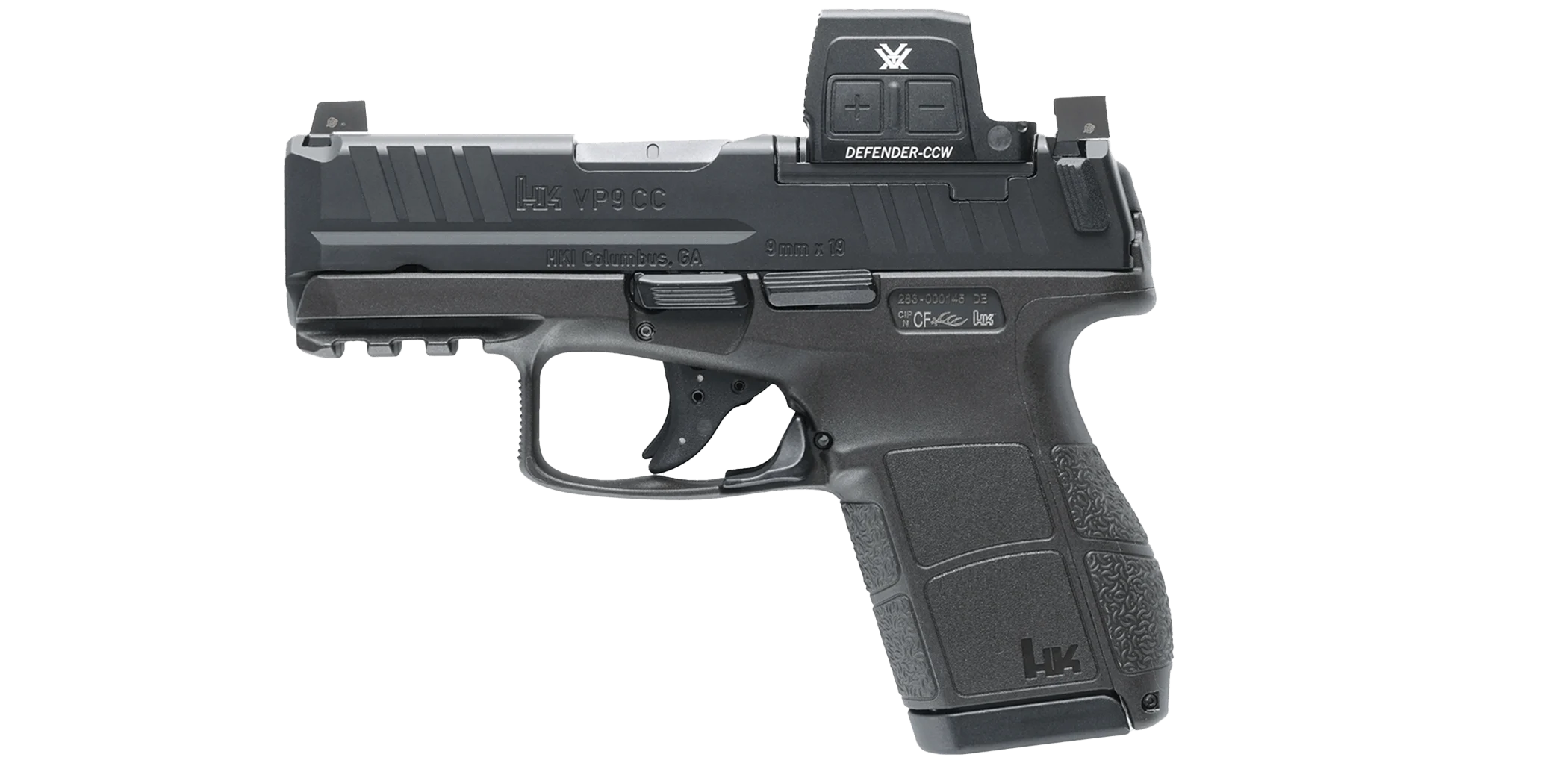
Striker-fired pistols like the SIG P365 or a HK VP9 require a specific focus. After field-stripping per the manual, direct your attention to the striker channel in the slide. Carbon and debris can accumulate here, leading to light strikes. Use a cotton swab dampened with solvent to clean it out, followed by a dry swab. Do not oil the striker channel. For the slide, lubricate the four main rails with a thin line of oil. On the barrel, apply a light coat to the hood, lug, and exterior where it contacts the slide. The most critical step is wiping down the feed ramp—a dirty ramp is a primary cause of failure-to-feed malfunctions. A clean, lightly oiled pistol runs smoother and is more reliable for carry.
Inspection & Long-Term Storage
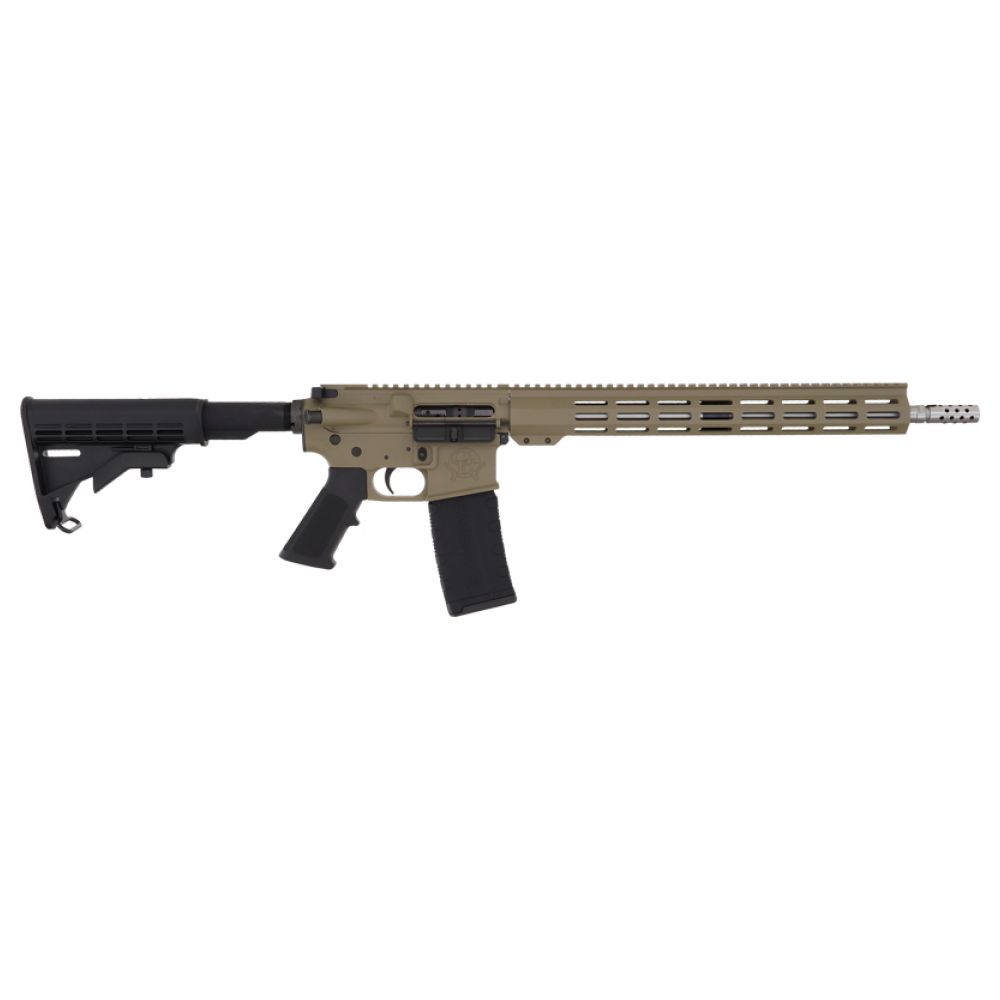
Cleaning isn’t just about removing grime; it’s your chance to inspect for wear and damage. Check for cracks in the bolt lugs, especially on a high-round-count AR-15 like a BCM RECCE-16. Look for unusual wear patterns on the barrel extension and the locking lugs on your bolt. Inspect the buffer spring for set and replace it every 5,000 rounds. For long-term storage, you need to prevent corrosion. Apply a light, even coat of a quality preservative oil like Eezox or CorrosionX to all metal surfaces. Store the firearm in a silicone-impregnated gun sock or a safe with a golden rod dehumidifier. Avoid foam-lined cases for storage, as they trap moisture against the metal. A properly stored firearm from Highbridgearmory will remain ready for decades.
Common Mistakes & How to Avoid Them
The number one mistake is over-cleaning. Aggressive brushing with a bore brush can wear out a barrel faster than shooting it. Use a bore guide and a jag with patches for the final passes. Second is over-lubrication. Oil is not a protectant; it’s a lubricant. Excess oil will gum up in cold weather and attract abrasive particles. “Wet” is for assembly; “damp” is for operation. Third, using the wrong tools. A cheap multi-tool will mar your finish and damage screws. Invest in proper tools. Finally, neglecting magazines. Drop your mags, disassemble the followers and springs, and wipe them down every few range sessions. A failure to feed is often a dirty magazine spring. Your maintenance routine is only as strong as its weakest link.
How often should I clean my firearm?
Clean it after every range session. Fouling is acidic and attracts moisture, which leads to corrosion. For a carry pistol, a quick field strip and wipe-down every two weeks is wise to remove lint and body salts. A rifle stored in a safe can go longer between deep cleans, but a visual inspection monthly is a good habit.
Can I use WD-40 on my gun?
No. WD-40 is a water-displacing solvent and a poor lubricant. It will evaporate and leave a gummy residue that attracts dust. It is not designed for the friction and heat of firearm operation. Use a dedicated gun oil and solvent. Products like Ballistol or Break-Free CLP are formulated for this specific purpose.
Do I need to clean a brand-new firearm before first use?
>Yes, always. Factories apply preservative oils and grease for shipping that are often too thick for reliable operation. You need to remove this packing grease, lubricate the firearm properly with a quality gun oil, and inspect it for any manufacturing debris or issues before firing your first round.
Browse our firearms collection
Last updated: April 15, 2026