How to Get a Firearm License
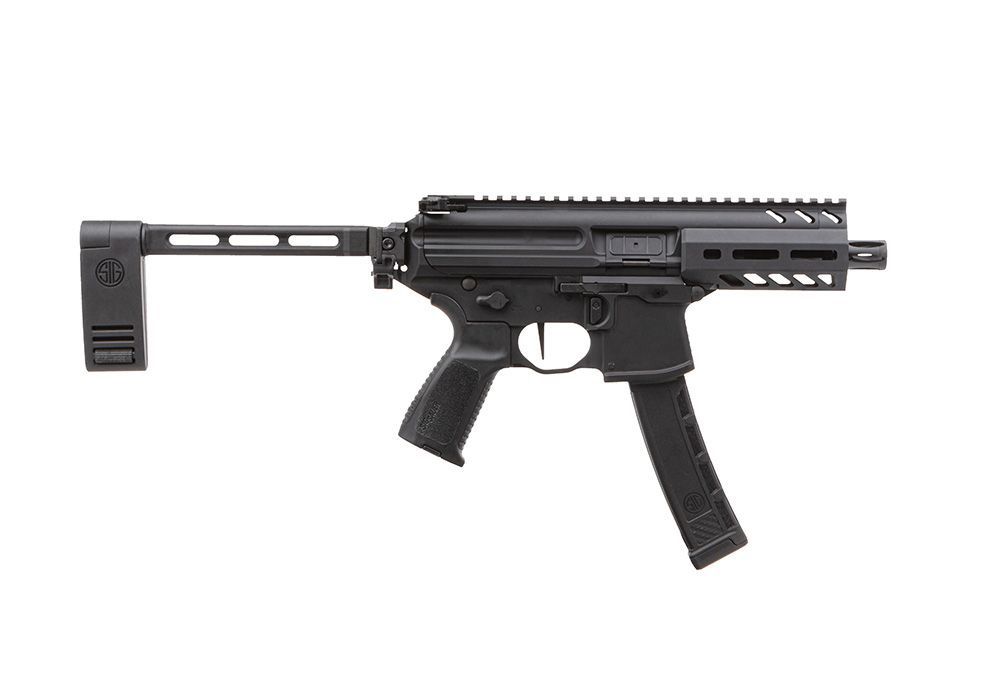
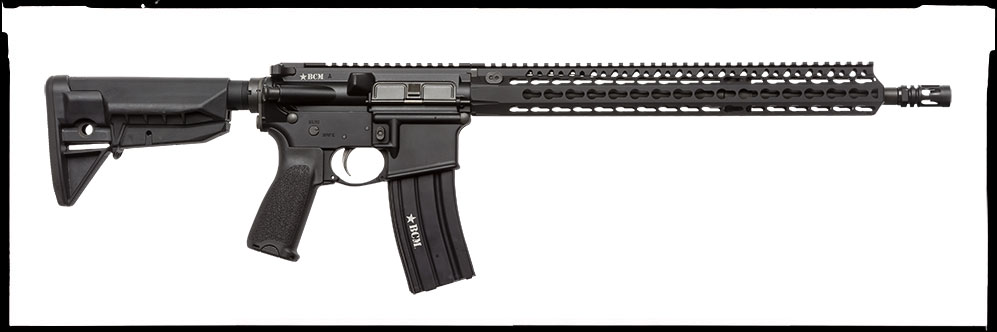
You’ve decided to purchase your first firearm, perhaps a SIG Sauer P365 FUSE Comp 9mm for concealed carry or a BCM RECCE-16 for the range. Before you can complete that transaction at Highbridgearmory or any FFL, you need to understand the legal gateway: the firearm license or permit. This isn’t a one-size-fits-all process; it’s dictated by your state of residence and the type of firearm you intend to own.
Understanding Federal vs. State Jurisdiction
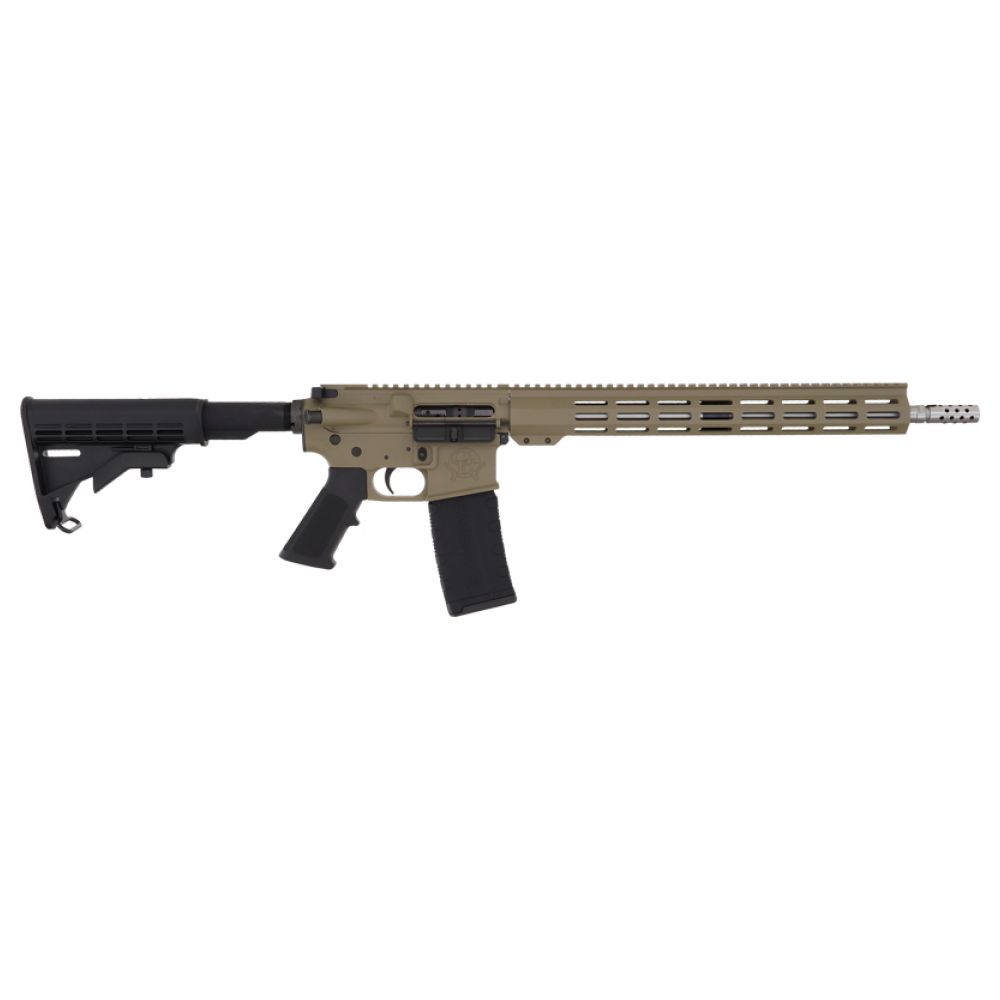
Contrary to popular belief, there is no federal “firearm license” required for most private ownership. The National Firearms Act (NFA) governs specific items like machine guns, suppressors, and short-barreled rifles, requiring a tax stamp and extensive background check. For standard rifles, shotguns, and handguns, the primary regulation is state-level. For instance, purchasing a Sons of Liberty Gun Works M4-EXO2 Complete Lower in Texas requires only a federal Form 4473 background check at your dealer. In states like New York or California, that same lower receiver would require a state-issued permit or certificate. The first step is always to identify your state’s specific classification: is it a “shall-issue,” “may-issue,” or constitutional carry state? This determines the entire path forward.
The Core Process: Background Checks and Waiting Periods
The universal component is the FBI’s National Instant Criminal Background Check System (NICS). When you buy from a licensed dealer like Highbridgearmory, your chosen FFL will run this check. You’ll fill out ATF Form 4473, answering questions about criminal history, mental health adjudications, and drug use. A “proceed” response typically allows the transfer to complete immediately, barring state-mandated waiting periods. For handguns, many states impose a waiting period, often 3-10 days, regardless of the NICS result. Some states, like Illinois, require a Firearm Owner’s Identification (FOID) card before you can even handle a firearm in a store. Always factor this time into your purchase plan for that new KelTec KP50.
State-Specific Permits: Concealed Carry and Purchaser IDs
This is where complexity spikes. For concealed carry, most states issue a License to Carry (LTC) or Concealed Carry Weapon (CCW) permit. “Shall-issue” states (e.g., Florida, Arizona) grant permits to all applicants who meet objective criteria: a training course, fingerprinting, clean background, and a fee. “May-issue” states (e.g., New Jersey, Hawaii) grant broad discretion to authorities, making permits difficult to obtain. Separate from carry permits, states like Massachusetts require a Firearms Identification Card (FID) to purchase any firearm, and a License to Carry (LTC) for handguns. The training requirement is non-negotiable; a typical course involves live-fire qualification, safety instruction, and legal education. Once you have your permit, you can legally carry a firearm like the popular P365 platform.
Maintaining Compliance and Renewals
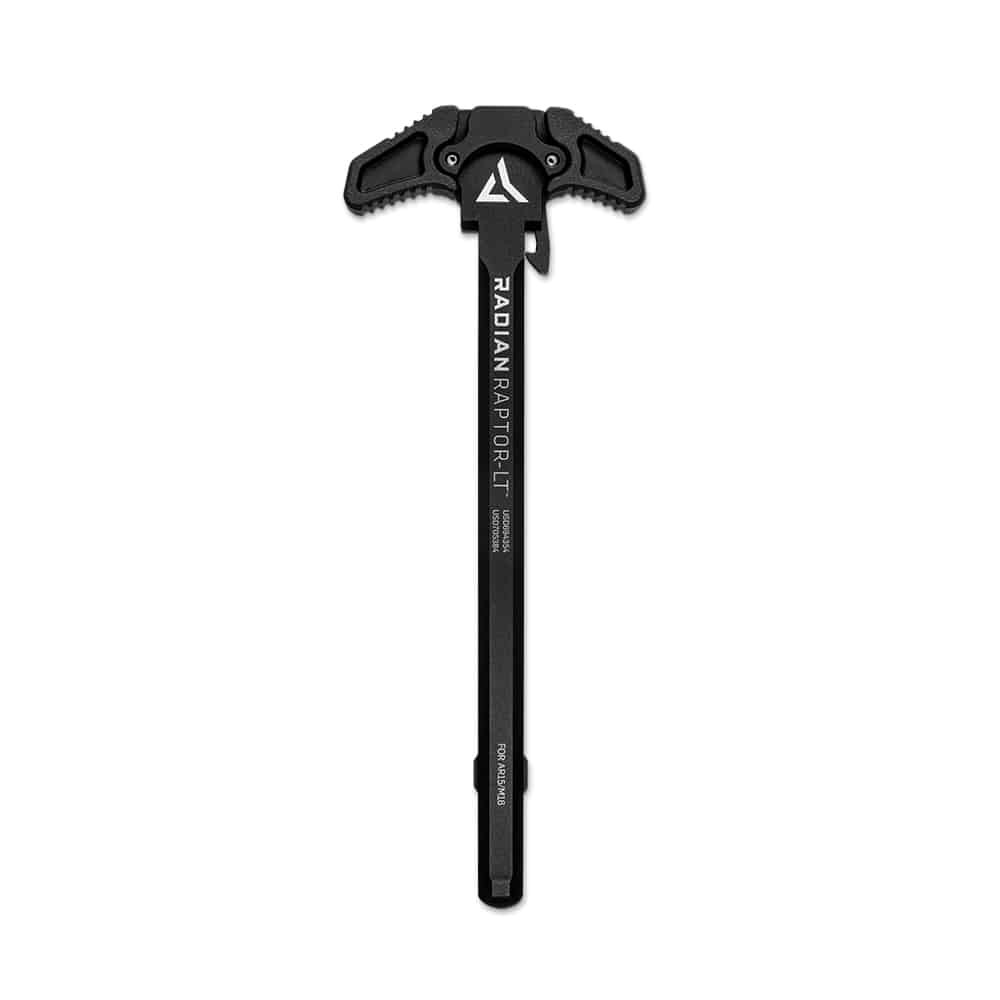
Your responsibility doesn’t end with the permit in your wallet. Licenses and permits expire, typically every 4-5 years. Mark your calendar for renewal, which often requires a refresher course. Any change of address must usually be reported to the issuing authority within a set timeframe, often 30 days. Furthermore, understand the laws of reciprocity if you travel. Your home state’s concealed carry permit may not be valid in a neighboring state. Violating these terms can result in felony charges and permanent loss of your rights. It’s also wise to keep your training current beyond the minimum; practical courses on defensive handgun use or precision rifle are invaluable. Quality gear, like a Radian Raptor LT charging handle, enhances function, but knowing the law protects your freedom.
Where to Start: Your Action Plan
Begin at your state police or attorney general’s official website. Download the application packet for a firearm permit or concealed carry license. Simultaneously, research state-certified instructors and book your required training course. While you complete the paperwork and training, you can research your first firearm. For a versatile first rifle, browse our rifles collection. For a dedicated carry piece, our handguns collection has vetted options. Once your permit is approved, you’ll receive a physical card. Then, you can place an order at Highbridgearmory, have it shipped to your local FFL, and present your permit and ID to complete the transfer. The process demands patience and attention to detail, but it’s the necessary foundation for responsible ownership.
Frequently Asked Questions
How to firearm license?
In the U.S., there is no universal federal firearm license for standard rifles and handguns. You must follow your state’s laws. Typically, this involves applying through your county sheriff’s office or state police, completing a certified safety training course, passing a background check, and paying a fee. The process varies drastically between “shall-issue” and “may-issue” states.
How to gun license in India?
In India, firearm ownership is highly restricted under the Arms Act of 1959. You must apply for a license through your local district magistrate or licensing authority, proving a “genuine reason” such as self-defense against a proven threat, sport shooting, or crop protection. The process is lengthy, involves police verification, and licenses are rarely issued for self-defense to civilians. Most licenses are granted for smooth-bore shotguns, not rifles or handguns.
How to pistol license?
A pistol license usually refers to a state-issued permit to purchase or carry a handgun. In restrictive states, you need a permit just to buy a pistol. More commonly, it’s a Concealed Carry Weapon (CCW) permit. This requires a state-specific application, fingerprints, a safety training course with live-fire qualification, a background check, and a fee. Once issued, you can legally purchase and carry a concealed pistol within the bounds of state law.
Browse our firearms collection
Last updated: April 05, 2026