Firearms Possession Sentencing Guidelines
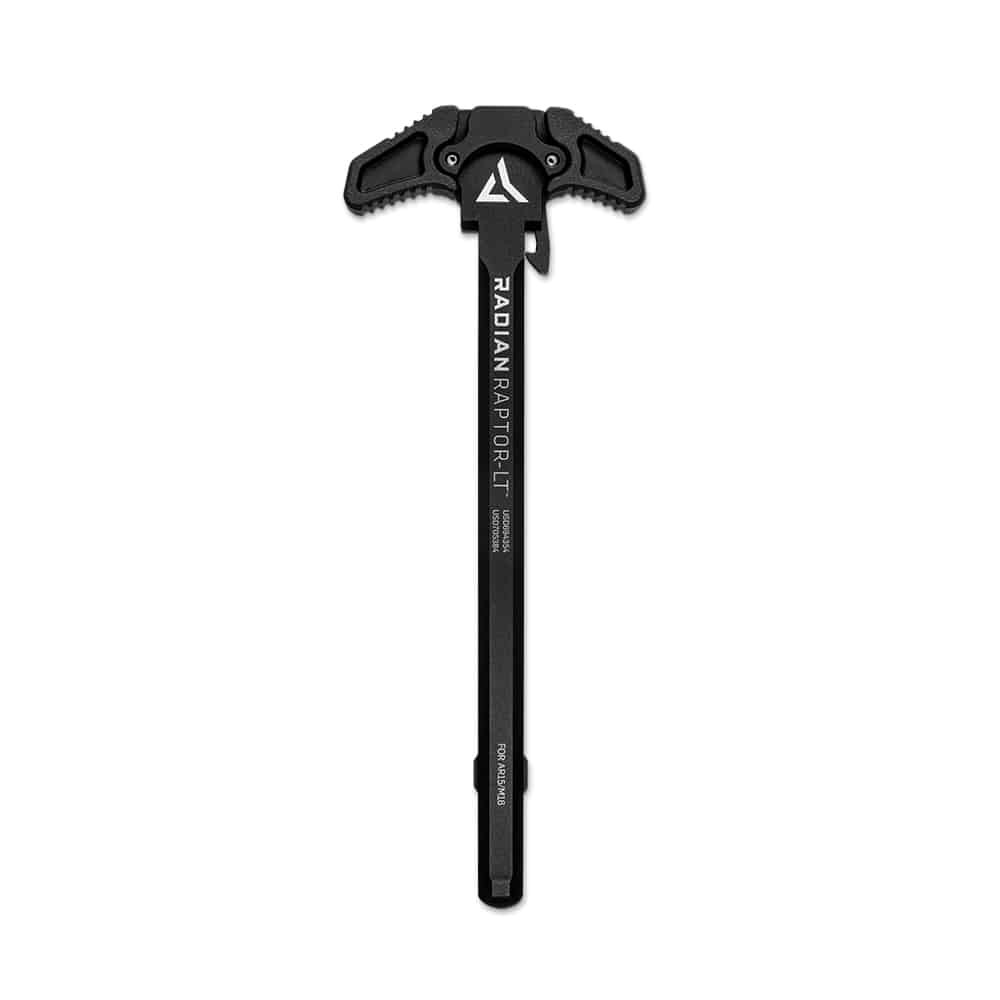
A first-time offender in a federal court for simple possession of a firearm by a prohibited person under 18 U.S.C. § 922(g) is looking at a guideline sentencing range of roughly 30 to 37 months, assuming no criminal history. That’s before mandatory minimums for aggravating factors kick in. This isn’t theoretical; it’s the reality calculated from the U.S. Sentencing Commission’s Chapter Two guidelines, specifically §2K2.1. Understanding these numbers is as critical as knowing the function of a Radian Raptor LT charging handle on your rifle.
The Federal Sentencing Table: Your Base Offense Level
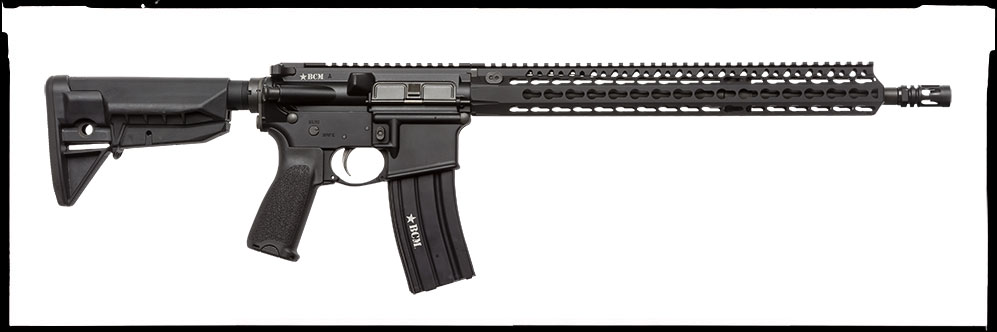
The heart of federal sentencing is the Base Offense Level (BOL) found in §2K2.1. For unlawful possession, the BOL starts at 14. However, it jumps to 20 if the firearm was involved in another felony offense, and skyrockets to 26 if it’s a machine gun, a destructive device, or a firearm with an obliterated serial number. This is where specific knowledge matters. The law doesn’t see a BCM RECCE-16 the same as a modified Glock with an auto-sear from our Glock Switches collection; the latter triggers that severe enhancement. From the BOL, points are added for criminal history, number of firearms, and other specifics, directly impacting the final sentencing range on the 43-level table.
Mandatory Minimums and Aggravating Factors
Guidelines are one thing; mandatory minimum sentences are a hard stop. Under the Armed Career Criminal Act (ACCA), 18 U.S.C. § 924(e), a person with three prior violent felony or serious drug offense convictions faces a 15-year mandatory minimum. “Crime of violence” definitions are constantly litigated, but they often include burglary, robbery, and aggravated assault. Furthermore, possession “in furtherance of” a drug trafficking crime under §924(c) carries a consecutive 5-year minimum, which stacks on top of any other sentence. This is why legal possession is paramount. A firearm from Highbridgearmory must be owned in full compliance with state and federal law to avoid these devastating penalties.
State-Level Variations: A Patchwork of Penalties
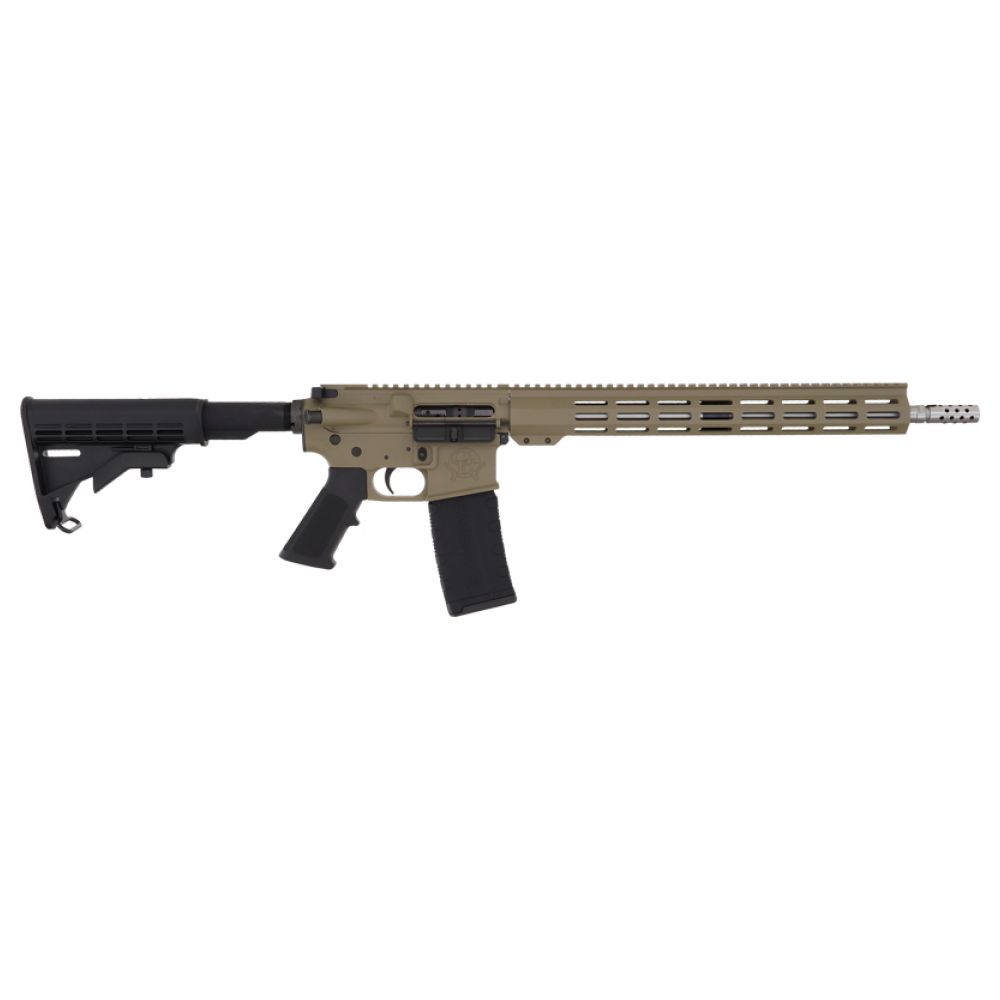
While federal law sets a floor, state penalties vary wildly. In Texas, unlawful carry of a handgun is generally a Class A misdemeanor, punishable by up to a year in jail. In California, a felon in possession of a firearm (PC 29800) is a felony with 16 months, 2, or 3 years in state prison. New York’s criminal possession of a weapon in the second degree (PL 265.03) is a Class C violent felony with a mandatory minimum of 3.5 years. You must know your local statutes. The SOLGW M4-EXO2 lower you can legally build in one state could be the basis for a felony charge in another if not properly permitted.
Mitigating Factors and Defense Strategies
A skilled attorney will fight to lower the guideline calculation and avoid mandatory minimums. Key mitigations include demonstrating the firearm was not used, was inoperable, or was possessed solely for lawful purposes like collection. “Acceptance of responsibility” can reduce the offense level by 2-3 points. Challenging the validity of prior convictions used for ACCA enhancement is common. The best defense, however, is proactive compliance. Ensuring your rifle or pistol is legally acquired and you are not a prohibited person is the only sure way to stay clear of the system. Stores like Highbridgearmory facilitate legal transfers to responsible owners.
FAQ: Firearms Possession Sentencing
How much jail time for possession of a firearm?
For a federal first-offense felony possession by a prohibited person, expect 2-3 years under standard guidelines. With three prior violent felonies, the Armed Career Criminal Act mandates a 15-year minimum. State sentences vary from less than a year for misdemeanors to over a decade for aggravated felonies.
Browse our firearms collection
Last updated: April 05, 2026