Firearms Guide: From Basics to Builds
Choosing your first firearm, or your tenth, isn’t about finding the “best” gun. It’s about matching a specific tool to a specific job, whether that’s home defense, competition, or building a custom AR-15 from the ground up. A 9mm pistol and a .308 rifle serve entirely different purposes, and understanding those differences is the first step to making an informed purchase.
Understanding Action Types: Semi-Auto, Bolt, and Revolver
The action is the heart of a firearm’s operation. For modern defensive and sporting use, semi-automatic actions dominate. A pistol like the SIG Sauer P365 FUSE Comp uses gas or recoil operation to cycle a new round after each trigger pull, offering high capacity and fast follow-up shots. Bolt-action rifles, like many precision .308 platforms, require manual cycling but offer superior inherent accuracy for long-range shooting. Revolvers, such as classic .357 Magnum models, use a rotating cylinder and are renowned for their mechanical simplicity and reliability. Your intended use dictates the action: semi-auto for dynamic situations, bolt-action for precision, and revolvers for simplicity or specific caliber needs.
Caliber Selection: Balancing Power, Recoil, and Purpose
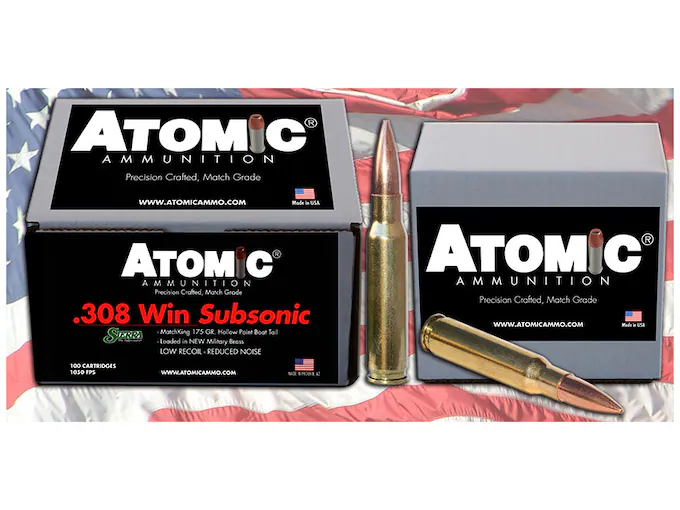
Caliber choice is a critical trade-off. For a primary defensive handgun, 9mm Luger is the standard for good reason: it offers excellent ballistic performance, manageable recoil, high capacity, and widespread availability. The KelTec KP50 chambered in 5.7x28mm represents a modern alternative with low recoil and high velocity. For rifles, the .223 Remington/5.56 NATO is the ubiquitous choice for the AR-15 platform, effective for varmints, training, and defensive use. Stepping up to .308 Winchester/7.62 NATO provides significantly more energy for hunting medium to large game. Don’t just pick the biggest caliber; consider ammo cost, recoil management, and what you realistically need the firearm to do.
The AR-15 Platform: A Builder’s Primer
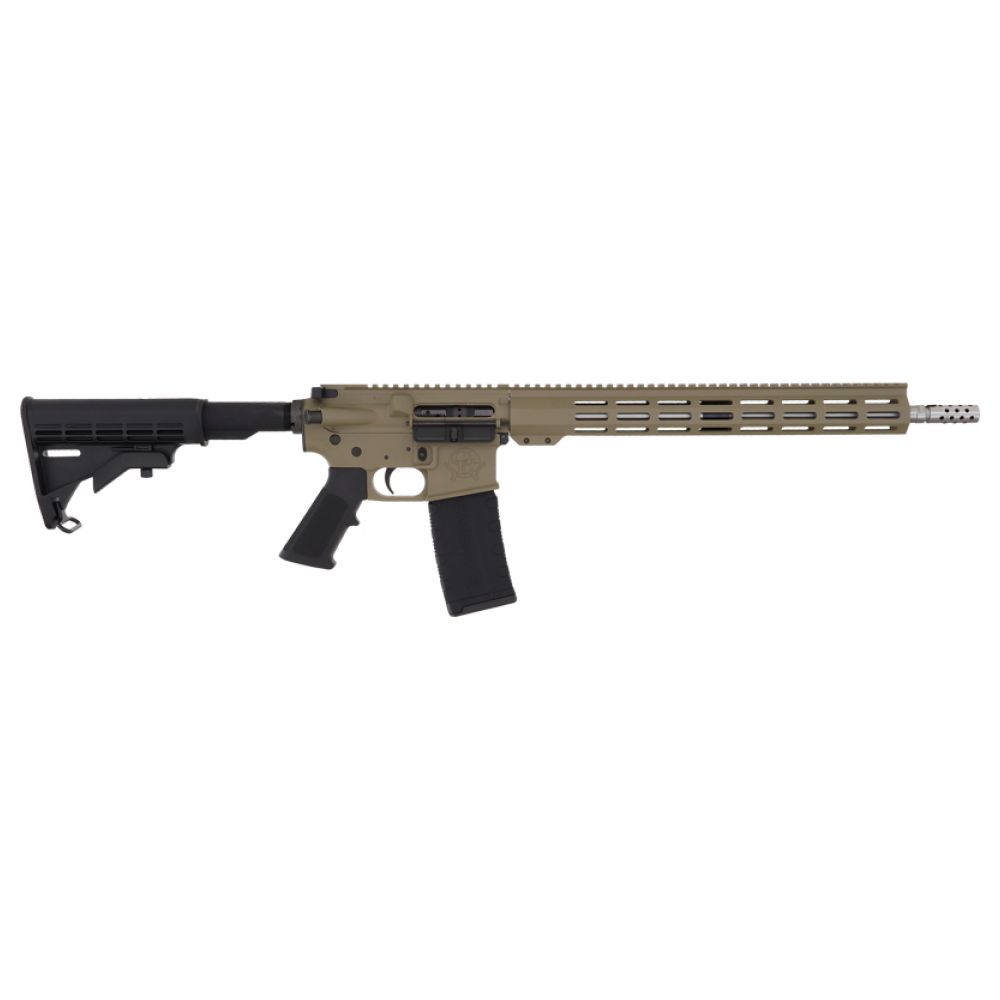
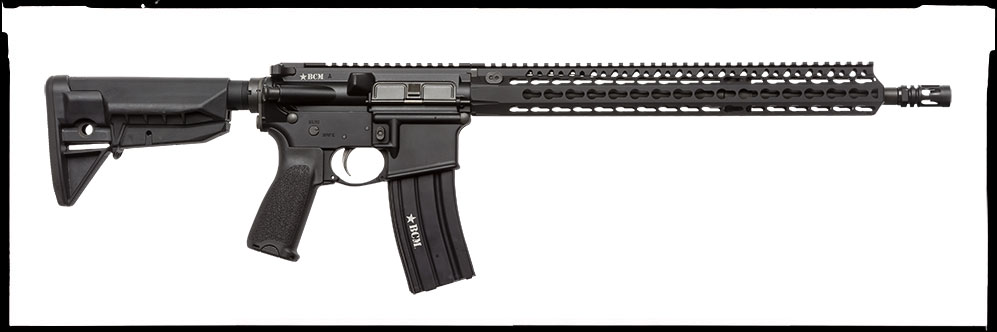
The AR-15’s modularity is its greatest strength. You can start with a complete rifle like the Bravo Company MFG RECCE-16 KMR-A, or build your own from components. The process breaks down into two main assemblies: the upper and lower receivers. The lower receiver, which houses the fire control group (trigger, hammer, disconnector) and is the serialized part, can be purchased complete, like the Sons of Liberty Gun Works M4-EXO2 Complete Lower. The upper receiver contains the barrel, bolt carrier group, and handguard. Compatibility is generally excellent, but you must ensure your barrel’s gas system length matches your handguard and that your bolt carrier group is properly headspaced. Highbridgearmory stocks all the critical components, from triggers to charging handles.
Essential Upgrades: Optics, Lights, and Ergonomics
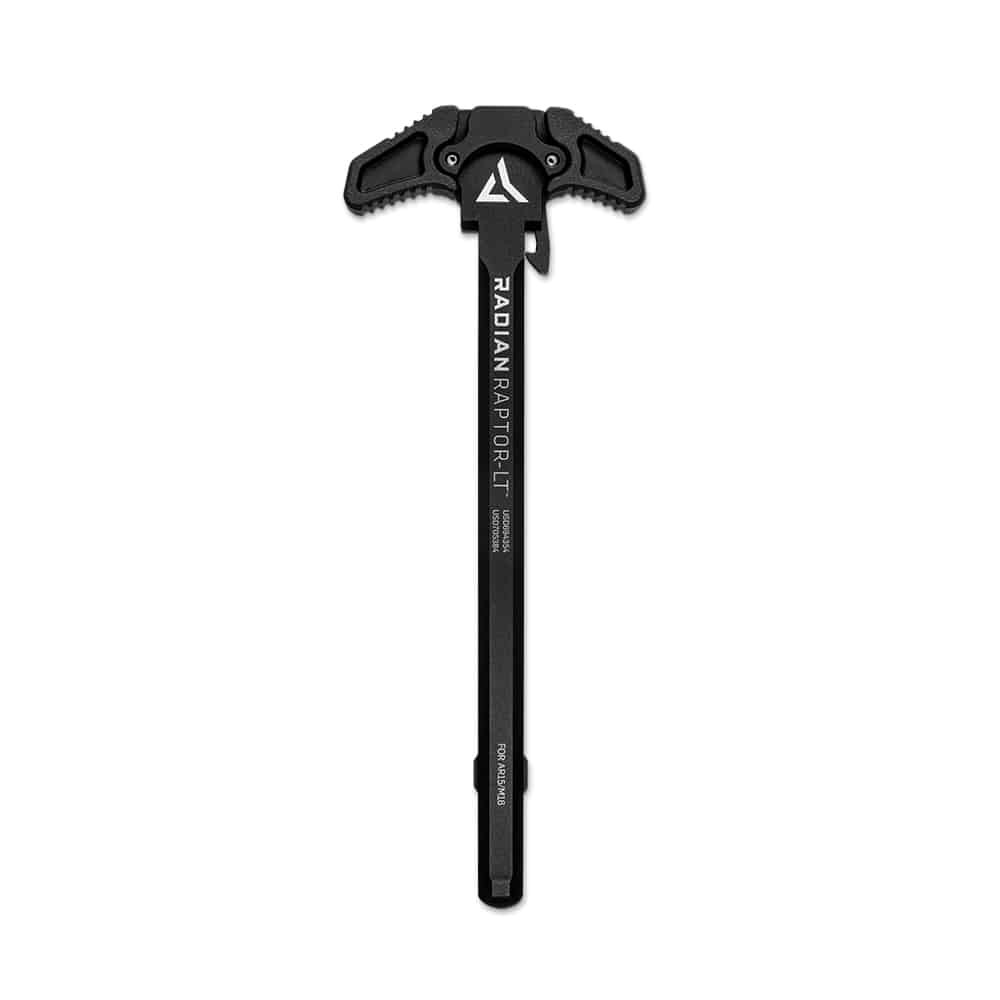
Once you have a reliable firearm, intelligent upgrades enhance its capability. The first should be a quality white light for positive target identification in low-light conditions—a non-negotiable for home defense. Next, consider your sighting system. For close-quarters on a rifle, a red dot sight offers rapid target acquisition. For a handgun, upgrading to night sights or a milled slide for a micro red dot are game-changers. Ergonomics are also crucial. An ambidextrous safety selector or a Radian Raptor LT charging handle can make manipulation faster and more intuitive. Remember, accessories must serve a function. Prioritize a light, then a sight, then a sling for a long gun, before adding other gear.
Maintenance and Safe Handling Fundamentals
Firearms are mechanical devices that require maintenance. A basic cleaning kit with rods, brushes, patches, and a quality solvent and lubricant is mandatory. After a range session, field strip your firearm according to its manual, clean carbon and fouling from the barrel and action, and apply a light coat of lubricant to moving parts. Safe handling is paramount: always treat every firearm as if it is loaded, never point the muzzle at anything you are not willing to destroy, keep your finger off the trigger until your sights are on target, and be sure of your target and what is beyond it. This discipline applies whether you’re handling a compact pistol or a custom-built rifle from Highbridgearmory.
What is the difference between .223 Remington and 5.56 NATO?
While the cartridges are visually similar, 5.56 NATO chambers have a longer leade (freebore) and operate at higher pressures (approx. 58,000 psi vs. 55,000 psi for .223). A rifle chambered in 5.56 NATO can safely fire .223 Remington ammunition, but a .223 Remington-chambered rifle should not fire 5.56 NATO due to potential over-pressure. Always check your barrel’s markings.
What tools do I need to build an AR-15 lower receiver?
At a minimum, you’ll need an armoror’s wrench for the castle nut and buffer tube, a set of roll pin punches and a hammer, and a vise block to secure the lower receiver. A clevis pin can be helpful for installing the trigger guard roll pin. For the upper receiver, a vise, barrel nut wrench, and torque wrench are essential. Highbridgearmory offers complete lower receivers that eliminate the need for most of this assembly.
Is it better to buy a complete firearm or build one?
For your first firearm, buy a complete, quality model from a reputable manufacturer. This ensures reliability and gives you a baseline for performance. Building becomes advantageous when you have specific needs—a particular barrel length, handguard, or trigger—that aren’t met by off-the-shelf models. It’s also an excellent way to deeply understand the platform. We offer both paths at Highbridgearmory.
Browse our firearms collection
Last updated: April 05, 2026